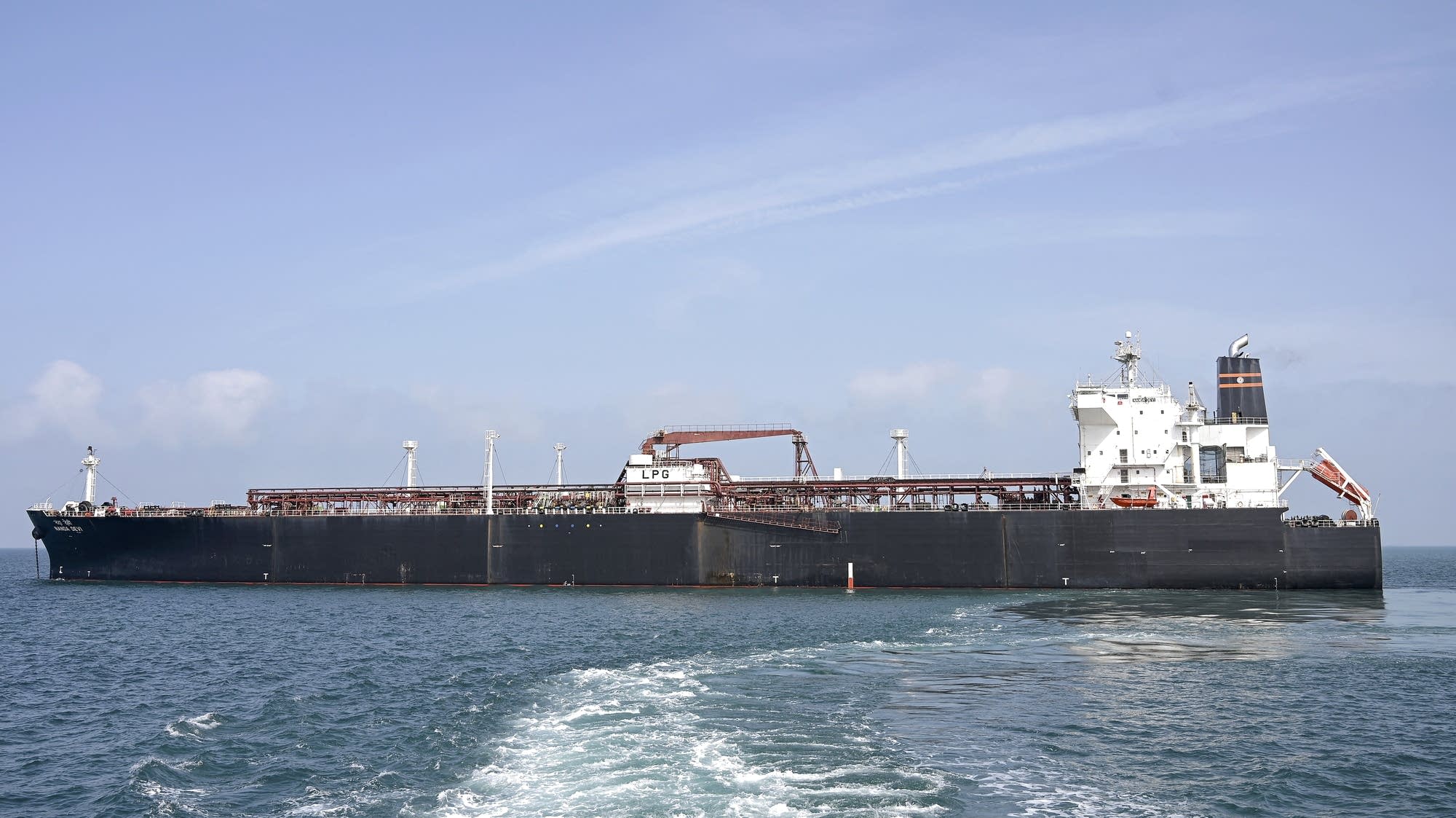
The new war in the Middle East has driven oil and gas prices higher and is beginning to squeeze consumer discretionary spending; about 25% of farmers had not yet purchased fertilizer for the season, highlighting immediate agricultural risk. Discretionary sectors—restaurants, arts/entertainment and travel—are most exposed and likely to see quick layoffs if spending retrenches, while Strait of Hormuz disruptions and helium shortages threaten supply chains for agriculture, medical supplies and semiconductors. Combined with existing inflation, high rates and tariffs, a prolonged conflict raises the risk of multi-sector job losses and potential broader market disruption.
This shock is asymmetric: upstream energy producers and specialty commodity suppliers (helium, fertilizer) will see margin tailwinds within 1-3 months if shipping disruptions or risk premia persist, while consumer-facing discretionary sectors are the first to show employment and demand deterioration. Expect a cascade effect — fertilizer and helium shortages compress agricultural output and semiconductor production respectively, amplifying inflation in food and durable goods over 3–9 months even if headline oil normalizes sooner.
Competitive dynamics favor firms with vertically integrated supply or pricing power: midstream and E&P firms that can ramp volumes or hedge realize near-term cashflow gains, while pure-play leisure and small-cap retail chains with low liquidity face rapid tightening and higher default risk. Additionally, capex reallocation toward domestic energy and defense procurement is a multi-quarter theme that will shift fixed-income spreads for high-yield issuers in those industries.
Key catalysts to watch are Brent oil breaching $95/bbl for more than 30 days, a major shipping incident in the Strait of Hormuz, and announced fertilizer supply curtailments covering >20% of regional demand — any of which could create step-function moves; conversely a credible ceasefire, coordinated SPR release, or a swift ramp in US shale supply can reverse price-driven stresses within 60–120 days. Tail risk is geopolitical escalation that triggers broad trade embargoes — that outcome favors long-duration defense exposure but risks deep global demand destruction and a sharp recessionary impulse.
AI-powered research, real-time alerts, and portfolio analytics for institutional investors.
Request DemoOverall Sentiment
mildly negative
Sentiment Score
-0.35
