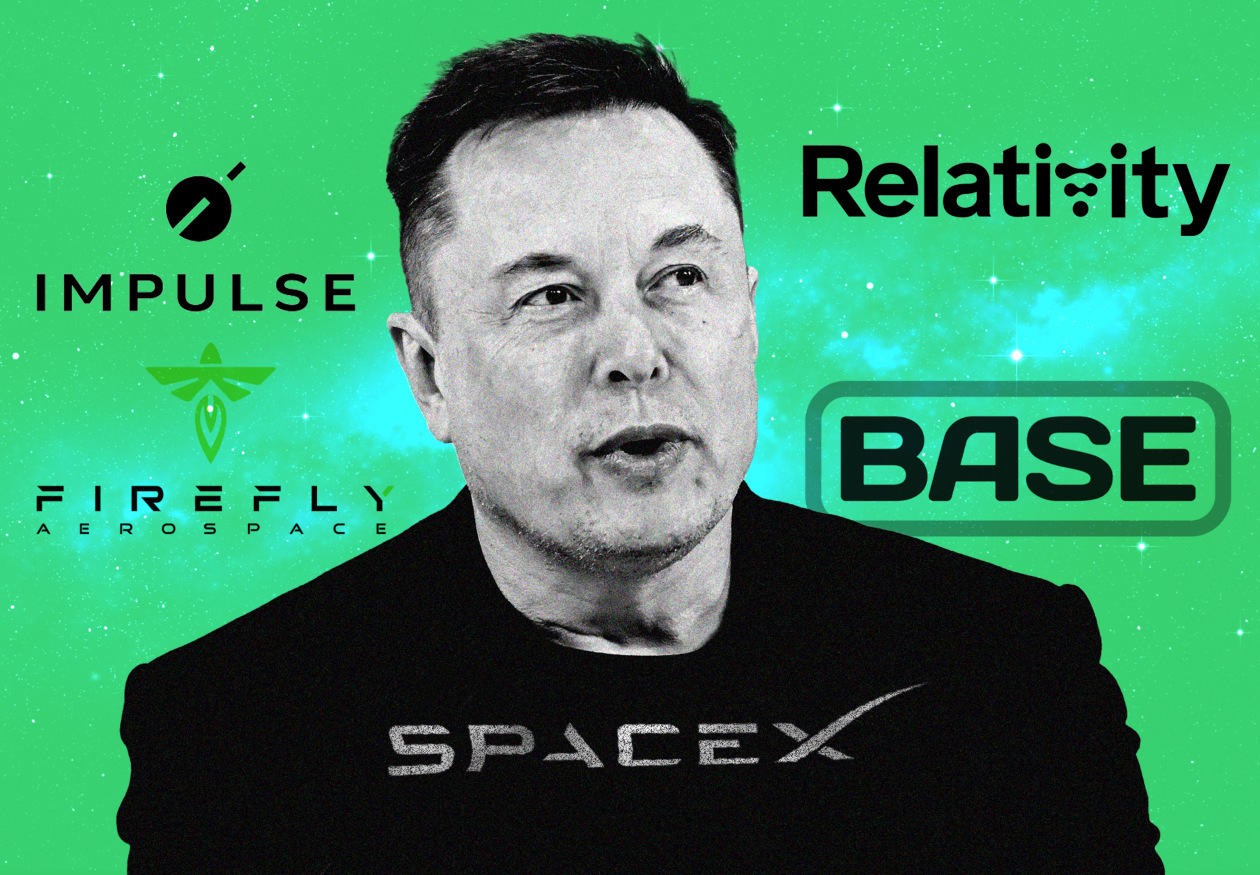
SpaceX’s upcoming IPO could create a major wealth event for thousands of employees and investors, potentially unleashing a wave of new startups led by SpaceX alumni. The article frames SpaceX as unusually mature for a private company, founded in 2002, and highlights its deep talent network and access to cash as key catalysts. The expected impact is meaningful for venture formation and private markets, though the piece is more thematic than price-sensitive.
The first-order winner is not just the IPO itself, but the downstream capital formation wave around it. A large public monetization event in a tightly knit engineering network tends to create a self-reinforcing startup cluster: liquidity converts paper wealth into seed checks, angel syndicates, and founder spinouts, which increases the density of high-quality venture opportunities around adjacent infrastructure layers. That usually shifts value capture away from incumbent labor markets and toward companies selling “picks and shovels” to early-stage aerospace, defense, robotics, and deep-tech founders.
The more interesting second-order effect is labor reallocation. Once employees can diversify a meaningful chunk of wealth, retention at the parent can weaken even if morale improves; historically that produces a 12-24 month lagged rise in departures into competitors and startups. In a capital-intensive sector, that matters because execution risk is concentrated in a small number of systems engineers and program managers, so even a modest increase in churn can lengthen development timelines for rivals while improving the quality of new entrants.
The key risk is that the IPO becomes a valuation gravity well rather than a launchpad. If the market prices the company as a scarcity asset, the resulting lockup/wealth effect may be front-loaded, while actual new-company formation takes 6-18 months to show up in revenue. Another tail risk is that public-market scrutiny forces tighter disclosure and compensation constraints, reducing the halo effect that fuels the “network” dynamic. If the IPO window closes or secondary liquidity is muted, the expected startup boom can disappoint quickly.
Consensus is likely overestimating how much of this translates into immediate competitive pressure on aerospace primes and underestimating the benefit to venture intermediaries and service providers. The real tradable theme is not “more SpaceX clones,” but a richer pipeline of private, venture-backed suppliers and defense-tech adjacencies financed by newly liquid insiders. That suggests the best risk/reward is in businesses that monetize early-stage formation rather than trying to short incumbents on the assumption of instant disruption.
AI-powered research, real-time alerts, and portfolio analytics for institutional investors.
Request DemoOverall Sentiment
moderately positive
Sentiment Score
0.45
