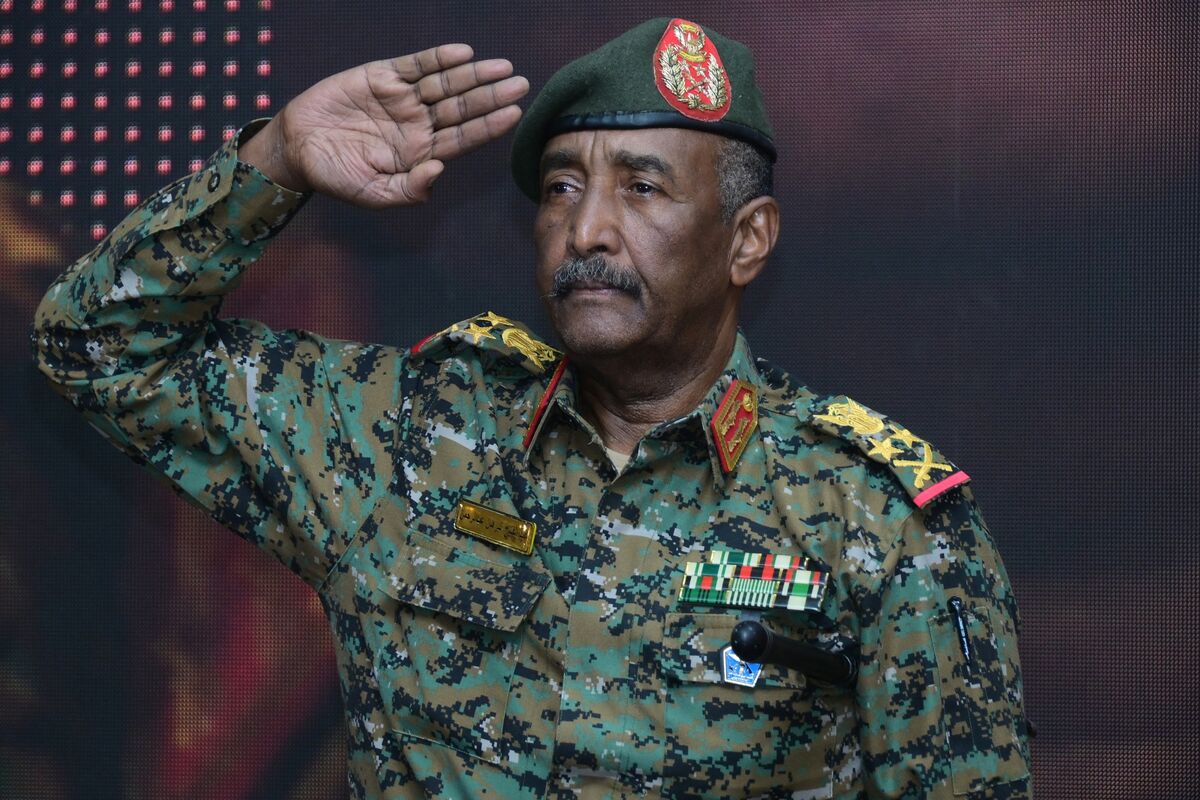
Sudan's army has rejected a US-backed ceasefire proposal, signaling an intent to escalate conflict against the paramilitary Rapid Support Forces (RSF) who recently captured El-Fasher, the army's last stronghold in western Darfur. This decision, made after an emergency defense council meeting chaired by army chief Abdel Fattah al-Burhan, indicates a likely continuation of hostilities and heightened geopolitical instability in the North African nation.
Sudan's army has formally rejected a US-backed ceasefire proposal following an emergency defense council meeting chaired by army chief Abdel Fattah al-Burhan. This decision signals a clear intent to escalate hostilities against the paramilitary Rapid Support Forces (RSF), rather than pursue a diplomatic resolution. The rejection implies a prolonged and intensified conflict in the North African nation.
The army's stance comes after the RSF recently overran El-Fasher, which was the military's last significant stronghold in the vast western Darfur region. This strategic loss for the army likely influenced their decision to rally public support and fight on, indicating a shift towards a more protracted and potentially brutal campaign. The capture of El-Fasher underscores the RSF's growing territorial control and military momentum.
The "strongly negative" sentiment (-0.8) and "pessimistic" tone associated with this development highlight significant geopolitical instability. While no direct corporate tickers are identified, the "market impact score" of 0.5 suggests a notable, albeit indirect, impact on regional markets, commodity prices (especially oil given the region), and investor risk appetite for frontier markets. This continued conflict poses elevated risks for humanitarian crises and regional security.
AI-powered research, real-time alerts, and portfolio analytics for institutional investors.
Request DemoOverall Sentiment
strongly negative
Sentiment Score
-0.80
