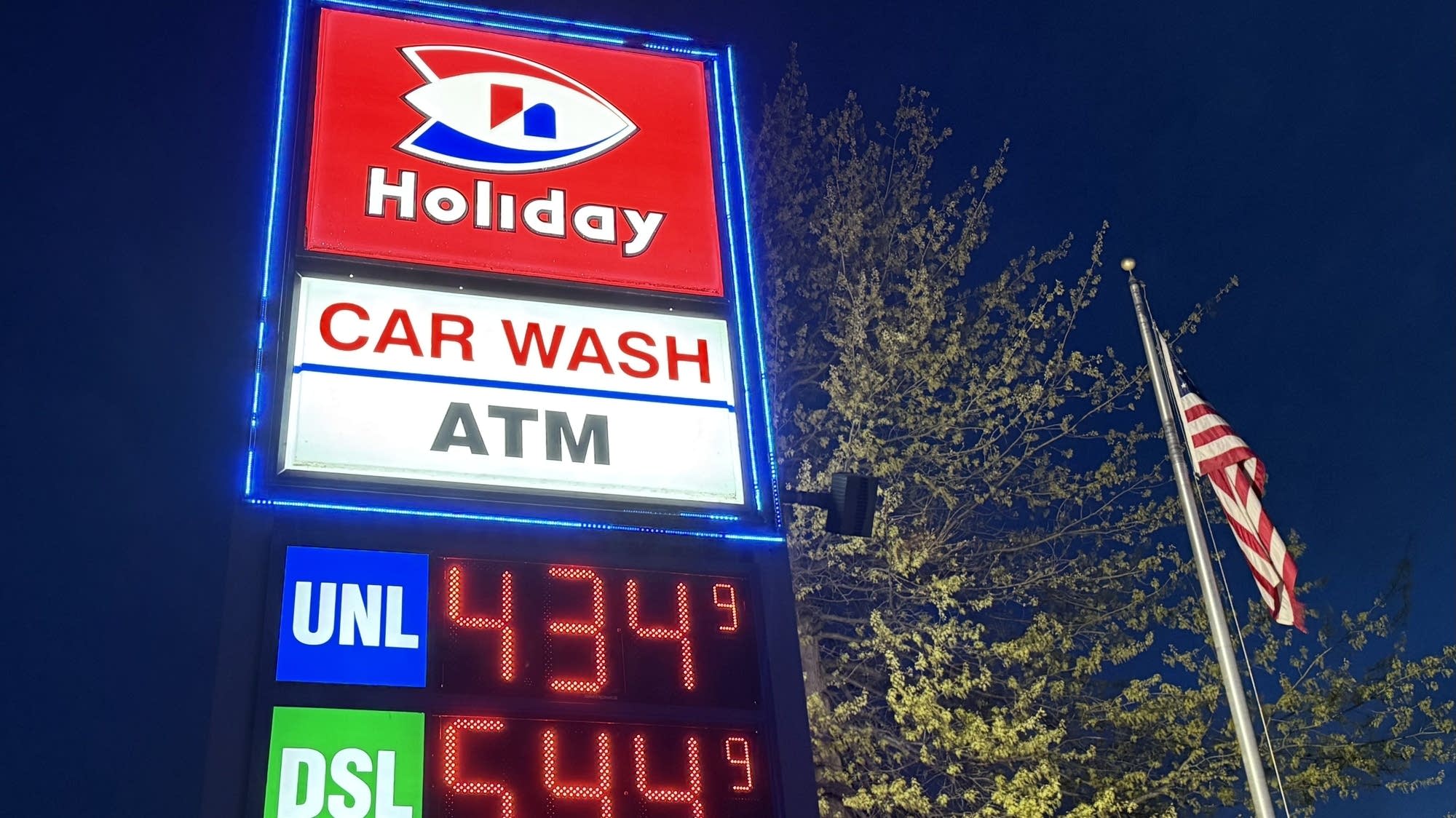
Minnesota rideshare drivers are struggling as high gas prices compress their take-home earnings. The piece highlights cost pressure on transportation workers rather than a company-specific event, pointing to ongoing fuel-driven inflation stress. Market impact is limited, but the story underscores how elevated energy costs can weigh on ride-hailing economics and consumer-facing transport services.
The immediate read-through is not really about rideshare economics; it is about marginal transport supply becoming more fragile at the low end of the labor market. When fuel costs rise faster than fare adjustments, drivers either cut hours or exit entirely, which tightens driver availability and lifts effective surge pricing for consumers before any formal price change shows up in reported inflation. That second-order effect tends to hit the most price-sensitive riders first, then propagates into broader local mobility demand as discretionary trips get deferred. The larger implication is asymmetric pressure on asset-light transportation platforms and on suburban/low-income consumer demand. Unlike airlines or trucking, rideshare operators have limited near-term ability to pass through fuel inflation when labor is fragmented and supply is elastic, so the margin squeeze often surfaces as lower trip density rather than lower take rates. Over a 1-3 month horizon, the key risk is a feedback loop: fewer drivers means longer ETAs, which reduces utilization, which further discourages supply. The contrarian view is that this may be a temporary pain point rather than a structural demand break if gas stabilizes or if platforms respond with localized bonuses and fuel-related incentives. But the market often underestimates the lagged effect on consumer behavior: once a commute or errand becomes meaningfully more expensive and less reliable, some of that demand does not return quickly even if fuel retreats. That makes the near-term setup more about a squeeze in service quality and unit economics than a clean inflation pass-through story. From a portfolio perspective, this is a small but useful signal for transportation-inflation-sensitive names and for anything relying on consumer trip frequency. It argues for watching city-level utilization data, driver incentives, and app-level ETAs over the next few weeks rather than waiting for headline CPI to confirm the trend. The tradeable edge is not the article itself; it is the probability that platform economics deteriorate before consensus models register it.
AI-powered research, real-time alerts, and portfolio analytics for institutional investors.
Request DemoOverall Sentiment
moderately negative
Sentiment Score
-0.35
