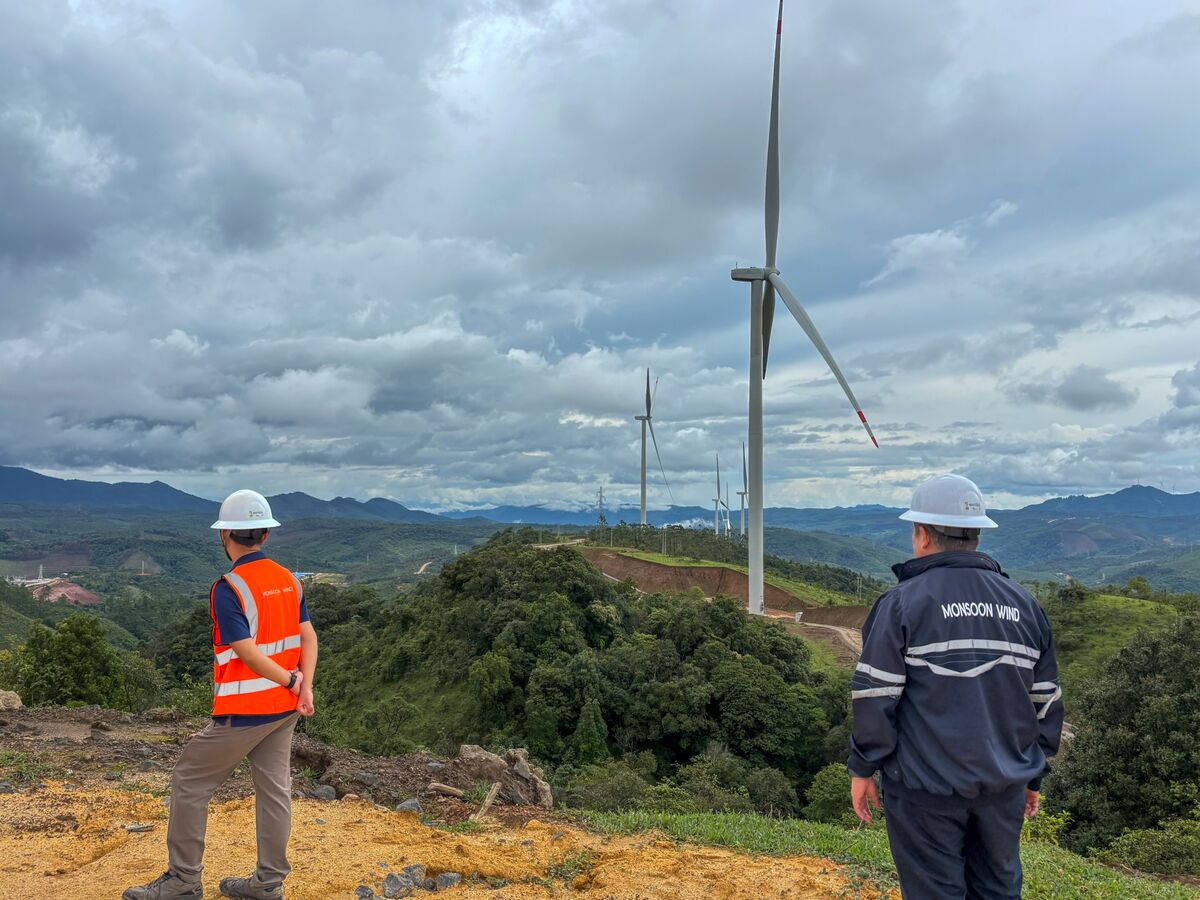
Southeast Asian nations are pursuing the development of a regional 'supergrid' to facilitate a clean energy transition, but the initiative faces substantial hurdles. These challenges, likely encompassing financial, regulatory, and technical complexities inherent in cross-border infrastructure, threaten to impede the ambitious project crucial for the region's decarbonization efforts and long-term energy security.
Southeast Asia's ambition to develop a regional 'supergrid' to advance its clean energy transition is confronting significant execution risk. The project, which is fundamental to the region's long-term decarbonization strategy and energy security, faces substantial financial, regulatory, and technical hurdles. The cross-border nature of this infrastructure initiative inherently complicates its development, creating a cautious outlook. While the supergrid represents a major potential catalyst for renewable energy and ESG-focused investment in these emerging markets, the highlighted challenges cast doubt on the timeline and viability of its implementation, suggesting a more protracted and complex path to achieving regional energy goals than previously anticipated.
AI-powered research, real-time alerts, and portfolio analytics for institutional investors.
Request DemoOverall Sentiment
mildly negative
Sentiment Score
-0.30
