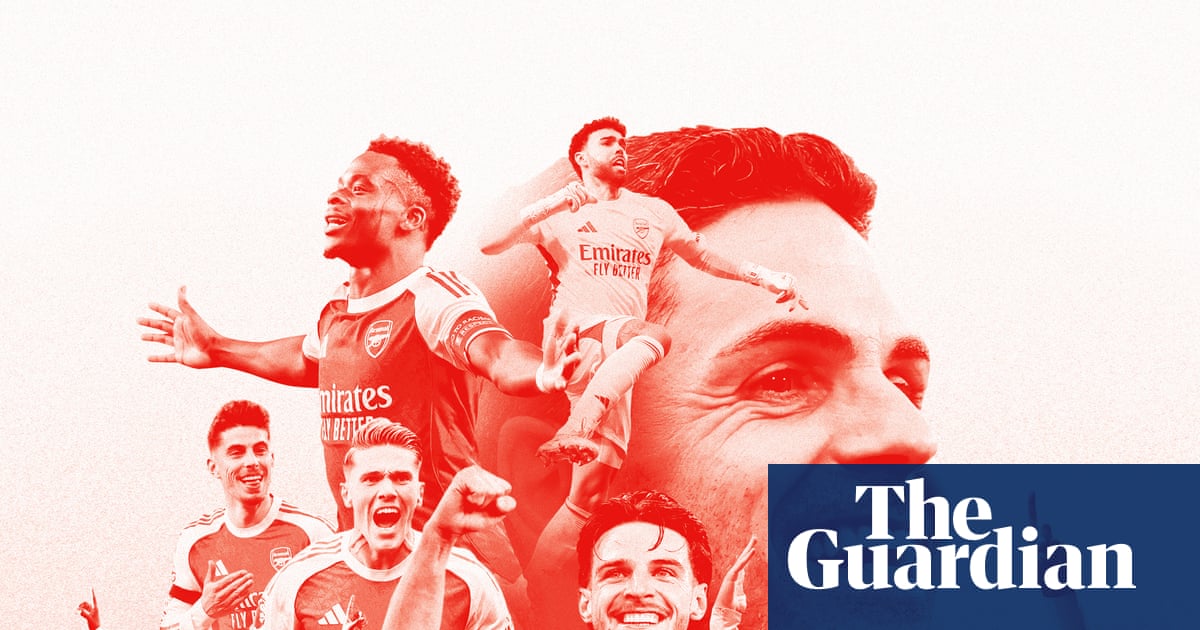
Arsenal have won the Premier League title after an 984-day wait at the top of the table without being champions, ending three straight runner-up finishes. The club’s success has been driven by Mikel Arteta’s rebuild, a £250m summer outlay including Eberechi Eze for £67.5m and Viktor Gyökeres for £64m, plus record set-piece output of 19 goals from corners. Arteta is also expected to sign a lucrative contract extension, reinforcing continuity under the Kroenke ownership.
The most relevant market angle is not the sporting outcome itself but the validation of a governance model: patient capital, manager control, and heavy reinvestment can compound into a premium brand outcome. That tends to support valuation multiples for clubs/sports platforms where execution risk had been discounted, because the market is likely to extrapolate improved monetization across tickets, sponsorship, media, and global merchandising once winning becomes durable rather than episodic. For Manchester United, the article is an indirect negative. Arsenal’s success highlights the cost of churn, fragmented football decision-making, and slow squad construction; that reinforces the bear case that turnaround value at MANU remains hostage to governance and sporting underperformance rather than just commercial scale. If the market starts rewarding clubs that combine elite recruitment with stable direction, MANU’s relative multiple can compress even if top-line revenues hold up. The second-order effect is on labor and transfer-market pricing: a successful, well-run challenger tends to raise the going rate for players, data staff, and sporting directors. That should modestly pressure margins for clubs trying to buy their way into contention, while increasing the scarcity value of proven operators and academy pipelines. The contrarian point is that the title win may actually be near-peak sentiment for Arsenal in the short run: if European performance disappoints or the wage bill rises faster than revenue synergies, the narrative can flip from ‘model club’ to ‘overextended contender’ within 6-12 months.
AI-powered research, real-time alerts, and portfolio analytics for institutional investors.
Overall Sentiment
strongly positive
Sentiment Score
0.72
Ticker Sentiment
