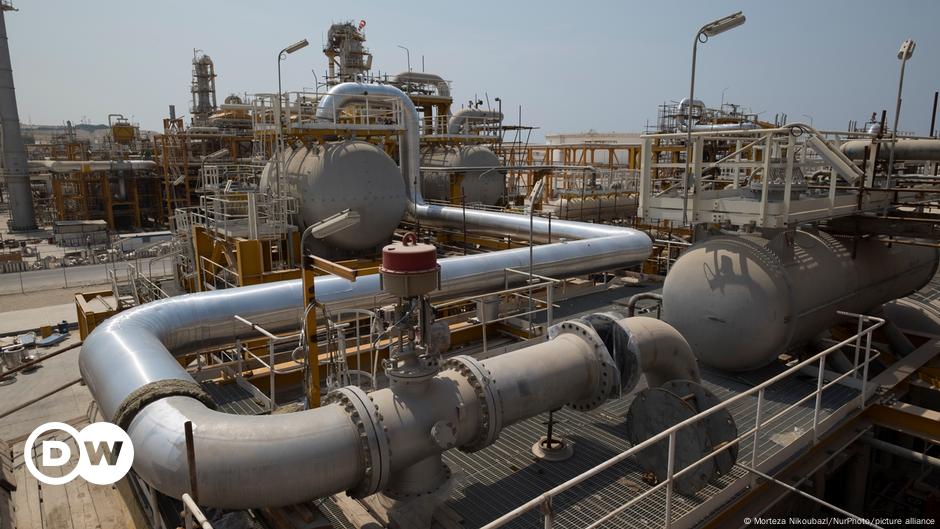
A reported 45-day ceasefire proposal was presented to both the US and Iran but Tehran rejected it, seeking a permanent end to the conflict. Israeli strikes hit major Iranian energy infrastructure — including the South Pars/Asaluyeh petrochemical plant described as responsible for ~50% of petrochemical production and two facilities said to account for roughly 85% of petrochemical exports — and IAEA imagery shows strikes as close as 75 meters to the Bushehr nuclear plant. The strikes (part of a wave that reportedly killed 25 people, including IRGC intelligence chief Majid Khademi) and continued closure/threats to the Strait of Hormuz are already prompting importers (e.g., South Korea) to seek alternative oil supplies and will likely drive oil/gas price volatility, shipping risk premia, and broad risk-off flows across markets.
The immediate market transmission is not just a crude price shock but a re-routing and capacity shock across energy and petrochemical supply chains. Damage to Gulf processing hubs and sustained closure risk for the Strait forces incremental barrels and molecules onto longer, higher-cost shipping routes — expect a 7–14 day incremental voyage time for Gulf-to-Asia flows, which mechanically raises TD3/TC rates and underpins spot tanker premiums for at least 4–12 weeks while owners reallocate tonnage.
Second-order winners are asset owners that capture transportation spreads and replacement production: mid/large tanker owners, LNG traders able to redirect cargoes, and western defense contractors that get multi-year procurement tailwinds as governments re-stock. Losers include Gulf-reliant refiners and petrochemical converters in Asia and Europe exposed to tight feedstock windows and higher bunker costs; expect pushback in the form of demand-shedding or product substitution within 2–6 months if margins compress.
Tail risks are binary and fast: a negotiated reopening within 2–6 weeks would collapse shipping premia and spike negative gamma for energy longs; escalation beyond targeted infrastructure — including attacks near radiological sites or deliberate blockade — pushes markets into a months-long premium regime and forces structural LNG re-contracting. Key catalysts to watch in days-to-weeks are mediator movement (Pak/Tur/Egypt), insurance premium notices from Lloyd’s/reinsurers, and two datapoints: VLCC spot rates and 30-day implied volatility on Brent for evidence of risk repricing.
AI-powered research, real-time alerts, and portfolio analytics for institutional investors.
Request DemoOverall Sentiment
strongly negative
Sentiment Score
-0.75
