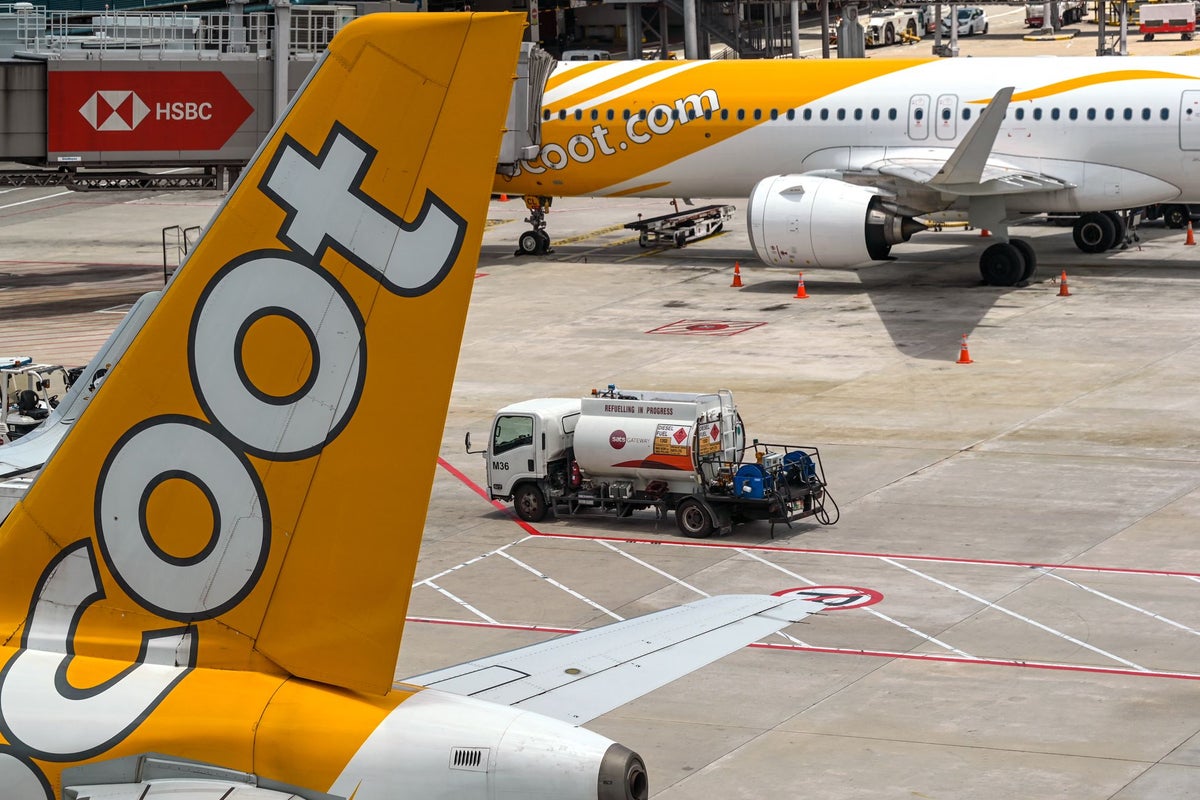
Singapore’s Civil Aviation Authority will limit passengers to a maximum of two power banks each and ban charging or use on board, effective 15 April 2026, aligning with ICAO guidance issued 2 April. The rule also restates existing prohibitions (no power banks in checked baggage), capacity limits and requirements for individual protection to prevent short circuits; airlines will inform passengers and staff will be trained. Operationally this is a compliance and passenger-experience issue for carriers and airports with limited financial impact but potential minor costs for communication, training and enforcement.
This rule change is a small-scope regulatory nudge with outsized operational consequences: airports and carriers will face immediate screening friction (more manual interventions, disposal logistics) that raises per-passenger processing cost and creates a new micro-market for disposal/rental/charging services. Expect most of the near-term P&L impact to sit with airport concessionaires and security contractors rather than large consumer-technology OEMs — airports can monetize compliance (paid lockers, rental chargers, premium check-in lanes) while security teams incur headcount and training costs over the next 0–3 months.
Over 3–12 months the second-order demand effect matters: impulse purchases of cheap power banks at kiosks and duty-free are likely to decline, compressing accessory sales for airport retailers by a modest but measurable amount (think single-digit percent of accessory category revenue). Conversely, vendors of in-terminal charging infrastructure, protective packaging, and battery-disposal services can win recurring revenue; this is a classic category shift from one-off retail sales to service/utility revenue with higher margins and stickier cash flows.
Catalysts to watch are enforcement intensity and airline-level policies. If major long-haul carriers uniformly ban in-flight charging and aggressively confiscate excess units, the retail demand shock crystallizes in 1–3 months; if enforcement is patchy and penalties light, the market will largely adapt via behavioral substitution (rentals, buying at destination) and the impact dissipates. A contrarian angle: market reaction will likely over-index to OEM risk (headline fear for battery makers) while underestimating monetization opportunities for airports and service providers that can capture the repeatable revenue of compliance and charging-as-a-service over the next 12–24 months.
AI-powered research, real-time alerts, and portfolio analytics for institutional investors.
Request DemoOverall Sentiment
neutral
Sentiment Score
0.00
