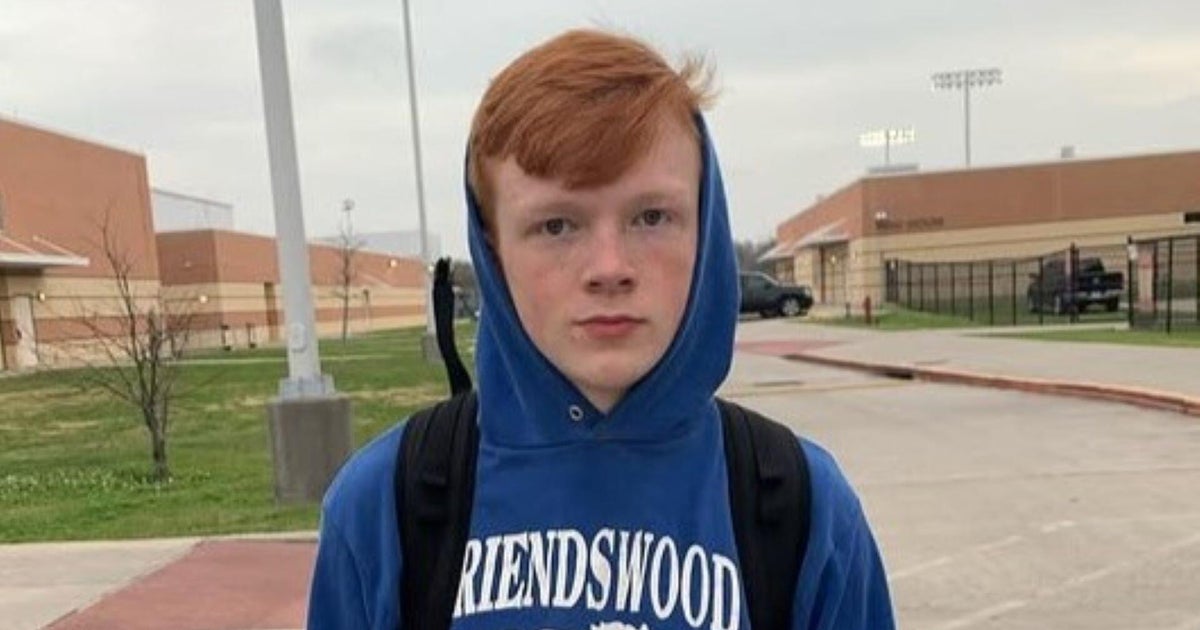
On Dec. 23, 2023, 17-year-old Connor Hilton shot two friends in Friendswood, Texas, killing one and severely injuring another; prosecutors charged him with murder and aggravated assault. Hilton’s defense centered on a claim that isotretinoin (Accutane) induced psychosis, but a court limited the key expert’s testimony to the punishment phase; prosecutors offered a 50‑year plea which Hilton accepted on Sept. 2, 2025, making him eligible for parole in August 2050. The case raises reputational and potential litigation risk for isotretinoin manufacturers and distributors, but presents limited near-term market impact given lack of regulatory action or precedent-setting court rulings disclosed in the reporting.
Market structure: This story primarily raises litigation and regulatory risk for manufacturers/distributors of isotretinoin and small-cap generic producers (higher relative exposure). Large, diversified pharma (eg JNJ, RHHBY) gain relative safe-haven status as investors re-price idiosyncratic risk; expect short-term spikes in implied volatility (+30–70% vs. baseline) in exposed tickers and a modest widening of credit spreads (25–150bps) for smaller specialty pharma issuers.
Risk assessment: Tail risks include an FDA safety review or class‑action aggregation leading to multi‑hundred‑million dollar liabilities for mid/small caps; timeline: market reaction immediate (days), filings & discovery in weeks–months, regulatory/label outcomes in 6–36 months. Hidden dependencies include distributors/wholesalers (JG Pharma analogues) and rep/insurance coverage that can transfer or amplify losses; key catalysts are an FDA statement, MDL formation, or expert testimony admission.
Trade implications: Favor defensive large-cap pharma longs and hedged shorts of smaller generic makers. Tactical option plays (3–6 month) on TEVA/VTRS/SUNP to express asymmetry; use pair trades (long JNJ, short TEVA) to isolate isotretinoin litigation risk. Reduce exposure to specialty dermatology small caps and increase cash/IG pharma bonds by 5–10% of portfolio in near term.
Contrarian angles: The market may over-penalize generic makers if causality is weak — historical precedent (Vioxx) shows large firms survive long litigation cycles and valuations can rebound 20–40% after negative headlines dissipate. If FDA does not open formal action within 60–90 days, short squeezes and mean reversion are possible; size positions to survive a 3–6 month litigation volatility window.
AI-powered research, real-time alerts, and portfolio analytics for institutional investors.
Request DemoOverall Sentiment
mildly negative
Sentiment Score
-0.25
