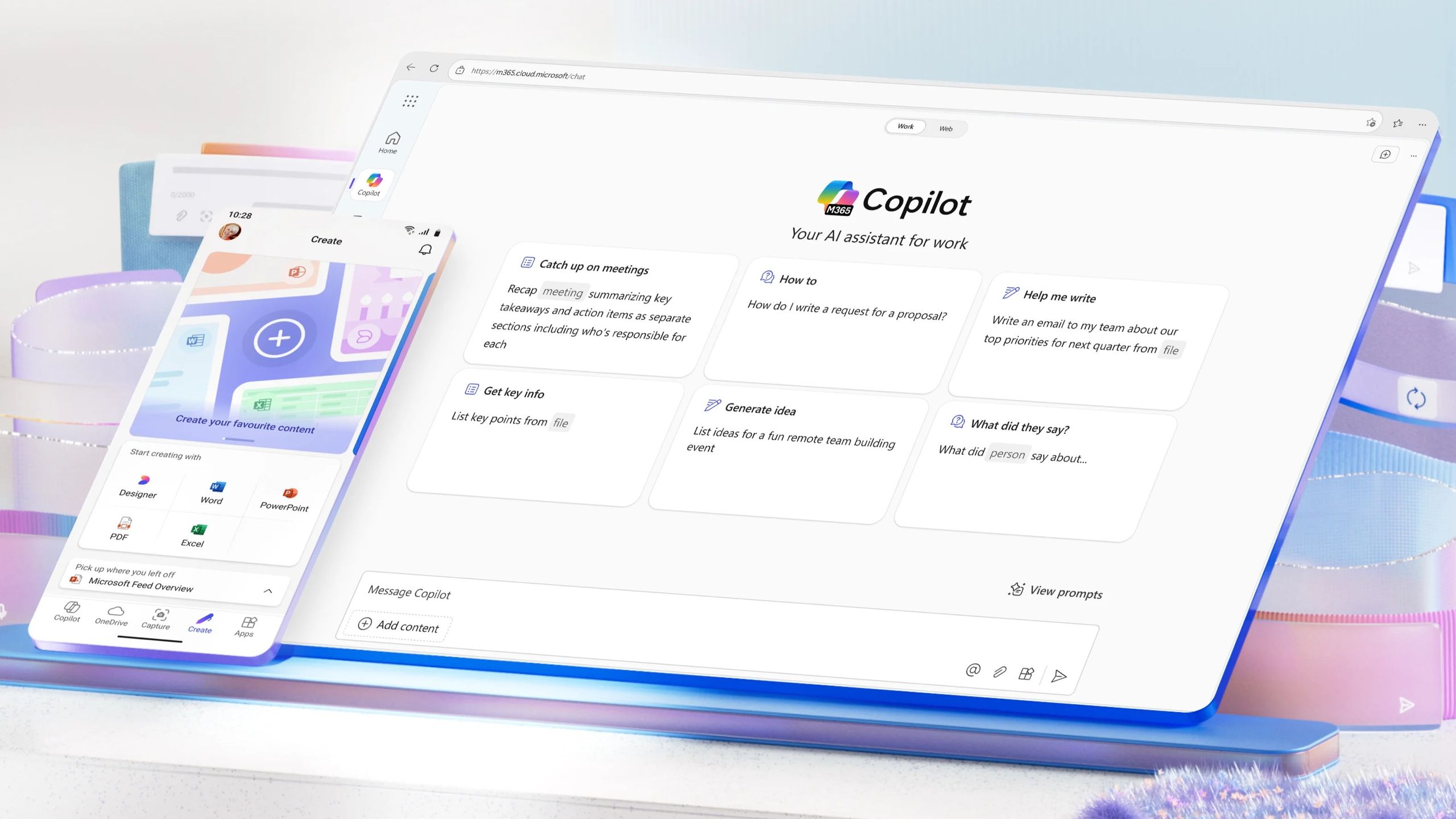
Microsoft has rebranded its long-standing Office productivity suite as the "Microsoft 365 Copilot app," folding the existing Copilot AI assistant name into the container for Word, PowerPoint and other apps. The move—positioning AI chat functionality at the center of the user experience—could drive adoption of Copilot but risks branding confusion for a product that generated more than $30 billion in revenue last quarter; the announcement is notable for strategy and product positioning but is unlikely to materially affect near-term market fundamentals.
Market structure: Microsoft’s renaming is a branding/headline risk but signals strategic prioritization of AI as the product front end. Winners: MSFT (Azure + SaaS monetization), NVDA/AMD (GPU demand), enterprise SI partners; Losers: smaller Office-adjacent SaaS vendors and potentially GOOGL workspace in enterprise RFPs. Expect modest pricing power upside for Microsoft’s productivity stack (potential incremental ARR of ~5–15% over 12–24 months if enterprise Copilot attach rates reach 20–40%).
Risk assessment: Near-term sentiment volatility and confusion is likely (days–weeks) but operational and regulatory tail risks (data privacy, antitrust scrutiny) are the larger low-probability, high-impact scenarios over 12–36 months. Hidden dependency: success depends on Azure GPU supply and reliable hallucination mitigation; a disruption to GPU supply or a high-profile hallucination/lawsuit could materially slow adoption. Catalysts: next 2 quarterly earnings (enterprise Copilot metrics), Azure capacity disclosures, and any regulatory inquiries.
Trade implications: Tactical trades should favor exposure to compute/SaaS winners and protect from reputational weakness. Use relative plays (long MSFT, long NVDA/AMD) and consider shorting direct competitive exposure if data shows net market-share movement. Options strategies: prefer limited-risk call spreads on MSFT/NVDA for 3–12 month horizons to express adoption upside while capping premium loss.
Contrarian angles: The market may overreact to a name change—Office’s stickiness and enterprise contracts make customer churn unlikely, so short-term negative price moves are likely overdone. Conversely, investors underappreciate backend capital intensity: if Copilot adoption is real, compute CAPEX and margin pressures for MSFT and cloud peers will rise and increase semis revenue; mispricing exists between headline sentiment and durable monetization potential.
AI-powered research, real-time alerts, and portfolio analytics for institutional investors.
Request DemoOverall Sentiment
mildly negative
Sentiment Score
-0.30
Ticker Sentiment
