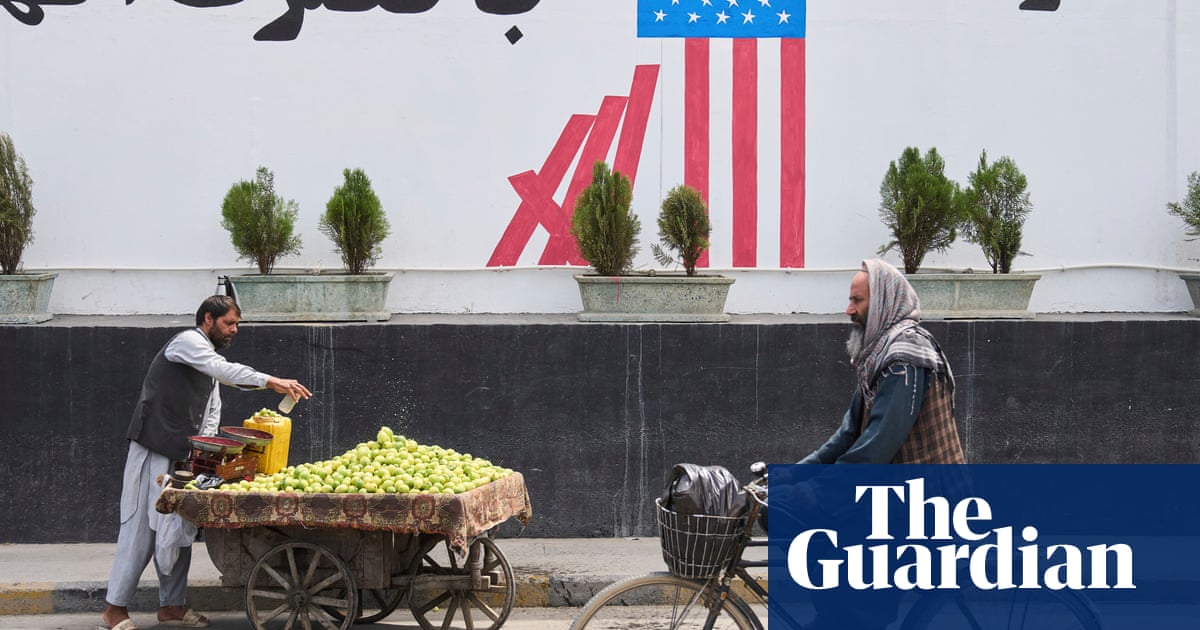
A new Trump administration travel ban, restricting entry to the US for citizens of a dozen countries mainly in Africa and the Middle East, has taken effect, sparking debate over its potential legal challenges and discriminatory nature. The ban, broader than the initial 2017 ban, targets nationals of countries including Afghanistan, Myanmar, and Haiti, citing terrorism and public safety concerns, though critics argue it's rooted in racism and xenophobia. While the ban doesn't revoke previously issued visas, new applications will be rejected unless applicants meet narrow exemption criteria, potentially impacting education, professional development, and international relations, particularly for African nations.
A new travel ban enacted by the Trump administration has become effective, "fully" restricting U.S. entry for nationals from twelve countries—predominantly in Africa and the Middle East, but also including Afghanistan, Myanmar, and Haiti—and partially restricting entry for citizens of seven other nations. This measure is described as broader than the 2017 travel ban and is anticipated by legal experts to be more resilient against legal challenges, despite eliciting less immediate public protest compared to its predecessor. The administration justifies the ban by citing "terrorism-related" and "public-safety" risks, visa overstays, and allegedly "deficient" screening processes in the targeted countries, with President Trump also linking it to a recent attack in Boulder, Colorado, although the accused perpetrator is from Egypt, a country not on the restricted list. Critics, such as Oxfam America, assert the policy is driven by a desire to sow division and vilify communities, labeling it as fundamentally racist and disproportionately impacting African nations and non-white developing countries, rather than being a genuine national security measure. While existing visas are not revoked, new visa applications from affected countries will generally be denied, potentially obstructing educational, professional development, and networking opportunities. The associated data signals indicate a "strongly negative" sentiment (-0.8) and a "pessimistic" tone surrounding this development; however, the market impact score is low (0.1), suggesting that immediate, direct financial market disruption from this specific policy is perceived as limited, though it contributes to an environment of heightened geopolitical and regulatory uncertainty.
AI-powered research, real-time alerts, and portfolio analytics for institutional investors.
Request DemoOverall Sentiment
strongly negative
Sentiment Score
-0.80
