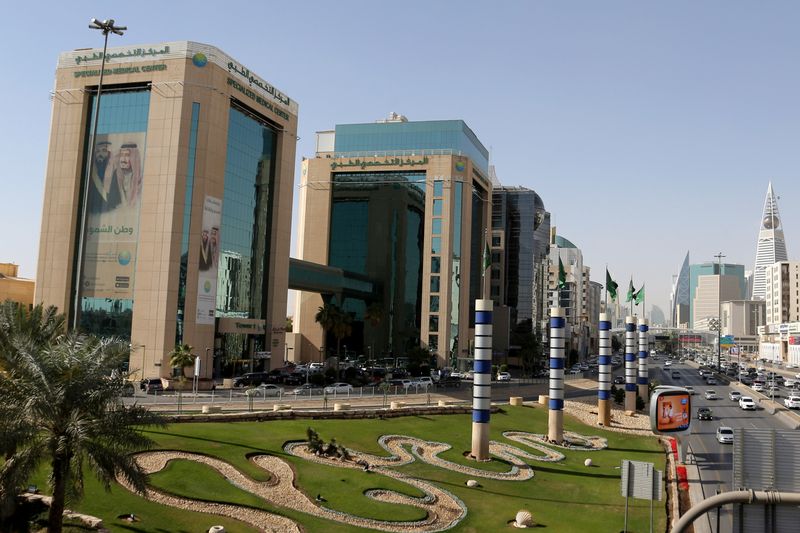
Saudi Arabia is reportedly close to deciding to join U.S.-led strikes against Iran and has agreed to allow U.S. forces to use King Fahd air base, risking a wider Gulf escalation. Iranian missile and drone strikes on key energy sites and the potential for Saudi involvement threaten Strait of Hormuz flows and could lift oil and safe-haven assets (gold). The UAE is simultaneously increasing financial pressure—shutting Iranian-linked institutions in Dubai and threatening to freeze billions in assets—raising sanctions and market-disruption risks for regional trade and finance.
Escalating Gulf risk is creating discrete, tradeable frictions beyond headline oil prices: higher war-risk premia lift tanker insurance and time-charter rates, producing localized physical tightness (widened Brent-Med/ASIA freight spreads) that benefits short-cycle producers and storage owners while compressing refinery margins in import-dependent regions. These mechanics can show up within days as freight re-routings and persist for months if sanctions and financial squeezes on Iranian-linked counterparties continue, producing non-linear inventory builds in alternative hubs.
A less obvious beneficiary is high-density compute used for ISR, targeting, and expanded unmanned operations — demand for SWaP-optimized servers and rack-level solutions should accelerate capex from defense primes and regional governments, shortening upgrade cycles for specialized OEMs. That creates a multi-quarter revenue tail for vendors who can supply validated, secure systems (firm wins convert to hardware orders within 1–6 months) while general-purpose cloud providers may defer commoditized spend.
From a market-structure perspective, risk-off will amplify margin calls across commodity and EM credit trading books, forcing deleveraging that exacerbates price moves; expect knee-jerk liquidity squeezes in swaps and futures in the next 48–72 hours and elevated realized vol for 1–3 months. The main reversal paths are rapid de-escalation via credible diplomatic payoff or logistical normalization (insurance premiums fall, tankers re-route back), both of which can unwind price premia within 2–8 weeks.
Contrarian view: current market pricing likely overstates a sustained, full-scale kinetic commitment from Gulf states — asymmetric strikes and targeted sanctions produce persistent but bounded premium, favoring short-dated option structures and relative-value trades over long-duration outright commodity exposure. That argues for focused, time-boxed positions capturing convexity rather than buy-and-hold commodity longs.
AI-powered research, real-time alerts, and portfolio analytics for institutional investors.
Request DemoOverall Sentiment
moderately negative
Sentiment Score
-0.45
Ticker Sentiment
