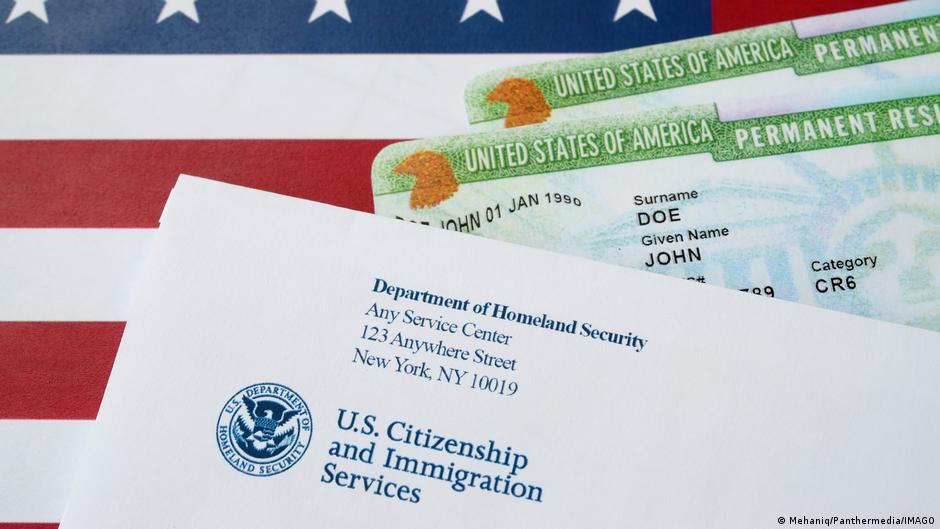
The administration has indefinitely suspended all asylum procedures, paused naturalizations and green card issuance and ordered re-examinations of existing residence permits for nationals of 19 countries, a group previously subject to entry bans in June 2025. The move, prompted by a November 26 attack and framed as a national-security measure, also cuts maximum work-permit validity for refugees/asylum seekers from five years to 18 months, risking labor shortages in health, science and technology sectors and raising the prospect of deportations and halted family reunifications.
Market structure: The policy tightens the supply of migrant high-skilled and healthcare labor, shifting pricing power toward incumbents that can pay or automate. Winners: automation/robotics capex (ROK, ABB), US staffing firms that can bill higher rates for domestic talent (AMN); Losers: labor-intensive hospital operators (HCA), universities dependent on foreign talent, and some R&D-heavy small-cap biotechs facing hiring bottlenecks. Expect wage-pressure-driven margin compression in hospitals/clinics over 3–12 months and accelerated capex for automation over 6–24 months.
Risk assessment: Tail risks include a swift judicial injunction reversing policy (days–weeks) or escalation into broader immigration controls and civil unrest that push a deeper risk-off into equities and EM FX (months). Hidden dependencies: clinical trials, university research and niche semiconductors rely on foreign PhDs — pipeline delays can impair biotech M&A and patent timelines over 12–36 months. Key catalysts: court rulings, midterm/local election outcomes, and corporate guidance on hiring in next 30–90 days.
Trade implications: Tactical longs: staffing (AMN) and automation (ROK/ABB) to capture margin re-pricing and substitution; pair trade: long outsourcing/IT-servicers (INFY) vs short US hospital operators (HCA) to express offshoring benefit and domestic cost stress. Use options to size risk: buy 3–6 month call spreads on AMN and 6–12 month call on ROK; increase duration exposure (TLT) if real yields retreat below defined thresholds.
Contrarian angles: The market may under-appreciate acceleration in corporate onshoring/offshoring rebalancing — net beneficiary companies (INFY, global IT services) stand to win incremental budgets quickly. Historical parallels (short-term political travel bans) show limited long-term damage to large caps; the overreaction window is likely 1–3 months, creating mean-reversion setups in beaten-down hospital and higher-ed names if courts limit enforcement. Watch for unintended corporate shifts to Canada/India hiring that could make INFY/Indian IT stocks a multi-quarter asymmetric upside.
AI-powered research, real-time alerts, and portfolio analytics for institutional investors.
Request DemoOverall Sentiment
moderately negative
Sentiment Score
-0.40
