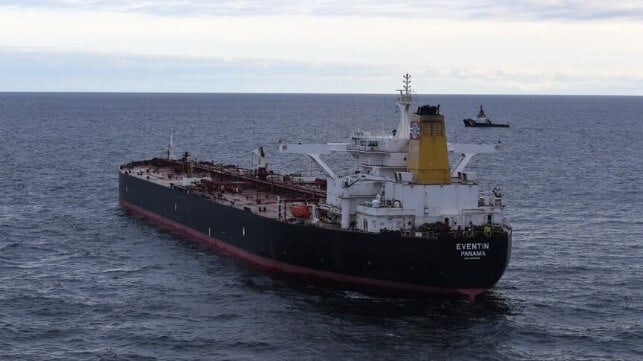
The European Union is intensifying efforts to disrupt Russia's energy revenue by significantly increasing inspections of the 'shadow tanker fleet' and preparing its 19th sanctions package, which will target over 100 additional vessels. This initiative, driven by concerns over Russia's income and operational risks, involves negotiating bilateral agreements with flag states for enhanced inspection authority and aims to accelerate the phase-out of Russian oil and gas imports. The move signals a renewed EU commitment to economically pressure Russia, potentially impacting global oil supply dynamics and increasing operational costs for vessels involved in sanctions circumvention.
The European Union is significantly escalating its efforts to disrupt Russia's energy revenue stream by increasing inspections of the "shadow tanker fleet" and preparing its 19th sanctions package, which will target over 100 additional vessels. This initiative, driven by concerns over Russia's income, environmental risks, and potential hybrid warfare, signals a renewed urgency to pressure Russia amidst the ongoing conflict in Ukraine.
The strategy involves the European External Action Service (EEAS) negotiating bilateral agreements with flag states to gain additional authority for boarding and inspecting suspect vessels. This builds on existing measures, such as states demanding proof of insurance and independent inspection programs like Denmark's, with France's detention of the tanker Boracay illustrating the operational impact of such actions. The EU is also considering targeting bunkering services to further impede the shadow fleet's operations.
These hawkish measures are poised to increase operational costs and logistical complexities for shipping companies involved in Russian oil transport, potentially impacting global oil supply dynamics. Investors should anticipate heightened scrutiny and enforcement within the maritime sector, particularly for vessels operating in European waters or those suspected of sanctions circumvention. The strongly negative sentiment surrounding these developments underscores the significant geopolitical and economic implications.
AI-powered research, real-time alerts, and portfolio analytics for institutional investors.
Overall Sentiment
strongly negative
Sentiment Score
-0.75
