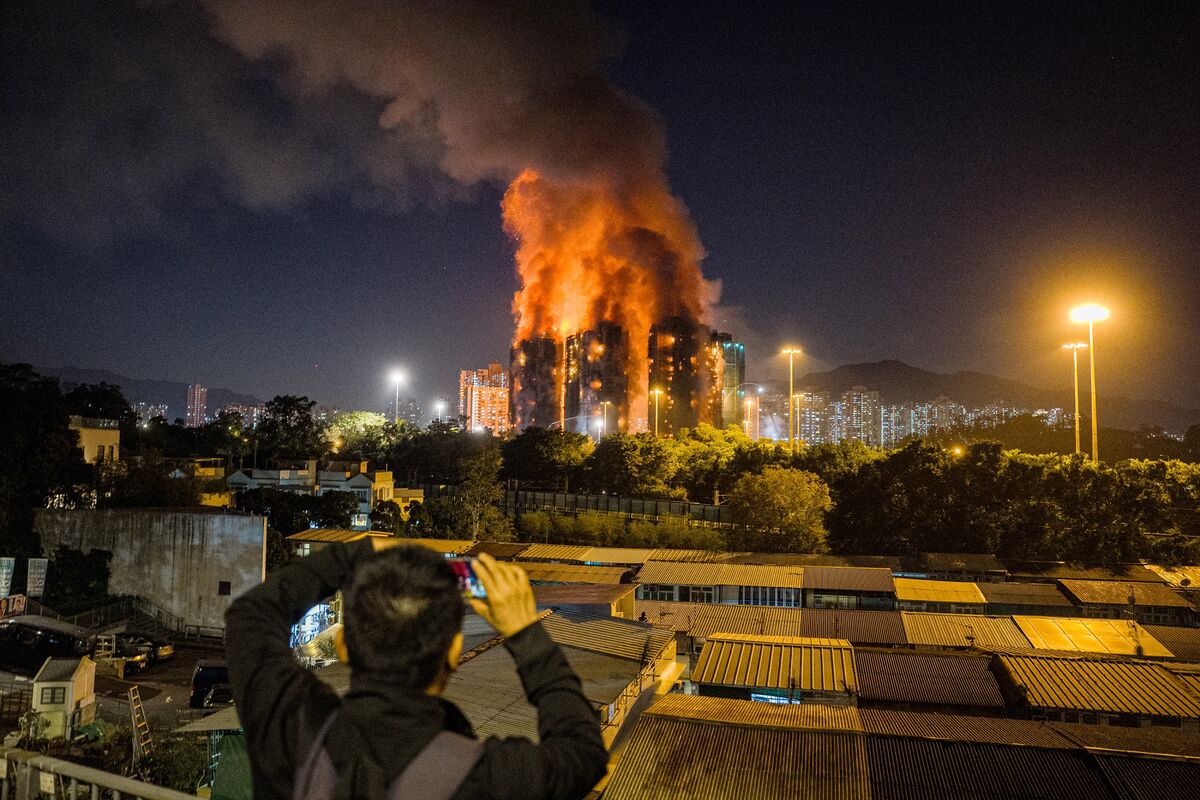
A catastrophic fire in Tai Po, Hong Kong — described as the deadliest in decades — has killed dozens and left many more missing at a residential estate, with rescue operations ongoing. The incident is prompting scrutiny of building maintenance and could trigger regulatory enforcement, litigation and reputational risk for property owners, managers, insurers and developers in Hong Kong, with potential implications for valuations and credit risk in the local real estate sector.
Market structure: Immediate winners are building-systems and fire-safety suppliers and specialist contractors (global names: JCI, HON) and property owners with newer, code-compliant stock; losers are owners/operators of older walk-up estates, legacy Hong Kong developers with large aged portfolios, and property managers facing liability. Expect short-term repricing of risk for older residential assets (cap rate uplifts of 50–150bp possible for low-compliance stock) and a flight-to-quality into Grade-A assets and listed REITs.
Risk assessment: Tail risks include sweeping retroactive liability or a special remediation levy that could force 1–5% balance-sheet write-downs for exposed developers, or insurer reserve hits compressing earnings by low single digits; these outcomes are driven by coroner findings and government action in the next 30–90 days. Hidden dependencies: mortgage-backed demand elasticity, bond-market access for developers, and FX flows into HKD-linked assets that could amplify price moves.
Trade implications: Near-term (days–weeks) tradeable windows are sentiment and regulatory announcement-driven—expect volatility spikes in HK property equities and credit. Positions: short stretched developer equities/bonds and buy safety/retrofit suppliers; use 3-month put spreads on developers and buy 6–12 month calls or equities in building-systems suppliers. Rebalance after any policy announcement; measure retrofit cost disclosures against a 3–5% earnings-impact threshold.
Contrarian angles: Consensus may overstate permanent demand damage—well-capitalized landlords and Link-style REITs could capture 2–5% rental premiums while lower-quality stock faces structural obsolescence. Historical parallels (post-Grenfell/major fire events) show regulatory tightening then selective upside for compliant assets; unintended consequence: government subsidies/mandates may accelerate capex demand, benefiting materials and services providers.
AI-powered research, real-time alerts, and portfolio analytics for institutional investors.
Request DemoOverall Sentiment
moderately negative
Sentiment Score
-0.50
