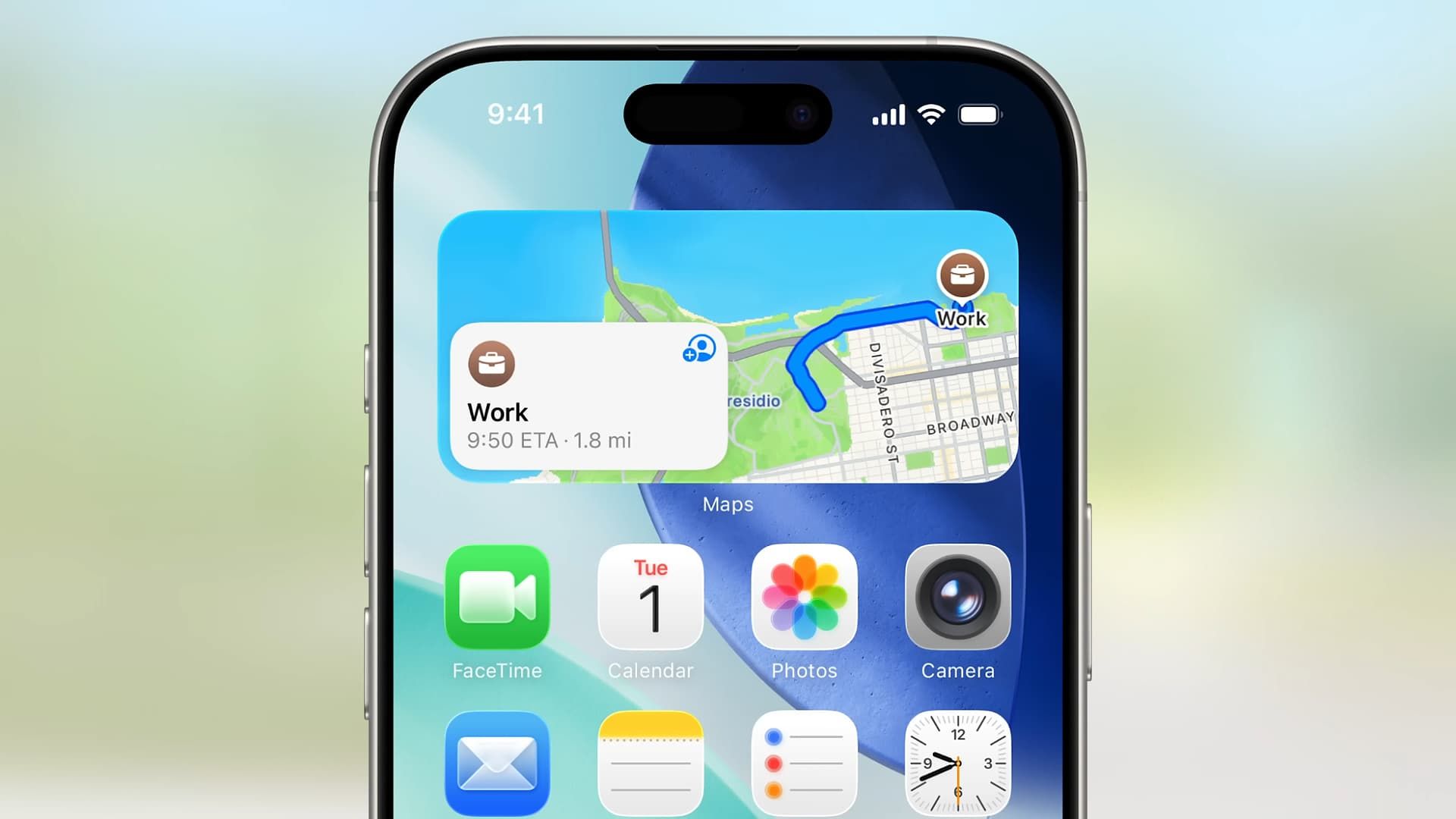
Apple will add a 'Limit Precise Location' setting in iOS/iPadOS 26.3 that restricts the granularity of location data shared with cellular carriers—providing rough neighborhood-level data rather than precise addresses—while preserving signal quality and emergency responder access. The feature requires devices with Apple's C1/C1X modems (listed models include iPhone Air, iPhone 16e, and iPad Pro with M5 and cellular), a compatible carrier in selected markets (Germany: Telekom; UK: EE, BT; US: Boost Mobile; Thailand: AIS, True), and a restart after enabling; rollout is limited and unlikely to have material near-term financial impact beyond modestly improving consumer privacy perception as adoption of C1/C1X-equipped devices expands.
Market structure: Apple (AAPL) is the clear winner for product differentiation — privacy features like Limit Precise Location are low-cost UX upgrades that can support a low-single-digit uplift in iPhone ASPs or buyer preference over 6–12 months and incremental marketing value at each software release. Carriers and location-adtech vendors are the marginal losers because restricted carrier-level precision erodes some location-based revenue streams; expect gradual revenue pressure concentrated in niche data/ads (low single-digit percent of large carriers’ top lines). Cross-asset impact is muted: negligible direct sovereign FX or commodity effects; telecom credit risk only rises if carrier data revenue falls >5% over 2–3 years, otherwise AAPL equity/option flows are the primary channels.
Risk assessment: Tail risks include regulatory intervention (telecom regulators or courts could force access or impose interoperability rules) and carrier pushback (product limitations, differentiation or litigation) — both low probability but high impact on Apple-carrier relations over 12–36 months. Immediate effect (days) is reputation/PR; short-term (weeks–months) adoption is limited by C1/C1X device penetration and compatible carriers; long-term (years) the bigger risk is Apple modem insourcing displacing suppliers and changing supplier bargaining power. Hidden dependency: feature only works on C1/C1X-equipped devices and select carriers; monitor installed-base share of C1/C1X iPhones (threshold: >25% in 12 months to materially move supplier revenues).
Trade implications: Tactical: establish a modest 1–3% long AAPL position within one week of iOS 26.3 rollout to capture expected 1–3% positive alpha from product PR and upgrade momentum; hedge with a 1–2% notional long vs short QCOM (Qualcomm) over 12–36 months anticipating secular modem share loss (pair size 1:0.5). Options: buy a 30-day AAPL call spread to limit premium (target capture 2–4% upside) or sell OTM puts to collect premium if willing to acquire at 3–5% discount. Sector tilt: overweight consumer hardware/privacy SaaS by 1–3% and underweight comms-services/adtech exposure by 1–3% for the next 6–12 months.
Contrarian angles: The market underestimates the long-run supplier shift — consensus treats this as a minor privacy tweak, but if Apple scales C1/C1X to >40% of shipments within 24 months it can shave mid-single-digit percentage points off competitors’ modem revenue and margins (QCOM exposure). Reaction is likely underdone; downside risk to suppliers is multi-year not immediate. Unintended consequences: carriers may retaliate via differentiation or fees, or regulators may intervene — each could flip the trade; key triggers are formal carrier complaints or FCC/EC inquiries in the next 30–90 days.
AI-powered research, real-time alerts, and portfolio analytics for institutional investors.
Request DemoOverall Sentiment
mildly positive
Sentiment Score
0.25
Ticker Sentiment
