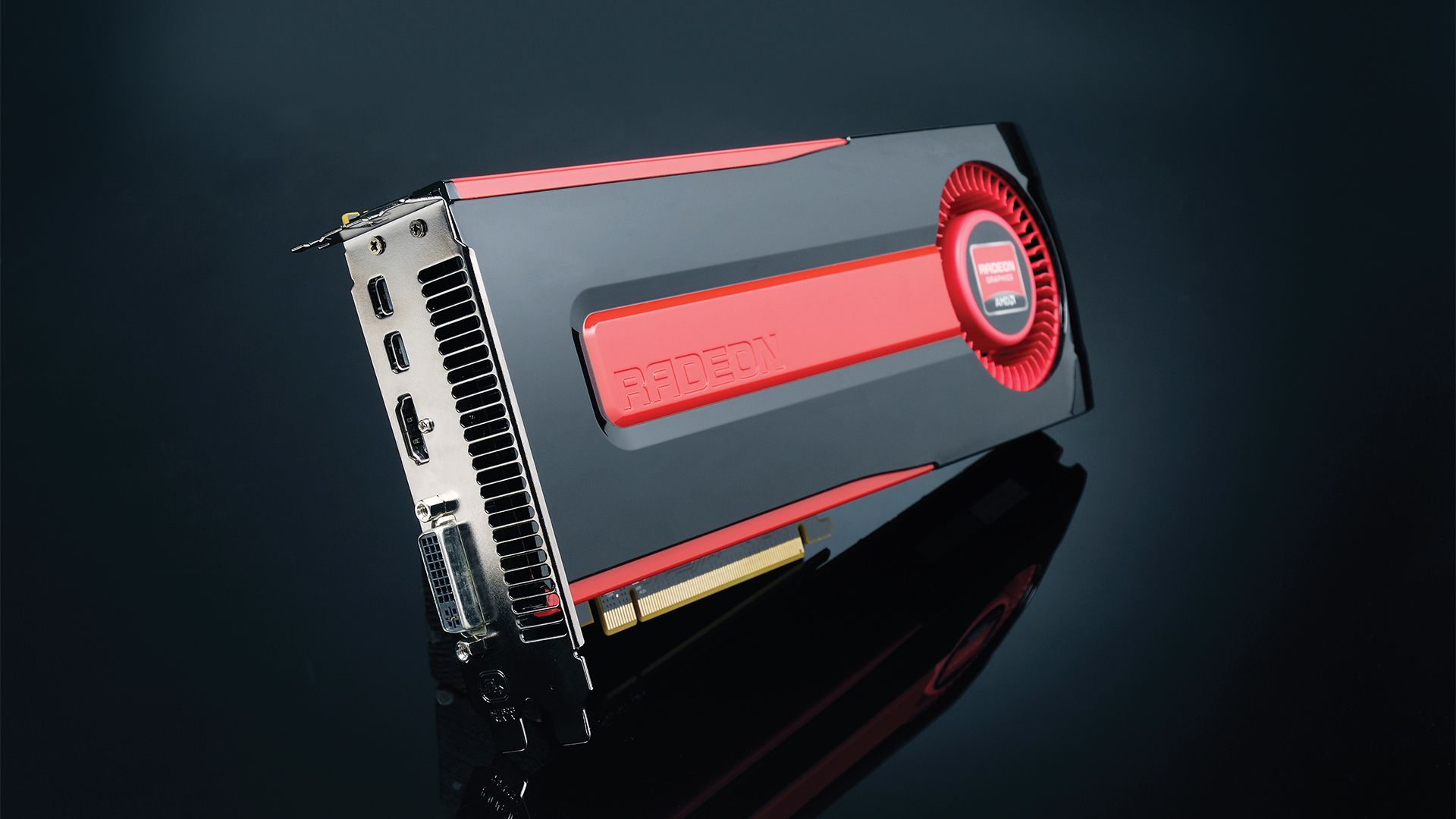
Linux kernel 6.19 (arriving Feb 2026) migrates legacy AMD GCN 1.0 and 1.1 GPUs from the old Radeon DRM driver to the modern AMDGPU stack, enabling native Mesa RADV Vulkan support and delivering up to a reported 30% performance uplift (Phoronix tests on a Radeon HD 7950 with a Ryzen 9 9950X3D). Contributions from Timur Kristóf and Valve’s Linux Open-Source Graphics Driver Group drive the change, which significantly improves performance and features for long-lived low-end/legacy AMD hardware but is unlikely to materially change new-game viability or AMD’s near-term revenue profile; the development is notable mainly for secondary-market longevity, support-cost implications, and end-user goodwill rather than a direct market-moving event.
Market structure: The Linux 6.19 driver consolidation creates a small but tangible win for AMD (AMD) — up to +30% perf on GCN1.x translates into extended useful life for millions of legacy cards, lifting used-GPU prices and brand goodwill. It is unlikely to move market share for new discrete GPUs materially (>1–3% TAM impact over 1–3 years), but it slightly reduces replacement cadence in budget/retro segments and raises switching costs for competitors that lack open-source parity.
Risk assessment: Tail risks include a post-release security/firmware bug or regressions that force rollbacks (high-impact, low-probability) and potential OEM pushback if Linux uptake accelerates unpredictably. Immediate effect (days–weeks) is PR and developer momentum; short-term (0–3 months) could show modest Steam/Proton adoption signals; long-term (1–3 years) is slower upgrade cycles for low-end GPUs (estimate: 1–3% lower replacement demand annually) which mildly compresses cyclical GPU revenue.
Trade implications: Tactical exposure should be small and event-driven — prefer long AMD exposure sized 1–3% of portfolio to capture ecosystem/brand upside, funded by trimming cyclical PC OEM exposure (e.g., DELL) by 1–2%. Options: buy a 3–6 month AMD call debit spread (size 0.5–1% notional) to lever upside while capping premium; avoid naked shorts in semis where idiosyncratic drivers dominate.
Contrarian angles: Consensus likely overstates the consumer impact; markets may underprice the longevity effect that reduces replacement TAM. If Linux/Steam Deck adoption accelerates (>0.5 percentage-point quarterly share lift measured via Steam Hardware Survey), that is an upside catalyst for AMD software moat; conversely, a major driver bug would be an outsized negative catalyst that could erase any short-term sentiment gains.
AI-powered research, real-time alerts, and portfolio analytics for institutional investors.
Request DemoOverall Sentiment
mildly positive
Sentiment Score
0.35
Ticker Sentiment
