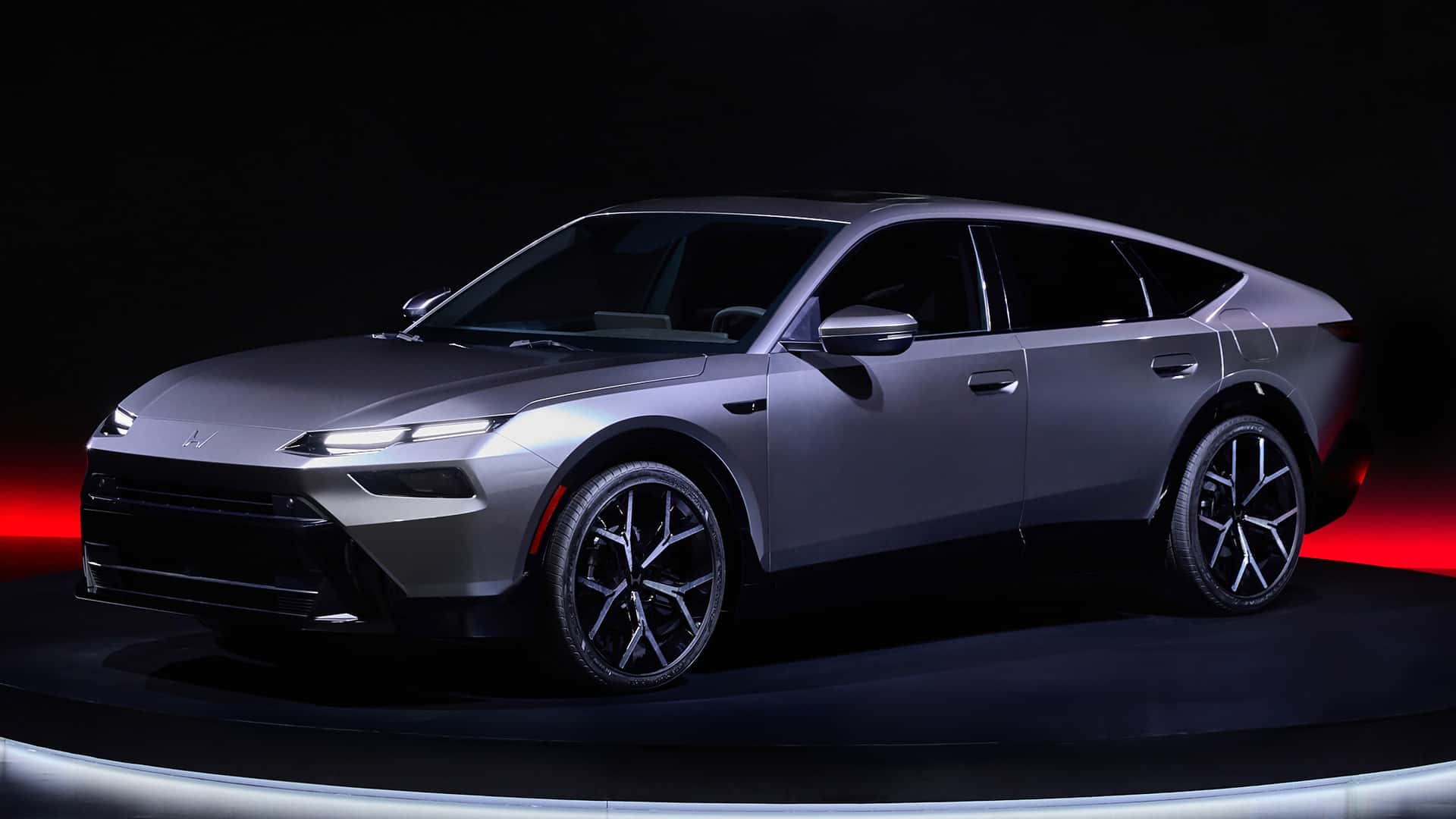
Honda plans to launch a new hybrid sedan and Acura SUV in 2028, both built on a next-generation hybrid powertrain and new platform. The company says the system should improve fuel efficiency by more than 10% versus its current hybrid setup and cut costs by over 30%, while supporting 15 hybrid model launches by March 2030. The article signals a strategic pivot away from delayed EV plans toward hybrids, with $28 billion earmarked for gas and hybrid development over the next three years.
Honda’s pivot is less about abandoning electrification than about monetizing the part of the market where consumer willingness to pay is highest and regulatory penalties are still manageable. The second-order effect is that hybrid demand may stay stronger for longer in the U.S., which is incrementally negative for pure-EV incumbents and the charging ecosystem, but supportive for suppliers with content in e-motors, power electronics, thermal systems, and lightweighting. The market is likely underestimating how much of Honda’s product cadence can now be defended with faster, lower-risk hybrids rather than capital-intensive BEVs. The more important signal is cost-down: a 30% reduction in hybrid system cost can materially expand gross margin or fund sharper pricing versus Toyota and Hyundai without sacrificing profitability. That creates a competitive squeeze on weaker ICE-only OEMs and on EV-only brands that need price cuts to sustain volume. If Honda executes, the beneficiaries are likely to be tier-1 suppliers tied to hybrid modules and platform components rather than headline automakers; the losers are firms exposed to slower U.S. BEV adoption and any supplier overly concentrated in canceled EV programs. The main risk is timing: this is a 2027-2028 story, so the stock reaction may fade unless management translates the roadmap into near-term guidance, mix, and margin upgrades. A reversal would likely require faster-than-expected U.S. EV demand recovery or policy support that makes hybrids look like a bridge to nowhere. The contrarian takeaway is that this may be a capital-allocation win, not a demand-growth win: if the industry stays rational, hybrids can produce better returns on invested capital than headline EV launches even if they are less exciting.
AI-powered research, real-time alerts, and portfolio analytics for institutional investors.
Overall Sentiment
mildly positive
Sentiment Score
0.15
Ticker Sentiment
