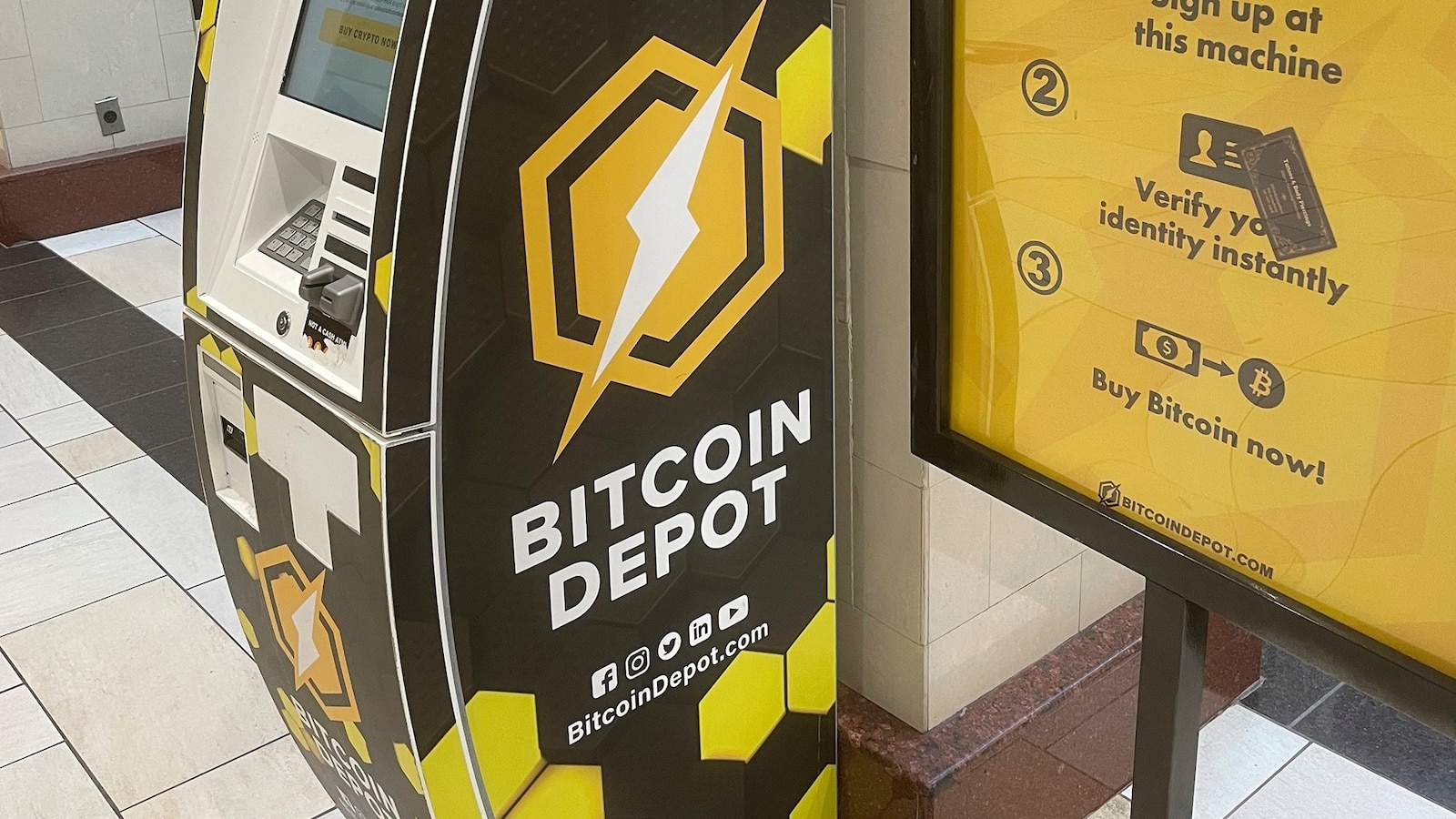
Bitcoin Depot agreed to pay Maine $1.9 million to compensate consumers defrauded via its network of more than 25,000 bitcoin ATMs, while admitting no wrongdoing. The settlement allows victims to apply for restitution and comes amid state limits on deposits and fees and a broader surge in bitcoin ATM scams that the FBI says cost Americans $333 million in 2025; the company also faces separate litigation in Iowa.
Market structure: The Maine settlement ($1.9M) is small in absolute terms versus a national kiosk network (25k ATMs) but large as a precedent — it signals state-level willingness to claw back customer losses and impose deposit/fee caps. Winners: regulated, on‑ramp exchanges (COIN) and AML/KYC vendors who can credentialize flows; losers: unregulated kiosk operators (BTMWW) and cash‑heavy local resellers whose unit economics rely on high-throughput, high-fee transactions. Expect local market share reallocation toward licensed providers over 6–18 months as states adopt similar caps.
Risk assessment: Tail risks include coordinated multi-state litigation and blanket bans that could reduce kiosk throughput 20–50% in 12–24 months, or conversely a federal preemption that stabilizes operations. Near-term (days/weeks) event risk is headline-driven volatility for BTMWW and similar OTC names; mid-term (3–9 months) regulatory rollouts and Iowa lawsuit outcomes are key catalysts; long-term (1–3 years) network economics depend on compliance upgrade costs and fee compression. Hidden dependencies: ATM operators’ liability insurance limits, merchant contracting terms, and cash logistics partners could create amplification or bankruptcy cascades.
Trade implications: Direct short on BTMWW (small-cap/illiquid) and relative long in regulated exchanges (COIN) and AML/SaaS vendors (CRWD) is preferred; options trades beneficial where available to express conviction without leverage. Use call spreads on COIN to express re‑rating if institutional on‑ramps increase, and buy protective puts or short CDS-like exposure on kiosk names to hedge regulatory tail risk. Rebalance away from unregulated retail crypto plays into regulated fintech and compliance equities over 3–12 months.
Contrarian angles: Consensus treats settlement as reputational hiccup; we see a regime shift risk where cumulative small penalties force industry consolidation — an outcome that benefits large, compliant platforms and compliance vendors but destroys many kiosk SMEs. Reaction may be underdone in regulated-exchange equities and overdone in kiosk equities if settlements stay sub-$10M; watch for clustering of state actions (2–4 states within 90 days) which would validate the consolidation trade and materially reprice small operators.
AI-powered research, real-time alerts, and portfolio analytics for institutional investors.
Request DemoOverall Sentiment
moderately negative
Sentiment Score
-0.35
Ticker Sentiment
