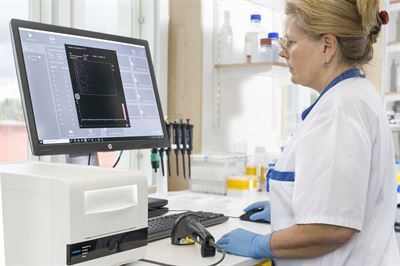
Gradientech has signed a long-term agreement with ELBLAB GmbH to integrate its QuickMIC® ultra-rapid antibiotic susceptibility testing system into routine clinical workflows across ELBLAND Kliniken in Saxony, Germany, focusing on critically ill patients (sepsis, severe pneumonia). QuickMIC delivers phenotypic AST and actual MIC values from a native positive blood culture in approximately 3.5 hours, is CE marked and commercially available in Europe, and holds FDA Breakthrough Device designation (investigational use only in the U.S., not 510(k) cleared). The deal strengthens Gradientech’s commercial footprint in a key European market and supports clinical adoption, though no financial terms were disclosed and the announcement is unlikely to be materially market-moving on its own.
Market structure: Gradientech's ELBLAB win validates ultra-rapid phenotypic AST and benefits niche diagnostic vendors, regional lab groups, and consumable suppliers that capture recurring revenue; incumbent slower AST providers and broad-spectrum antibiotic sales could face margin/volume pressure as empiric therapy shortens. Pricing power will remain with vendors that combine rapid hardware + high-margin consumables; hospitals will drive procurement cycles (tenders) that can compress pricing for point players. Cross-asset impact is modest but directional: improved hospital throughput can tighten credit spreads on regional hospital bonds (20–50bps over 12–24 months) and slightly favor EUR-denominated medtech equities versus peers.
Risk assessment: Tail risks include FDA rejection or delay (0–12 months), lack of reimbursement codes in Germany/EU, or lab validation pushback that delays rollouts by 6–18 months; supply-chain constraints for cartridges could cap growth. Immediate (days) impact is informational; short-term (3–6 months) depends on procurement/tender wins; long-term (12–36 months) the market can re-rate incumbents if adoption scales and consumables convert to recurring revenue. Hidden dependencies: LIS/EMR integration, hospital CAPEX cycles, and clinical guideline changes; catalysts include additional EU contracts, peer-reviewed outcome data, and a US 510(k) decision.
Trade implications: Tactical long exposure to European diagnostics makers with AST/consumable exposure (bioMérieux BIM.PA, Siemens Healthineers SHL.DE) and lab-service players (Synlab SY1.DE) is warranted—size 1–3% each—timed over the next 1–6 months as tenders close. Use defined-risk option structures (6–12 month call spreads or 12–24 month LEAPS) to capture optionality around FDA clearance and major contract announcements; rotate out of broad antibiotic-specialist small-caps that could see demand erosion. Entry triggers: visible procurement orders or ≥2 new EU lab contracts within 90 days.
Contrarian angles: The market will likely overestimate immediate revenue—QuickMIC currently addresses Gram-negative panels and requires lab integration, so adoption may be multi-quarter not immediate; conversely, consensus may underprice the long-term stickiness of consumables once workflows standardize. Historical parallel: molecular rapid diagnostics took 2–5 years from clinical validation to standard-of-care adoption, implying a patient revenue ramp not an instant pop. Unintended consequences include downward pricing pressure on antibiotic volumes and shifting hospital formularies that could shave a few percent off antibiotic sales for large pharma over several years.
AI-powered research, real-time alerts, and portfolio analytics for institutional investors.
Request DemoOverall Sentiment
mildly positive
Sentiment Score
0.28
