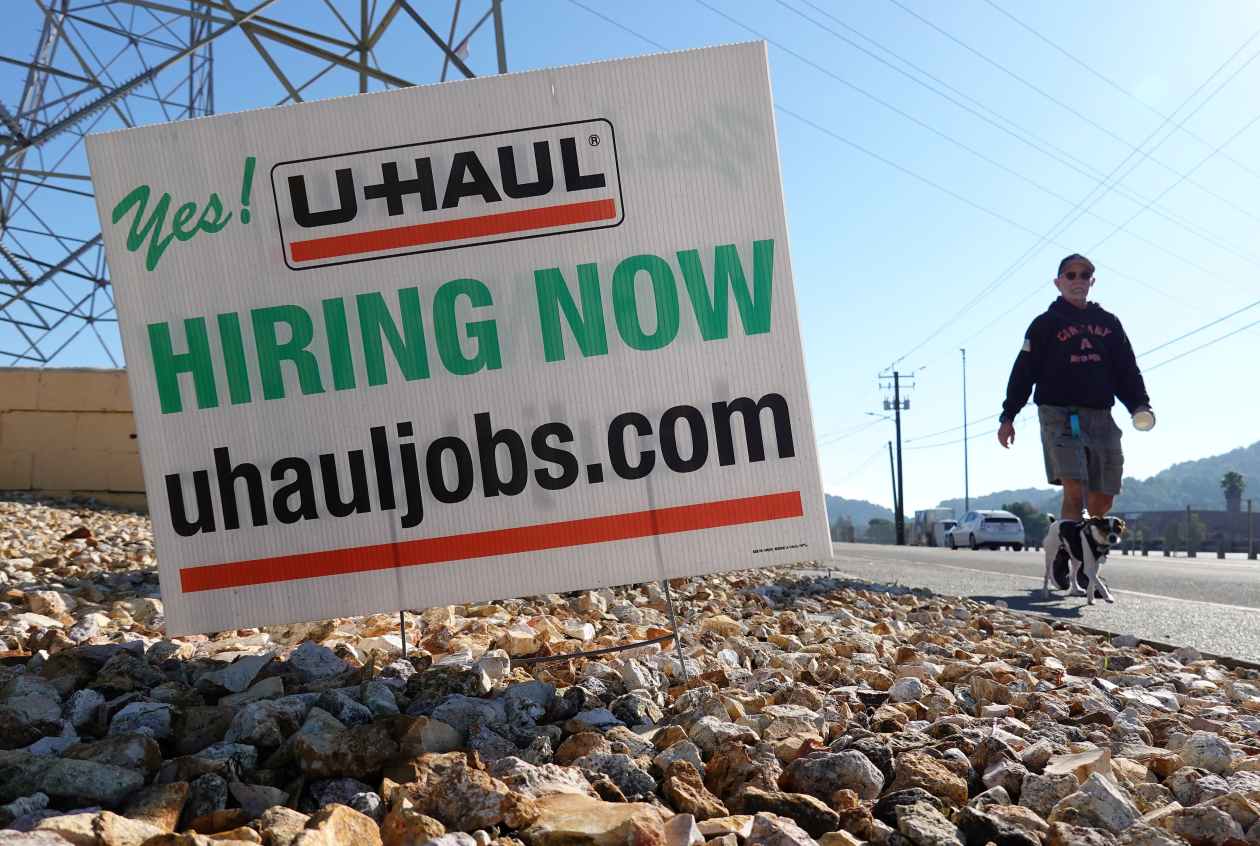
U.S. job openings surged to a six-month high of 7.77 million in May, up from 7.4 million in April, largely due to new graduates entering the labor force. Despite the increase in available positions, businesses exhibited a significantly slow hiring pace, well below normal, as they continue to grapple with the impact of high U.S. tariffs. This divergence presents a mixed signal for the labor market, indicating robust labor demand alongside corporate caution influenced by trade policy.
The U.S. labor market is sending conflicting signals, characterized by a divergence between labor demand and actual hiring activity. Job openings surged to a six-month high of 7.77 million in May, an increase from 7.4 million in the prior month, indicating robust demand for workers, partly fueled by the entry of recent graduates into the labor force. However, this strength is offset by a significant slowdown in the pace of hiring, which remains well below normal levels. This corporate hesitation is directly attributed to the economic aftershocks of high U.S. tariffs, suggesting that uncertainty surrounding trade policy is compelling businesses to delay new payroll commitments despite the availability of open positions. The data therefore points to a cautious corporate sector that is posting jobs but is reluctant to fill them, reflecting a broader uncertainty about future economic conditions.
AI-powered research, real-time alerts, and portfolio analytics for institutional investors.
Request DemoOverall Sentiment
mixed
Sentiment Score
0.00
