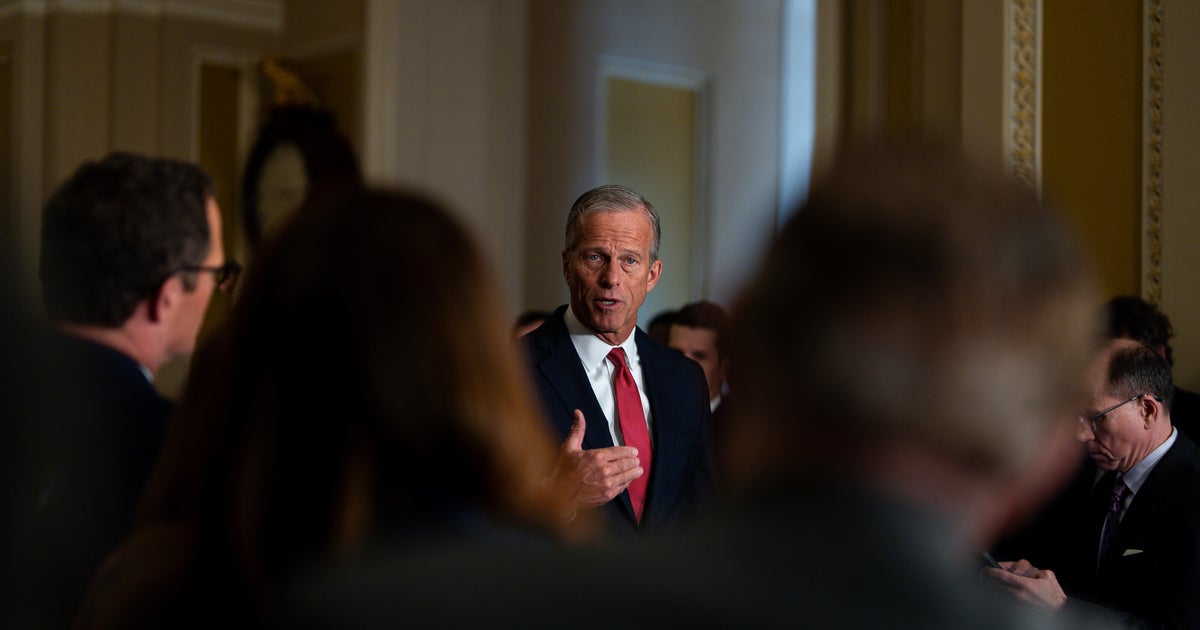
The Senate is set to vote Thursday on Department of Homeland Security funding ahead of a lapse at 12 a.m. Saturday, but negotiations have stalled over Democratic demands for sweeping ICE reforms following a recent use-of-force incident. Democrats are resisting a short-term continuing resolution and want requirements such as identification, body cameras, limits on enforcement locations and use-of-force standards; GOP leaders say more time is needed and are preparing alternative stopgap measures. While ICE and CBP operations would continue because of prior appropriations, a failure to reach agreement risks operational disruption for other DHS components (Coast Guard, FEMA, TSA) and sustained political brinksmanship that could unevenly affect government contractors and travel/security-sensitive sectors in the near term.
Market structure: A DHS funding lapse is asymmetric — near-term losers are TSA-dependent travel, airport concessions and small DHS-focused contractors; winners are short-duration US Treasuries and large diversified defense primes (LMT, RTX, NOC) as flight disruptions push investors to safe haven and larger contractors face less idiosyncratic revenue risk. Operationally, TSA/port interruptions compress airline RASM for days-to-weeks and create outsized idiosyncratic risk for stocks with >10% revenue tied to airport throughput.
Risk assessment: Tail risk includes a multi-week DHS shutdown (low probability today but >20% if talks stall) that could trigger 5–15% drawdowns in airlines in a severe operational disruption or force multi-quarter deferrals of DHS procurements hitting small caps. Hidden dependencies: state/local enforcement responses, litigation risk to ICE vendors, and election-cycle policy shifts that could permanently reallocate budgets. Catalysts: Senate vote timing (by Saturday midnight) and any CR extension; a failed CR within 48 hours materially raises downside.
Trade implications: Near-term directional: buy 10–30-day Treasury exposure (TLT or 10y futures) sized 1–2% portfolio if no CR by Friday; hedge airlines with short-dated puts (30–45 day). Relative value: long large-cap defense (LMT, RTX) vs short DHS-focused vendors (PLTR, CACI) for 3–6 months. Options: buy 6-week 10% OTM puts on UAL/DAL sized 0.5–1% portfolio to cap risk vs operational shock.
Contrarian angle: Consensus underestimates durable political resolution likelihood — if a clean CR passes next week, defense and airlines can snap back quickly; this makes short-dated option hedges preferable to large directional shorts. Historical parallels (past brief DHS funding standoffs) show 3–7% mean reversion in impacted equities within 1–2 weeks, so prefer tactical, time-boxed trades over long-duration directional bets.
AI-powered research, real-time alerts, and portfolio analytics for institutional investors.
Request DemoOverall Sentiment
mildly negative
Sentiment Score
-0.25
