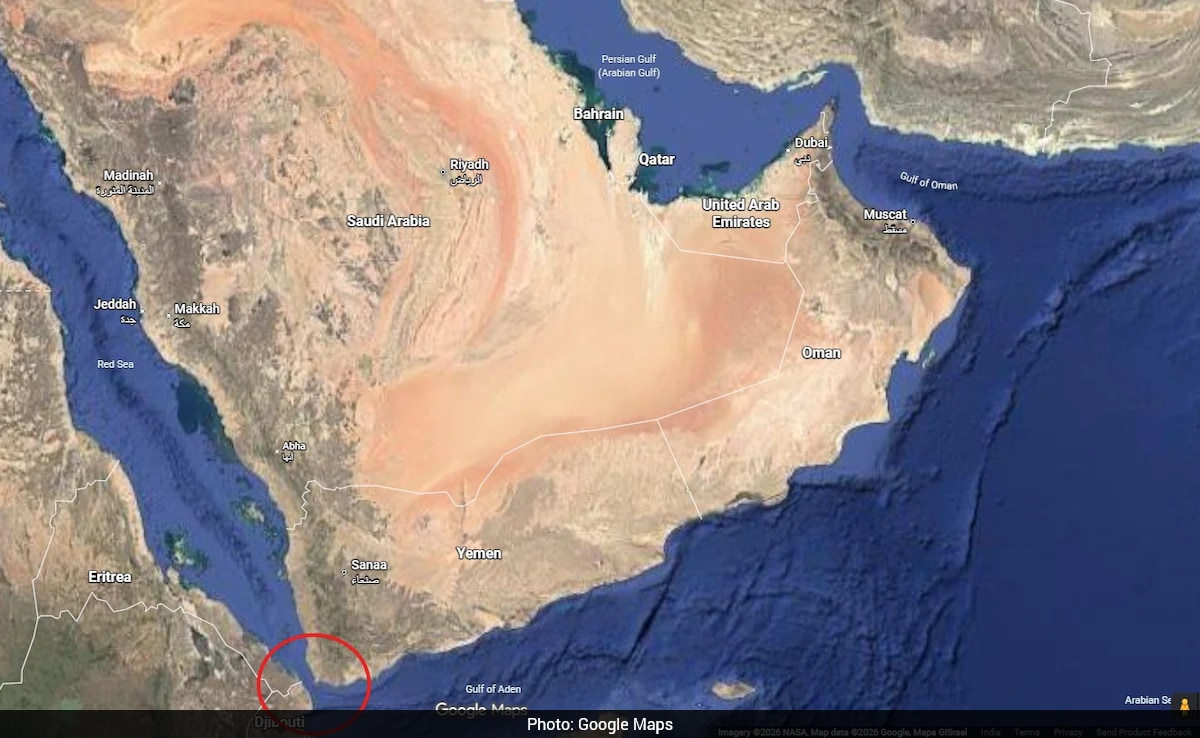
Houthi rebels have opened a second front by threatening the Bab al-Mandab Strait, compounding pressure on the Strait of Hormuz and putting a combined ~30–35% of global seaborne oil trade at risk. Pre-conflict Bab al-Mandab flows were 10–12% of seaborne crude (peak ~8.7–9.3 mbd); flows fell to ~4.1 mbd in H1 2025 then rose 21% in late-Feb/early-Mar; re-routing via the Cape adds roughly US$2/bbl in freight and has pushed VLCC charter rates from >US$200k/day to reported deals of US$425k–US$700k/day. Analysts warn Brent could surge past US$150/bbl (Rystad) or even toward US$200/bbl in extreme scenarios; India faces higher crude basket and LNG costs, container/consumer inflation, and fiscal strain reflected in recent fuel excise cuts.
The market is moving from a single-point shock to a multi-node chokepoint premium: when two separate maritime bottlenecks are simultaneously credible, risk premia are multiplicative not additive. Expect freight and insurance spreads to re-price sharply in the near term, producing outsized margin transfer to owners of large crude tankers and to specialty insurers; that transfer will persist until either security costs fall or alternative logistics capacity meaningfully expands.
Second-order winners will be asset owners and financiers with fixed shipping capacity (VLCC owners, time-charter counterparties, and lenders to seasoned tanker collateral) and re/insurers able to raise rates quickly; losers are downstream industrials reliant on just-in-time container flows and EM food importers who cannot pass through higher logistic bills. Pay attention to balance-sheet mismatches — smaller liners with spot-rate exposure and leveraged lessors will see valuation multiple compression if rates remain elevated for quarters.
Risk horizon bifurcates: expect acute volatility in days–weeks (convoy movements, insurance edicts, strikes) and structural effects over months as cargo owners reroute permanently or diversify suppliers. Reversals can come from credible multinational naval escorts, an insurance industry indemnity band-aid, or a diplomatic deal that isolates proxy actors; those catalysts would rapidly unwind freight and option implied volatility and compress related equities and spreads.
AI-powered research, real-time alerts, and portfolio analytics for institutional investors.
Request DemoOverall Sentiment
strongly negative
Sentiment Score
-0.72
Ticker Sentiment
