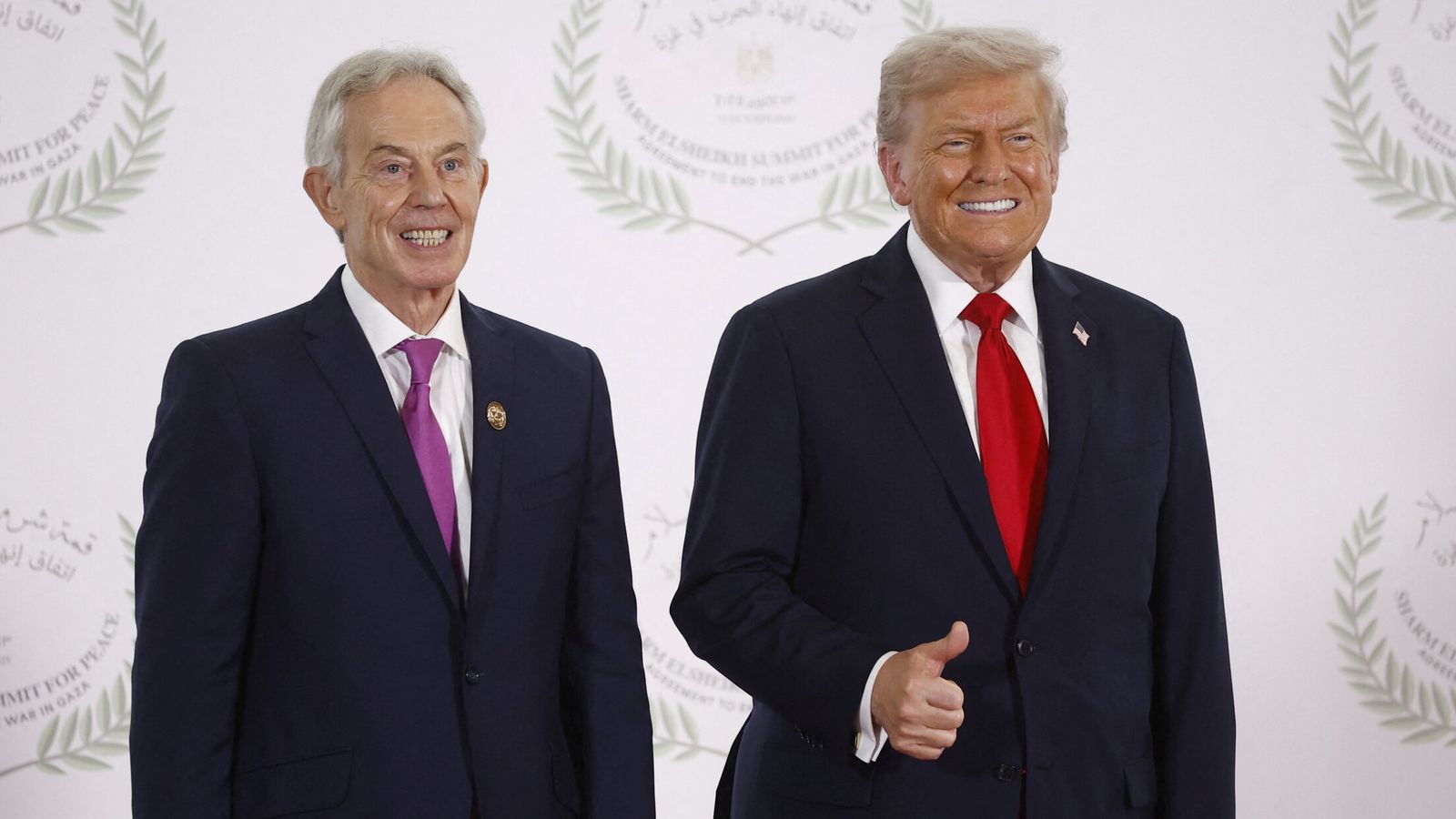
President Donald Trump has announced a US-led governance structure for Gaza with a 'founding executive board' chaired by him and including Sir Tony Blair, Secretary of State Marco Rubio, Jared Kushner, Steve Witkoff, Marc Rowan, World Bank president Ajay Banga and deputy national security adviser Robert Gabriel. The plan creates an apolitical transitional Palestinian government overseen by the Board of Peace, a National Committee for the Administration of Gaza led by Ali Sha'ath, a High Representative (Nickolay Mladenov) to link authorities, and an International Stabilization Force under Major General Jasper Jeffers to handle security, demilitarisation and aid delivery. The initiative aims to stabilize governance, restore services and enable reconstruction after intense conflict dating to October 2023 (Gaza health ministry figures cited), generating geopolitical and reconstruction-financing risk but limited immediate market-moving implications.
Market structure: The White House-led Gaza governance plan increases near-term demand for defense, security and reconstruction services — direct beneficiaries include large defense primes (LMT, NOC, RTX) and heavy-equipment/materials suppliers (CAT, VMC, FCX) due to anticipated demilitarisation, stabilization forces and reconstruction contracts over 6–36 months. losers are regional tourism, small-cap local contractors and insurers exposed to political-risk losses; expect pricing power concentrated in large, diversified contractors and a bidding premium on fast-capable logistics/security firms.
Risk assessment: Tail risks include plan failure or renewed large-scale conflict (low-probability, high-impact) that would spike Brent >$100 and VIX >28 within days, widen EM and insurance credit spreads by 200–400bp, and push safe-haven flows to USD/Gold. Hidden dependencies: US Congressional funding (vote in next 30–60 days), donor coordination and on-the-ground security (stability hinge points over 90 days). Catalysts: appropriation bills, ceasefire durability at 30/90/180 days, and early reconstruction contract awards.
Trade implications: Near-term alpha comes from owning large primes and selected materials names for 6–18 months while hedging political tail risk with gold/US rates; favor buying 9–12 month call spreads (15–25% OTM) on LMT/NOC rather than outright stock to control drawdown. Rotate into construction/materials (CAT, VMC, FCX) if >$30bn in confirmed reconstruction funding is approved within 60 days; bond markets: buy short-duration IG protection if spreads widen >75bp.
Contrarian angles: Consensus may overstate speed/scale of rebuilding — procurement favors incumbents and will be slow (12–36 months), creating a two-year winners-take-most dynamic. If governance stalls, defense upside accelerates but construction demand lags; prefer paired trades that long defense primes and short small-cap regional contractors/insurers that lack FCPA-compliance and scale.
AI-powered research, real-time alerts, and portfolio analytics for institutional investors.
Request DemoOverall Sentiment
neutral
Sentiment Score
0.00
