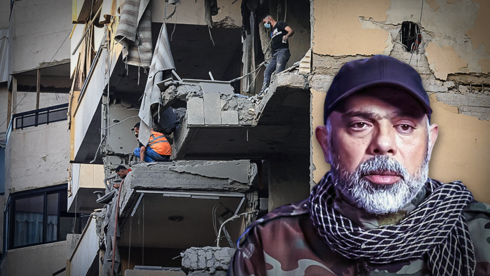
Israeli Military Intelligence reports it eliminated Haytham Ali Tabatabai, a long‑time Hezbollah chief of staff who led the group's post‑ceasefire rearming, commanded elite units and coordinated liaison with Iran, Syria, Iraq and Yemen. The agency says the hit degrades Hezbollah's knowledge base and command cohesion, has already identified potential successors and is flagging further targets to political leaders—an outcome that raises short‑term regional escalation risk and warrants monitoring for implications to defense exposure and regional risk premia.
Market structure: A precision strike that degrades Hezbollah operational leadership is a positive shock for regional defense demand and insurance markets but a negative for Lebanese political stability and local commerce. Direct winners: publicly traded defense primes with Israel programs (Elbit ESLT, RTX, LMT, BA) and war‑risk underwriters; losers: regional tourism, Lebanese banks, carriers exposed to Levant trade lanes. Expect a near‑term 1–4 week spike in war‑risk premia (marine war‑risk +10–30% on specific corridors) and a transient oil risk premium of ~$1.5–3/bbl unless escalation occurs.
Risk assessment: Tail risk is asymmetric — low probability Iran‑led escalation or Houthi campaign could add >$10/bbl to oil and shock global risk assets (equities -5–10% in 1–4 weeks). Immediate (days) view: knee‑jerk risk‑off and safe‑haven flows; short (weeks–months): re‑rating for defense names and insurers; long (6–18 months): sustained rearmament capex in the region if deterrence fails. Hidden dependencies include US military posture, Houthi maritime actions, and sanctions spillovers; key catalysts are retaliatory strikes, sea‑lane attacks, or an Iranian public statement within 7–30 days.
Trade implications: Favor tactical long positions in Israel‑exposed defense contractors (ESLT) and global primes (RTX, LMT) for 3–12 month upside, paired with short exposure to broad Israeli equity beta (EIS) or regional tourism names. Use options to express asymmetric views: oil call spreads and short‑dated equity downside protection; avoid large directional commodity futures unless oil >$85 persists. Rotation into gold (+1–3% position via GLD/IAU) and 2–5y US Treasuries (TLT or curve trades) as immediate hedges is warranted.
Contrarian angles: Consensus expects sustained escalation; historical targeted decapitations (ISIS, AQ) often produce short disruptions but not structural defeat — risk premia may fade in 2–8 weeks if no broader retaliation. Overreaction risk: oil/gold spikes could reverse 30–50% once headlines cool; underpriced outcome: a calibrated Israeli success could improve regional predictability and compress CDS spreads for Israeli sovereign debt by 20–40bps over 3–6 months.
AI-powered research, real-time alerts, and portfolio analytics for institutional investors.
Request DemoOverall Sentiment
moderately negative
Sentiment Score
-0.25
