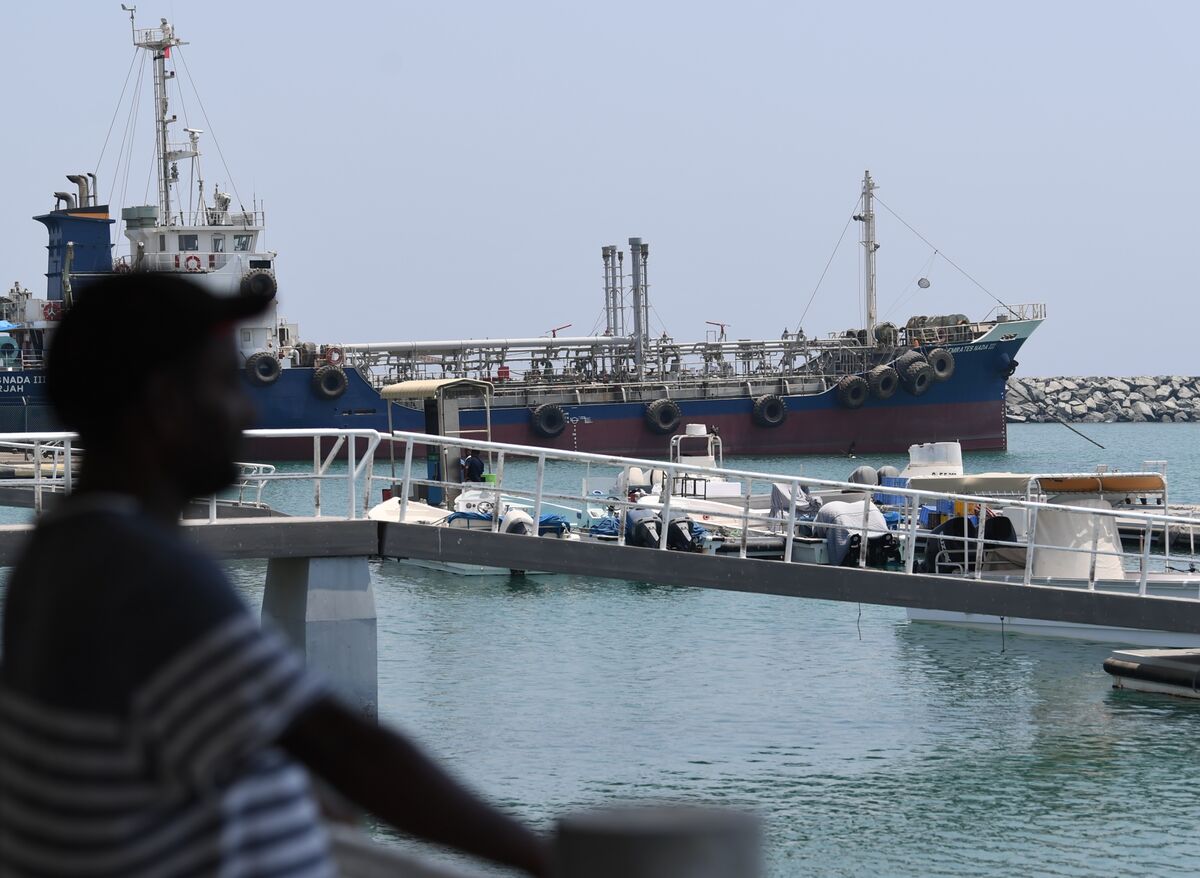
Amidst escalating conflict and military setbacks, speculation is rising that Iran may attempt to block the Strait of Hormuz, a critical waterway for approximately 25% of global oil trade. Such action, if successful, could severely disrupt oil supplies to major economies like China and Europe, potentially causing a sharp increase in oil prices and destabilizing the global economy.
The article highlights a significant geopolitical risk emanating from the ongoing conflict involving Iran. Despite reported substantial setbacks to its military capabilities due to Israeli actions, Iranian leadership under Supreme Leader Ali Khamenei signals continued defiance and threatens severe repercussions against US intervention. This has led to heightened speculation regarding a potential Iranian attempt to close or significantly disrupt shipping through the Strait of Hormuz, a vital maritime chokepoint responsible for the transit of approximately 25% of global oil supplies. Such an action would directly impact energy flows to major consumers like China and Europe, likely triggering a sharp increase in oil prices and posing a substantial threat to global economic stability. The market perceives this speculative scenario with "extremely negative" sentiment (score: -0.85) and anticipates a high market impact (score: 0.85), reflecting concerns across themes including Geopolitics & War, Energy Markets & Prices, and Trade Policy & Supply Chain.
AI-powered research, real-time alerts, and portfolio analytics for institutional investors.
Request DemoOverall Sentiment
extremely negative
Sentiment Score
-0.85
