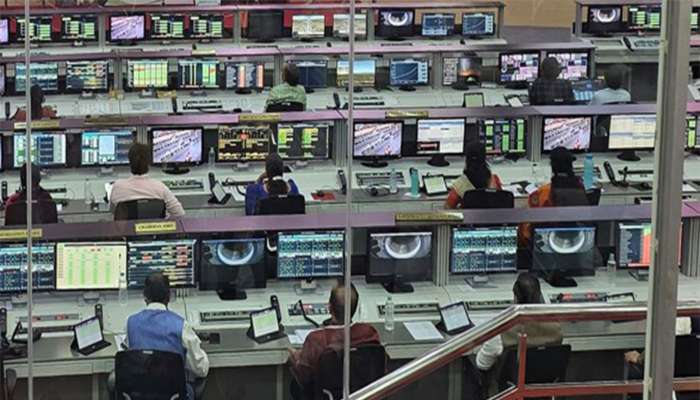
PwC recommends India pursue 'data embassies' and dedicated 'data cities'—with tax‑neutral zones, sovereign hosting protections, regulatory sandboxes and cybersecurity guarantees—to attract sovereign and institutional digital‑asset hosting. The report highlights India’s digital economy at 11.74% of GDP (USD 0.402tn) in FY22‑23, potentially rising to ~20% by FY29‑30, and sees data‑centre capacity growing from 1.5 GW today to ~14 GW by 2035 (CAGR ~20–24% between 2025–35) after a near ninefold demand increase. For investors, lower construction costs versus regional hubs and strong clean‑power potential signal capex opportunities, but meaningful upside depends on predictable tax and regulatory frameworks.
Market structure: Winners will be data‑centre operators, hyperscalers (cloud providers), renewables/PPA developers, and equipment suppliers (transformers, UPS, copper) as India scales from 1.5GW to ~14GW by 2035 (20–24% CAGR). Losers: legacy on‑prem hosting, diesel‑based operators, and countries/markets losing regulatory advantage. Expect colo pricing power to bifurcate — hyperscalers capture vertical integration benefits while neutral colos compete on tax/incentive terms.
Risk assessment: Tail risks include abrupt tax/regulatory reversals, a major cross‑border cyberattack on “data embassies,” or grid shortfalls driving power tariffs +200–300bps for data centres. Timeline: immediate (30–90 days) — watch policy announcements and PPA windows; short (3–12 months) — site wins and anchor leases; long (3–10 years) — realization of capacity and ROI. Hidden dependencies: large PPA supply, water/cooling constraints, land/SLA disputes and sovereign immunity legal frameworks.
Trade implications: Direct plays favor global data‑centre REITs (EQIX, DLR) and cloud platforms (AMZN, GOOGL) for durable demand; Indian renewables (ADANIGREEN) and strategic telecom infra (TATACOMM) are high‑beta on favourable tax regimes. Cross‑asset: expect incremental copper/transformer demand and potential INR appreciation on FDI; sovereign bond funding needs could modestly widen Indian IG spreads if capex accelerates.
Contrarian angles: Consensus overlooks execution bottlenecks (grid/water/land) that could delay monetisation by 12–36 months, and concentration risk — data cities could become systemic cyber targets raising insurance costs. Valuation risk is real: colo/supplier equities could rerate down if tax clarity is delayed; conversely, suppliers of critical kit (copper, switchgear) may be underappreciated.
AI-powered research, real-time alerts, and portfolio analytics for institutional investors.
Request DemoOverall Sentiment
moderately positive
Sentiment Score
0.45
