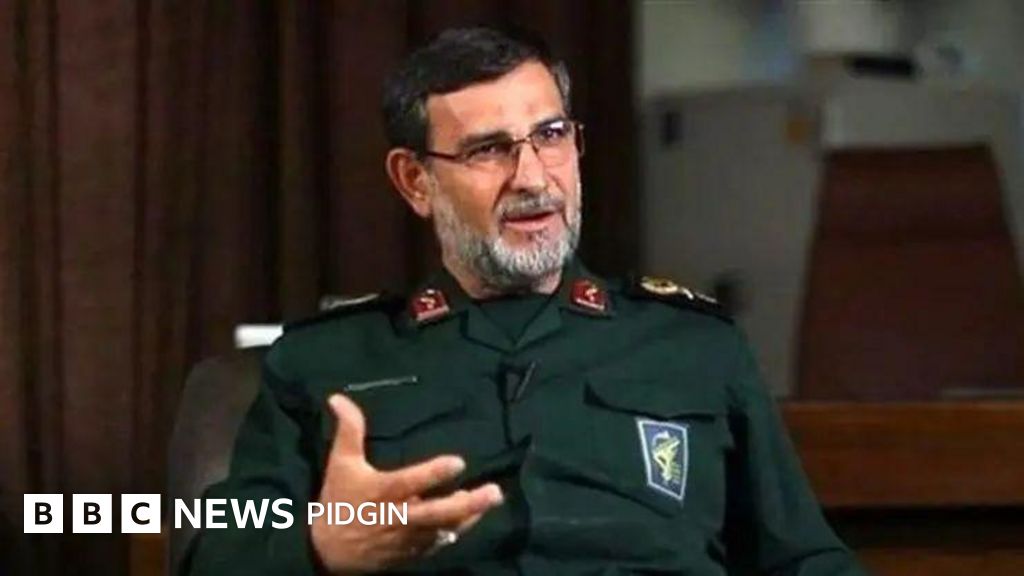
Israel announced it killed IRGC Navy commander Alireza Tangsiri and several senior naval officials; Tangsiri led the IRGC Navy since 2018 and had publicly threatened to close the Strait of Hormuz. The claim increases the risk of escalation in the Gulf and heightens the probability of disruptions or higher risk premia for shipping through the Strait of Hormuz. Monitor Iranian retaliation risk, near‑term oil-price sensitivity, and flight-to-safety flows that could pressure regional assets and push broader risk-off positioning.
This event increases short-term risk premia on Gulf-to-Asia energy flows and maritime insurance, creating a pronounced supply-shock probability over the next days-to-weeks rather than a fundamental crude shortage. Expect spot freight (VLCC/Suezmax) volatility to spike—historical analogs show dayrates can double-to-quadruple within 3–14 days of Gulf incidents—raising delivered crude/LNG landed costs to Asia by a discrete margin and pressuring refinery margins regionally.
Second-order winners include tanker equity owners (benefiting from higher spot rates), private P&I/war-risk insurers and reinsurers (whose pricing power resets), and ISR/satellite intelligence providers that win short-term government contracts; defense primes also see order optionality if navies expand escort programs. Losers extend beyond Middle Eastern exporters to energy-intensive transport & industrial sectors and regional banks with merchant-exposure; airlines and forwarders face immediate fuel hedging mark-to-market pain and route-cost increases that compress margins within a single reporting quarter.
Catalysts and risk horizons: days — tactical tanker-rate spikes and insurance repricing; weeks — convoy/escort arrangements and insurance solutions that normalize flows; 3–9 months — structural sanction expansions or persistent asymmetric attacks that materially re-route trade. Reversal triggers are diplomatic de-escalation, coordinated SPR releases or rapid institution of protected convoys; monitor ship AIS anomalies, war-risk premium indices and VLCC time-charter curves for early signals. Positioning should be asymmetric and skewed toward convex instruments that profit from episodic spikes while limiting downside if the episode fades.
AI-powered research, real-time alerts, and portfolio analytics for institutional investors.
Request DemoOverall Sentiment
moderately negative
Sentiment Score
-0.60
