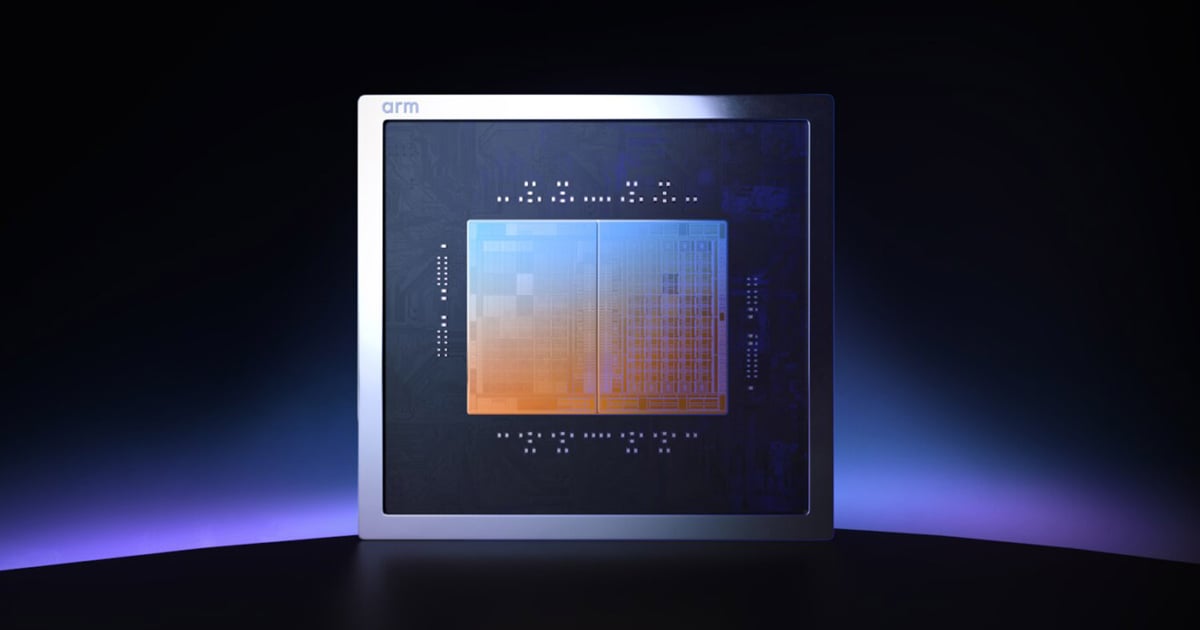
Arm launched the Arm AGI CPU, its first Arm-designed data center processor, featuring 136 Neoverse V3 cores at up to 3.7 GHz, built on TSMC 3nm with a 300W TDP and rack densities of >8,000 cores at 36 kW (air-cooled) and >45,000 cores (liquid-cooled). Meta co-developed the chip and is the first customer, with other adopters including OpenAI, Cerebras, Cloudflare, F5, SAP, SK Telecom, Positron and Rebellions; Arm projects the data center CPU opportunity could be worth >$1 trillion to the company through 2030. Analysts view the move as a smart revenue-expanding shift that could reshape Arm’s business but flag execution risks around product support, drivers, and competing with existing licensees.
If a neutral architecture licensor converts into a product supplier, the economics of the data-center stack shift from royalty flow to gross-margin capture — this creates a bifurcated vendor landscape where foundry and system-level vendors capture incremental hardware ASP upside while legacy CPU incumbents face margin compression. Expect customers without the scale to fund bespoke designs to prefer turnkey silicon, which benefits a supplier that can bundle hardware, software stacks, and support — this is a multi-year structural demand migration, not a one-quarter earnings event.
The supply-chain ripple will emphasize foundry allocation, advanced packaging, and memory/interconnect throughput. TSMC and CXL/HBM ecosystem suppliers stand to see outsized near-term order variability as customers trade off core-density against accelerator count; network ASIC and PCIe/CXL switching vendors will get contested share as rack-level orchestration becomes the value arbiter between CPU vendors.
Execution risk centers on productization: yields, system-level software (drivers, orchestration), and enterprise validation cycles — any of which can push meaningful adoption from months into multiple quarters. Regulatory and channel friction with existing licensees is a medium-term tail risk that could blunt TAM capture, while rapid custom-silicon wins by hyperscalers would cap premium pricing and force a feature-vs-price arms race.
From a valuation lens, the conversion from royalty to product revenue can justify a multiple expansion only if ~mid-single-digit market share is demonstrably locked within 12–24 months; absent that, investor enthusiasm is vulnerable to pullbacks on guidance slippage or mixed win-rate disclosures. Monitor first publicized design wins, reported rack deployments, and foundry order flow as high-signal catalysts for re-rating.
AI-powered research, real-time alerts, and portfolio analytics for institutional investors.
Request DemoOverall Sentiment
strongly positive
Sentiment Score
0.65
Ticker Sentiment
