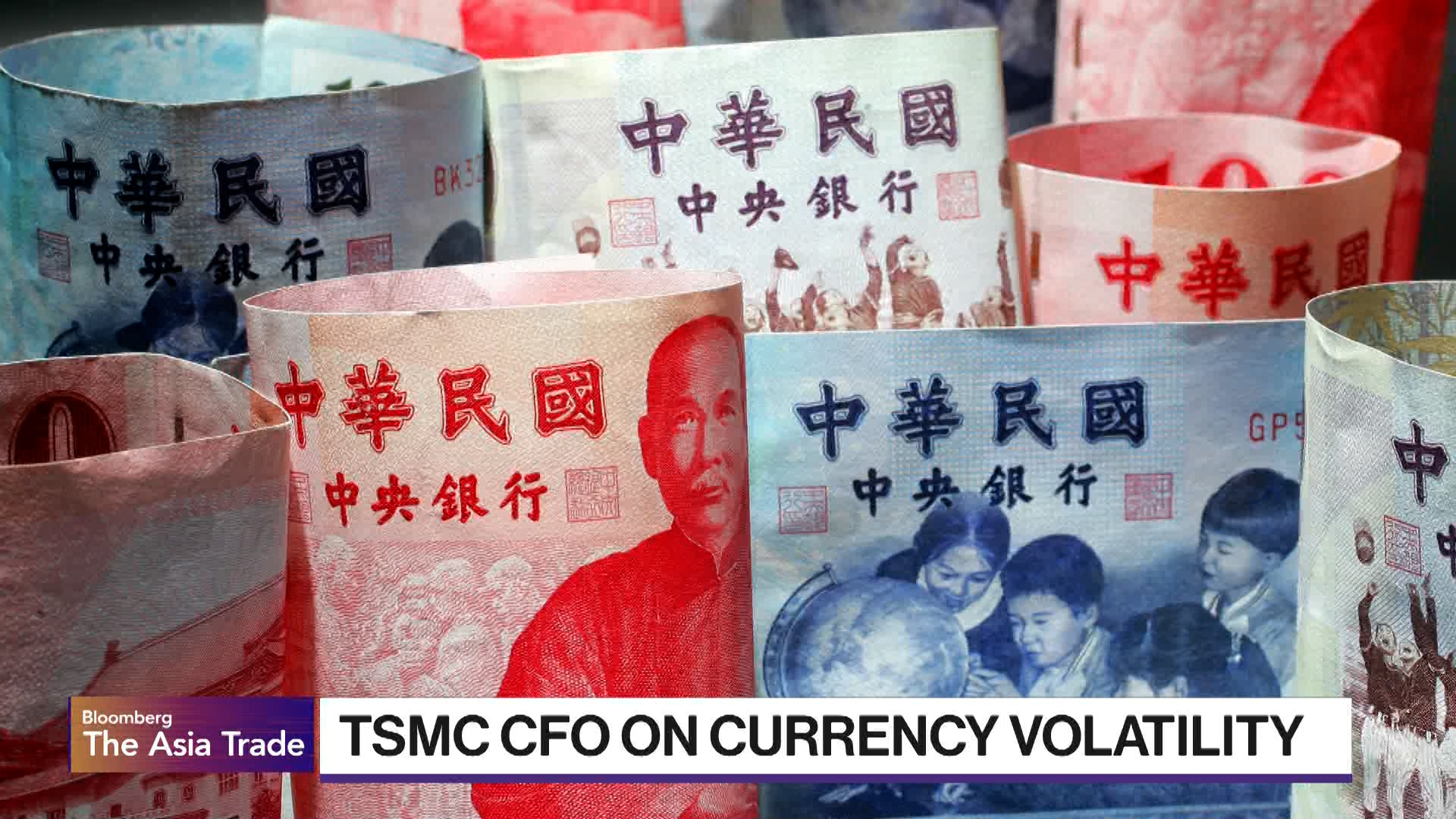
TSMC CFO Wendell Huang views currency volatility as a significant uncertainty for the company's margins, prompting continuous review of hedging strategies to mitigate its business impact and highlighting a key financial risk for the global chip giant.
Taiwan Semiconductor Manufacturing Company's (TSMC) senior management has explicitly identified currency volatility as a significant uncertainty impacting corporate margins. The statement from CFO Wendell Huang, highlighted by a negative sentiment score of -0.5 for ticker TSM, underscores that foreign exchange fluctuations are a primary financial headwind. As a global entity, TSMC's cost base and revenue streams are exposed to multiple currencies, and the CFO's admission that the company is "constantly reviewing hedging strategies" indicates this is a persistent and material risk to profitability. While not a new disclosure, this public reaffirmation frames currency management as a critical variable for the company's financial performance and a key factor that can introduce unpredictability into its earnings forecasts, directly affecting its fundamental outlook.
AI-powered research, real-time alerts, and portfolio analytics for institutional investors.
Request DemoOverall Sentiment
mildly negative
Sentiment Score
-0.35
Ticker Sentiment
