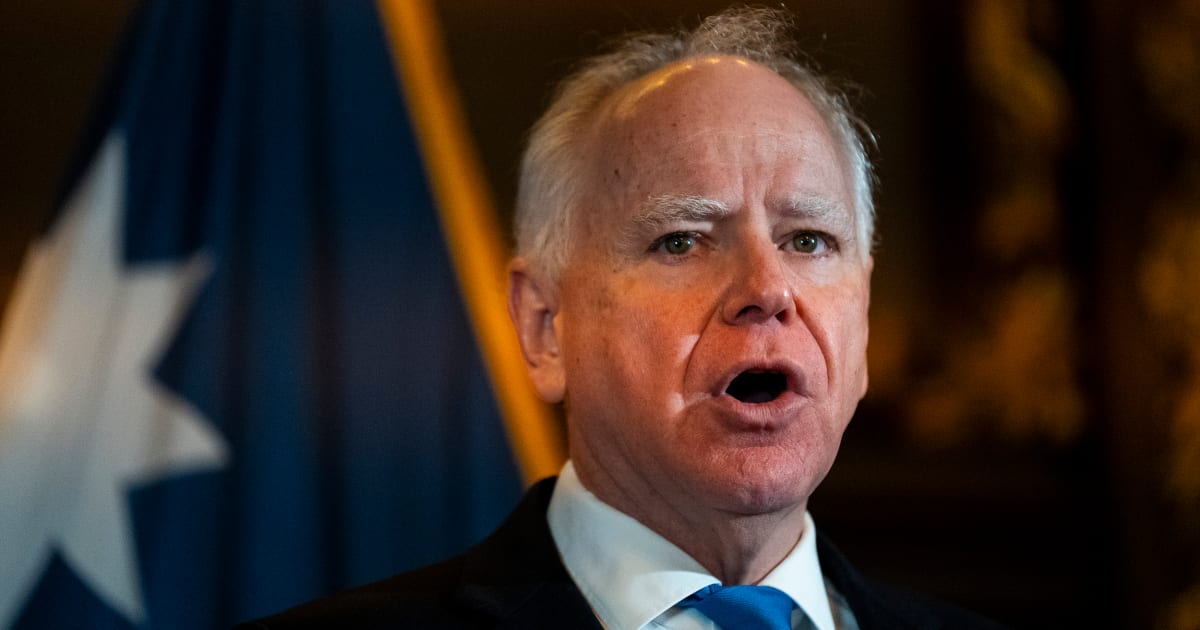
Federal prosecutors previously uncovered aid-fraud wrongdoing in Minnesota and charged dozens of suspects, but recent amplified right‑wing messaging and false claims have turned the episode into a larger political controversy that contributed to Governor Tim Walz's decision not to seek reelection. The piece notes no evidence linking Walz to corruption, criticizes the amplification of conspiracy-laden accusations (including by former President Trump), and highlights increased political and reputational risk for Minnesota politics while implying limited direct financial market implications.
Market structure: The story primarily redistributes attention and ad dollars toward right‑leaning media and social platforms; expect incremental traffic gains for Fox Corp (FOXA) and News Corp (NWSA) over 3–6 months, and higher engagement metrics for Meta (META) in conservative feeds. Real economic disruption is limited—state‑level political churn can modestly raise local financing costs (Minnesota muni spreads) but will not materially alter national corporate earnings or commodity demand absent escalation.
Risk assessment: Tail risks include DOJ reopening broad state‑level probes or coordinated federal actions that could hit Minnesota incumbents (UNH, USB) reputationally; probability low (<10%) but impact could compress local credit spreads by 20–50bp over 1–3 months. Hidden dependencies: regional banks and large HQ employers (U.S. Bancorp, UnitedHealth) concentrate state political exposure; second‑order hiring freezes or contract reviews could shave 1–3% off near‑term revenue in worst cases. Key catalysts: new indictments or resignations (48–72 hours market shock), high‑profile social amplification within 30 days.
Trade implications: Favor small, tactical longs in conservative media (FOXA, NWSA) via 3–6 month call spreads sized 1–2% portfolio; hedge MN exposure by buying 3‑month 5% OTM puts on UNH/USB equal to 1% portfolio if positions exceed that. Reduce state muni exposure: underweight Minnesota GO bonds by 50bp of municipal allocation and shift to broad ETF MUB; maintain 0.5–1% tail hedge in GLD or 2–3 year TLT if political noise escalates.
Contrarian angles: Consensus overstates systemic risk—unless DOJ produces new evidence, drawdown should be short lived (weeks). If market overreacts, ripe opportunity to buy quality MN‑HQ names on >5% pullbacks; historical parallels (state scandals in 2010s) show 30–90 day mean reversion. Watch for misguided selloffs in regional banks or UNH as entry points if spreads widen >30bp or stock falls >5% in 48 hours.
AI-powered research, real-time alerts, and portfolio analytics for institutional investors.
Request DemoOverall Sentiment
neutral
Sentiment Score
-0.10
