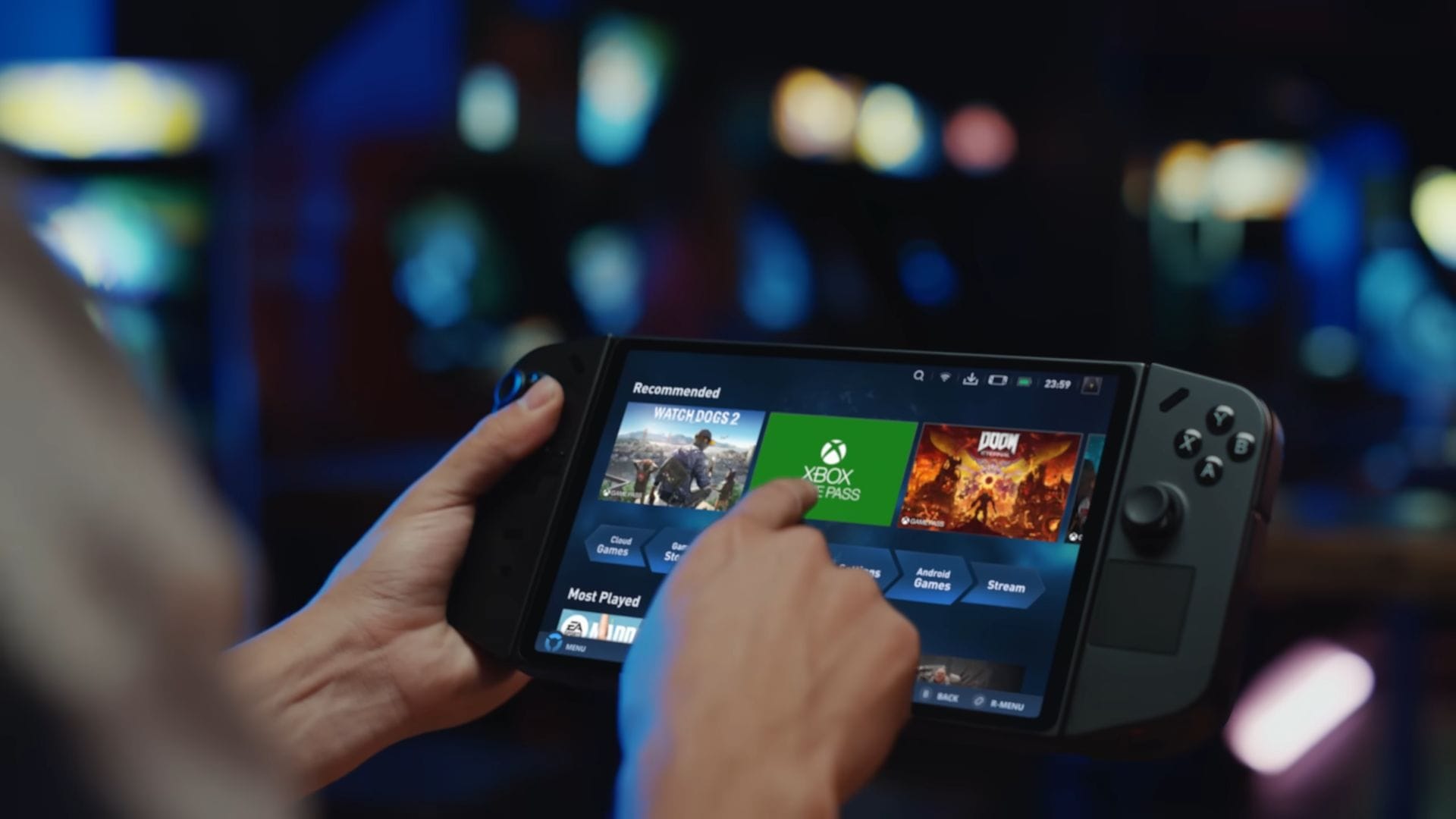
A regional Lenovo support message indicates the original Legion Go (Ryzen Z1 Extreme) will not receive additional Lenovo-validated BIOS or driver updates and cannot use Legion Go S firmware/drivers interchangeably, shifting affected users toward AMD’s universal drivers or Windows-distributed drivers. While the device remains functional and no global end-of-support has been declared, the development raises potential compatibility, performance and product-lifecycle concerns that could influence customer sentiment and OEM-dependent purchase decisions.
Market structure: This is a product-specific support withdrawal that mainly hurts Lenovo Legion Go owners and aftermarket resale/value (likely a localized demand shock under 1–2% of Lenovo’s total PC revenue), while increasing reliance on AMD’s universal drivers — a marginal positive for AMD’s software footprint but not material to semiconductor revenue. Channel winners include third-party refurbishers and competitors (ASUS ROG, Razer) that can advertise better long-term support; OEMs with stronger longevity guarantees gain pricing power in the premium handheld niche over 6–18 months.
Risk assessment: Near-term risk is reputational/secondary-demand (days–weeks) if Lenovo issues a global EoL; medium-term (3–12 months) risk is inventory markdowns and warranty cost reallocation. Tail risks include regulatory/class-action complaints over misleading support claims or a critical AMD driver bug that disproportionately affects OEMs (low-probability, high-impact). Hidden dependency: many enterprise/retail buyers prize OEM-validated drivers — loss of that validation can reduce repeat purchase rate by a measurable single-digit percent in the gaming subsegment.
Trade implications: Tactical trades should be small and event-driven. Favor a modest directional overweight to AMD (ticker AMD) via defined-risk options to capture any positive narrative if AMD ramps universal-driver messaging; consider a conservative short or underweight of Lenovo exposure (ADR LNVGY or 0992.HK) sized 1–3% of portfolio to reflect brand risk with a 6% stop. Rotate 0.5–1% into competitor OEMs with stronger support claims (ASUS 2357.TW / RAZFF) if Lenovo issues formal global EoL within 14 days.
Contrarian angles: The market may overstate strategic impact — historical parallels (OEM EoL of niche devices) show little semiconductor earnings impact but material brand/used-price effects. If overreaction occurs (Lenovo stock down >5% on a global EoL), that would create a short-term value opportunity to cover; conversely, an AMD-led compatibility rollout could lift AMD shares 3–7% in 1–3 months. Monitor volume and official statements 7–14 days for mispricing opportunities.
AI-powered research, real-time alerts, and portfolio analytics for institutional investors.
Request DemoOverall Sentiment
mildly negative
Sentiment Score
-0.25
Ticker Sentiment
