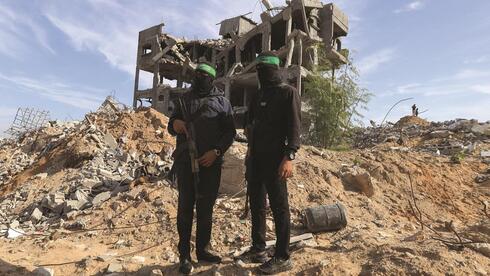
The U.N.-backed Gaza plan remains stalled, with Hamas refusing verified disarmament and no breakthrough from March-April talks in Cairo and Istanbul. Aid flows have improved by more than 70%, with nearly 300,000 tons delivered and $17 billion pledged for reconstruction, but the gap between pledges and actual transfers remains large. The report warns that reconstruction, Israeli withdrawal and the stabilization force all depend on disarmament, leaving the ceasefire and broader political framework fragile.
The market implication is less about immediate reconstruction upside and more about optionality being deferred. Until there is verifiable disarmament, the entire capital stack remains “permissioned” rather than investable: aid can flow, but heavy reconstruction, utilities buildout, cement/aggregates demand, ports/logistics expansion, and stabilization-force logistics all sit behind a political gate. That makes the near-term winners the intermediaries that monetize coordination and delivery friction, not the eventual rebuild beneficiaries.
The second-order effect is that delays likely concentrate value in humanitarian logistics, security, and diplomatic infrastructure while suppressing the broader EM recovery trade. If the ceasefire remains fragile for 1-3 months, capital will continue to sit on the sidelines waiting for enforcement clarity, which usually compresses contractor bids and delays purchase orders across materials, engineering, and transport. The risk is not just renewed conflict; it is a prolonged “neither war nor peace” state that burns through pledged funding credibility and keeps local employment and demand in permanent relapse.
The key contrarian read is that pledged reconstruction sums can still create a tradable signal even before disbursement, because the first capital to move will likely be for enabling infrastructure, not housing. That favors firms with exposure to border management, inspection, temporary shelter, water treatment, and secure logistics over classic post-conflict rebuild names. Conversely, the biggest disappointment risk is for investors expecting a fast catch-up in regional EM risk assets: without a governance breakthrough, this becomes a sequencing problem, not a size problem.
Catalyst watch: a verified NCAG entry into Gaza or any formal disarmament framework would rapidly re-rate the whole theme within days; failure by the next negotiating window likely pushes the trade out by quarters. The highest-conviction risk remains asymmetric: downside from ceasefire breakdown is immediate, while upside from reconstruction is delayed and heavily contingent.
AI-powered research, real-time alerts, and portfolio analytics for institutional investors.
Request DemoOverall Sentiment
mildly negative
Sentiment Score
-0.20
