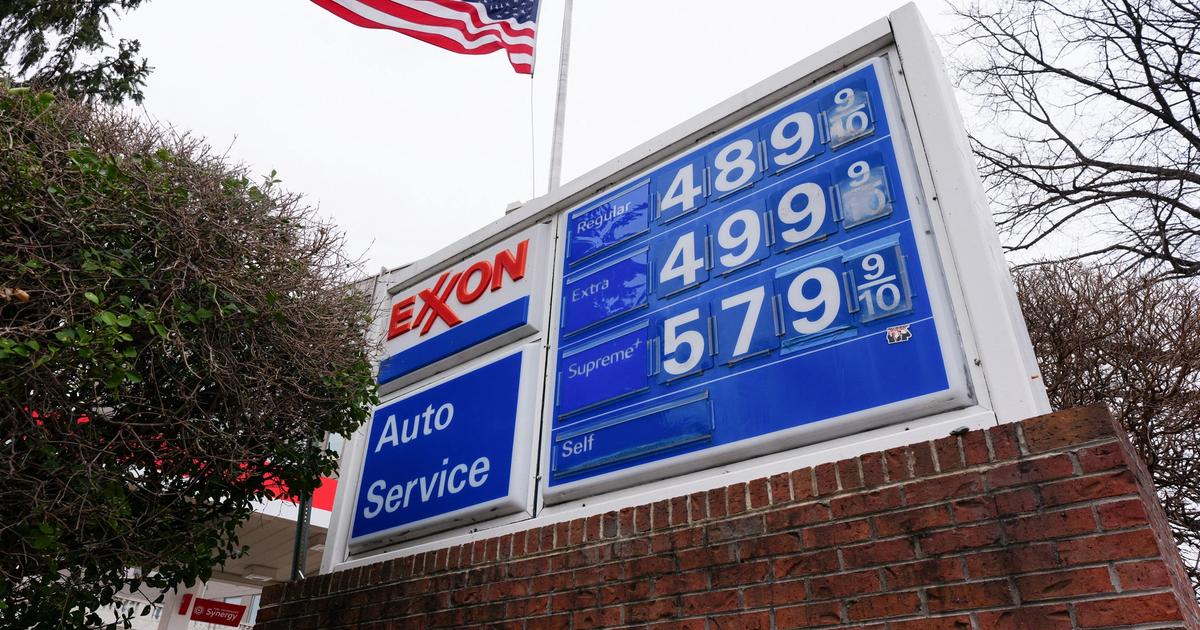
A prolonged Strait of Hormuz closure could trigger a historic energy shock, with Morgan Stanley warning oil may exceed $130 a barrel if no agreement is reached by late June. JPMorgan said refined-product shortages could be most severe, with US gasoline prices potentially reaching $5 a gallon from below $3 in February. The risk has already prompted a shift toward coal in Asia, underscoring broad implications for energy markets and inflation.
The market is still underpricing the sequencing risk: the first-order move is crude, but the second-order squeeze is in middle distillates, aviation fuel, diesel, and petrochemical feedstocks. That matters because product scarcity transmits faster to inflation than headline Brent and hits transportation, logistics, and heavy industry before upstream energy equities fully re-rate. If the disruption persists into late June, the better trade is not just long oil beta; it is long product spreads and inflation protection, because the pass-through to consumer prices can force policy responses before physical crude balances normalize.
The equity winners are concentrated and time-sensitive. Integrated producers with large refining and trading exposure can outperform pure upstream names if product margins spike, while airlines, parcel delivery, trucking, chemicals, and discretionary retail face margin compression from fuel and input costs. Coal is a short-term beneficiary in Asia, but that also raises the risk that gas-to-coal switching reduces near-term LNG demand expectations, which could pressure gas-linked equities and shipping names exposed to LNG routes.
The key catalyst window is days to weeks, not quarters: the market will likely oscillate on diplomacy headlines until inventories and product stocks become visible in data. A diplomatic de-escalation could unwind a good chunk of the risk premium quickly, but the tail risk is asymmetric because shipping insurance, route changes, and precautionary inventory builds can keep refined-product tightness elevated even after crude retraces. The consensus is too focused on $130 oil as the headline, missing that refined products and inflation-sensitive sectors can inflict more immediate P&L damage.
Contrarian view: if traders believe strategic reserves, US exports, and spare logistics capacity cap the move, then the opportunity is in volatility, not direction. The setup favors owning convexity into the June event while fading the idea that crude itself must make a straight-line move higher; product cracks, tanker rates, and inflation breakevens may be cleaner expressions of the shock than outright Brent.
AI-powered research, real-time alerts, and portfolio analytics for institutional investors.
Request DemoOverall Sentiment
strongly negative
Sentiment Score
-0.72
Ticker Sentiment
