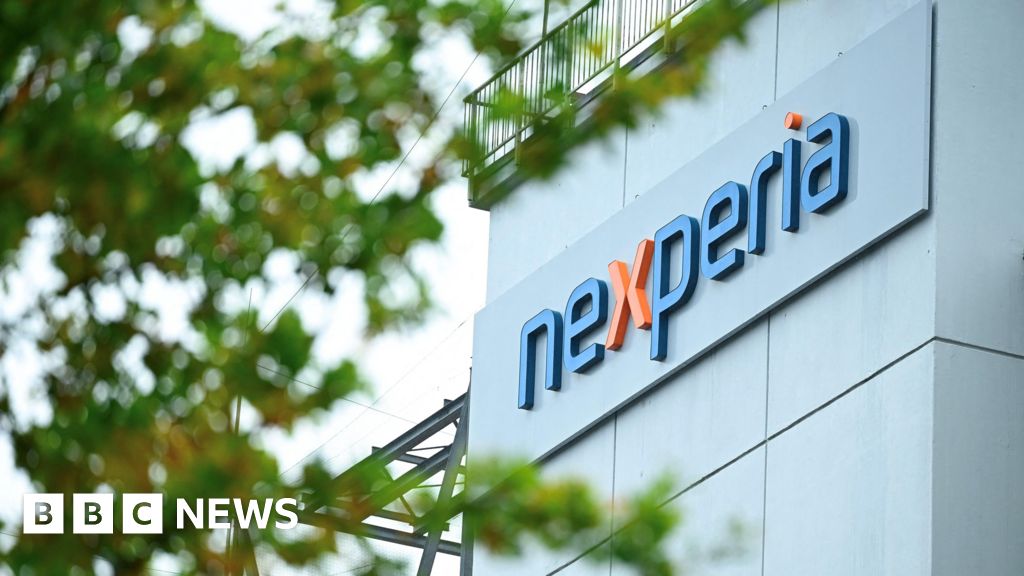
China has lifted export controls on computer chips produced by Chinese-owned Nexperia for civilian use, a critical development that alleviates immediate supply chain concerns for European carmakers like Volvo, Volkswagen, and Jaguar Land Rover, who had anticipated production disruptions. This exemption, which follows EU engagement and a broader US-China trade deal, reverses China's earlier block on Nexperia exports imposed after the Dutch government took control of the company citing governance issues and supply security. While restoring vital semiconductor flows to the automotive industry, China's commerce ministry continues to urge the EU to address the Netherlands' actions, signaling persistent geopolitical tensions despite the resolution of the chip shortage.
China has lifted its export controls on Nexperia chips for civilian use, immediately alleviating imminent supply shortages for European carmakers. This reversal, announced by EU trade commissioner Maros Sefcovic, directly addresses warnings from the EMEA and concerns from Volvo Cars, Volkswagen, and Jaguar Land Rover regarding potential plant shutdowns. The exemption ensures restoration of vital semiconductor flows, particularly as 70% of Nexperia's European-made chips are processed in China.
The initial export block by China responded to the Dutch government's October takeover of Nexperia, citing "serious governance shortcomings" and a need to safeguard European semiconductor supply. While the current easing is linked to EU engagement and a broader US-China trade deal, China's commerce ministry continues to pressure the EU to influence the Netherlands to "correct its erroneous practices." This signals persistent underlying geopolitical tensions.
This resolution demonstrates the delicate balance between national security, supply chain resilience, and international trade in the semiconductor industry. The incident highlights global supply chain vulnerability to geopolitical disputes and regulatory actions. While the immediate crisis is averted, China's ongoing call for EU intervention suggests future semiconductor flow stability remains subject to diplomatic and regulatory developments.
AI-powered research, real-time alerts, and portfolio analytics for institutional investors.
Overall Sentiment
strongly positive
Sentiment Score
0.65
