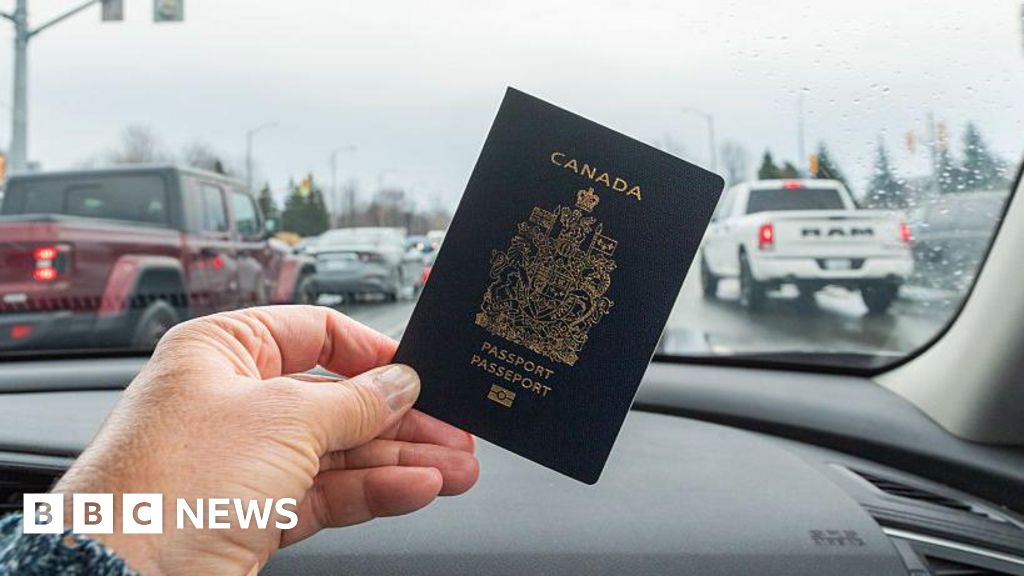
Canada has enacted “Lost Canadians” rules that restore automatic citizenship to children born or adopted abroad to a Canadian parent also born outside Canada, provided the parent demonstrates a “substantial connection” by having spent at least three years in Canada before the child’s birth or adoption. The change follows a 2023 Ontario Superior Court ruling that parts of the 2009 law restricting citizenship by descent were unconstitutional; Immigration, Refugees and Citizenship Canada expects applications could number in the tens of thousands (the Parliamentary Budget Officer estimated about 115,000 over five years). The move triggered political pushback—Conservatives and the Bloc unsuccessfully sought amendments for stricter language and security checks—and has already enabled cases such as British-born footballer Alfie Jones to gain Canadian nationality.
Canada enacted the ‘‘Lost Canadians’’ regulations restoring automatic citizenship to children born or adopted abroad to a Canadian parent who was also born outside Canada, conditional on the parent proving a "substantial connection" by having spent at least three years in Canada prior to the child’s birth or adoption. The change implements a 2023 Ontario Superior Court ruling that found parts of the 2009 law removing automatic citizenship by descent to be unconstitutional; the current Liberal government did not appeal the decision and characterized the prior outcomes as unacceptable.
Immigration, Refugees and Citizenship Canada (IRCC) does not have a precise headcount but expects applications could be in the tens of thousands; the Parliamentary Budget Officer estimated roughly 115,000 people could be affected over five years. Political opposition materialized—Conservative MP Michelle Rempel Garner and the Bloc sought stricter amendments including language and security requirements, but those proposals failed in the House, and at least one high-profile beneficiary (footballer Alfie Jones) has already been able to claim citizenship.
The primary near-term implications are administrative and political: IRCC workload and budgetary exposure may rise if applications approach PBO estimates, and sustained partisan disagreement raises the risk of future legislative tweaks. Market impact is likely limited and sector-specific, but investors should monitor updated application volumes, PBO/IRCC cost and processing guidance, and any subsequent parliamentary activity that could alter the scope of the change.
AI-powered research, real-time alerts, and portfolio analytics for institutional investors.
Request DemoOverall Sentiment
neutral
Sentiment Score
0.00
