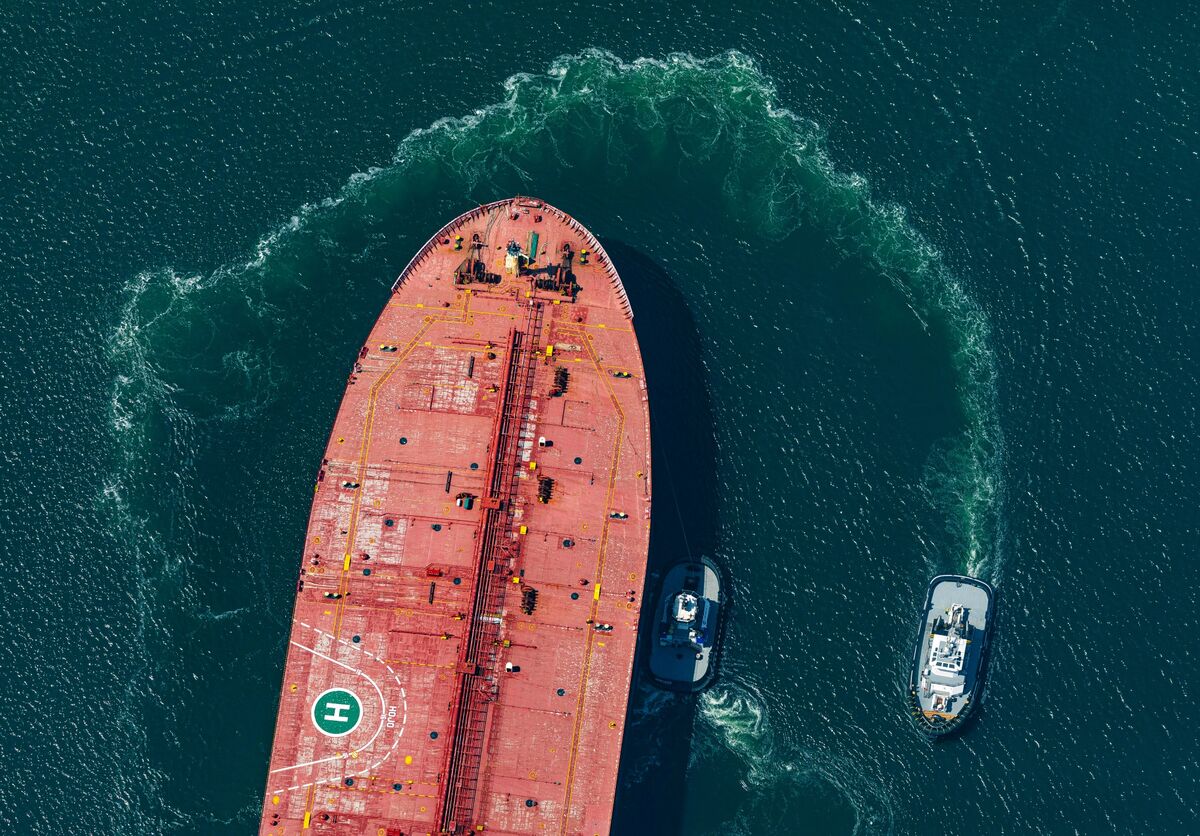
Expensive tanker rates, fueled by increased Chinese crude purchases to utilize year-end import quotas and traders positioning for more OPEC+ supply, are pressuring US oil flows to Asia. This surge in demand for supertankers is reducing vessel availability and inflating shipping costs, potentially making US crude too expensive for Asian buyers.
Elevated tanker rates are creating a significant headwind for US crude oil exports to Asian markets, threatening their price competitiveness. The surge in freight costs is driven by a confluence of factors, notably a sharp increase in vessel demand from Chinese refiners who are accelerating crude purchases to utilize year-end import quotas. This activity, compounded by traders securing tankers in anticipation of a potential increase in OPEC+ supply, has tightened the availability of supertankers for long-haul voyages from the Americas. The resulting inflation in shipping costs directly impacts the landed price of US crude in Asia, potentially making it economically unviable compared to alternative sources and posing a moderately negative risk to US export volumes.
AI-powered research, real-time alerts, and portfolio analytics for institutional investors.
Request DemoOverall Sentiment
moderately negative
Sentiment Score
-0.50
