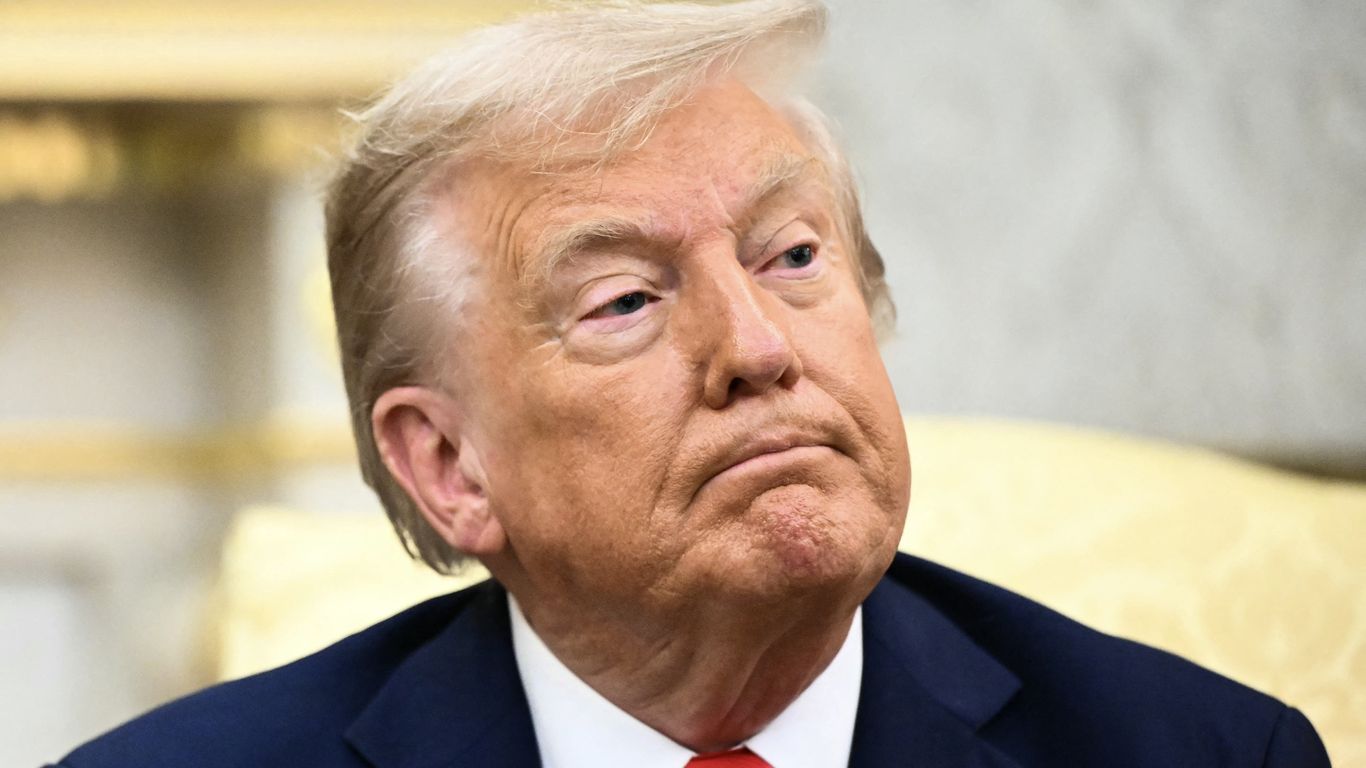
President Trump, during a White House summit with South Korean President Lee Jae Myung, expressed his desire to meet North Korean leader Kim Jong-un again this year, emphasizing their 'great relationship.' This potential resumption of high-level U.S.-North Korea dialogue comes despite North Korea's continued nuclear advancements and past failed denuclearization efforts, including the abrupt conclusion of the 2019 Hanoi summit over sanctions. The stated intent highlights the ongoing complexities of geopolitical stability on the Korean Peninsula.
Former President Trump's expression of intent to meet with North Korean leader Kim Jong-un introduces a significant geopolitical variable, signaling a potential revival of high-level diplomatic engagement. This development is set against a complex backdrop: North Korea has continued to advance its nuclear capabilities since the last talks, and the 2019 Hanoi summit collapsed over disagreements on U.S. sanctions. The current approach, heavily reliant on the personalized relationship between Trump and Kim, contrasts with Pyongyang's recent rebuffs of diplomatic overtures from South Korea and its public dismissal of denuclearization demands as a 'mockery'. While South Korean President Lee Jae Myung is actively encouraging the dialogue in pursuit of peace, the fundamental disagreements that previously derailed negotiations, particularly regarding sanctions relief in exchange for denuclearization steps, remain unresolved. The situation, therefore, represents a potential but highly uncertain catalyst for de-escalation on the Korean Peninsula, with any future summit's success contingent on overcoming these persistent obstacles.
AI-powered research, real-time alerts, and portfolio analytics for institutional investors.
Request DemoOverall Sentiment
neutral
Sentiment Score
0.00
