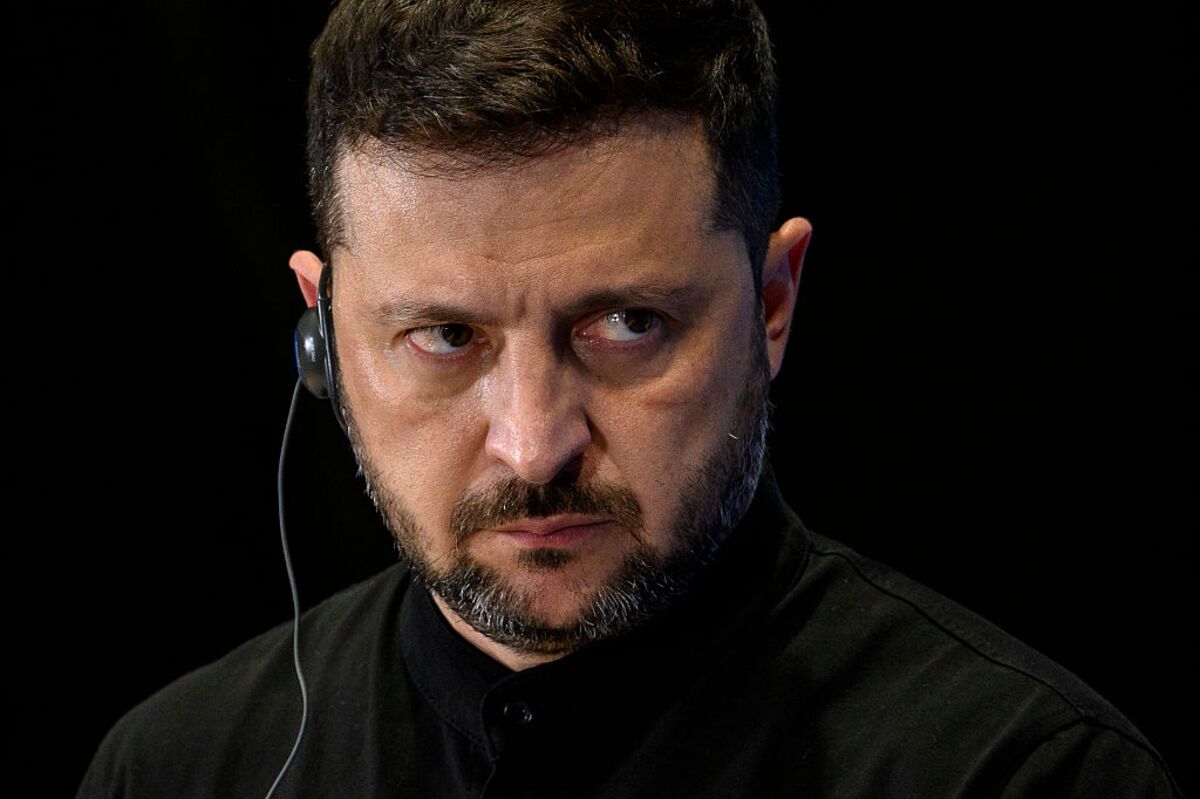
Ukrainian President Volodymyr Zelenskiy recently reversed his controversial attempt to seize control of the nation's anti-corruption agencies, a significant misstep that has reportedly tarnished his previously heroic wartime image. This U-turn, while averting a potential disaster, underscores persistent governance concerns and highlights the fragility of his political standing, reminding observers of his low pre-invasion approval ratings and potentially impacting investor confidence regarding political stability and reform efforts in Ukraine.
The recent reversal of Ukrainian President Volodymyr Zelenskiy's decision to control national anti-corruption agencies signals significant underlying political risk and governance concerns. While the U-turn averted a more severe institutional crisis, the initial attempt has reportedly damaged his wartime leadership image and re-exposed the political fragility evident in his pre-invasion approval ratings, which stood at approximately 25%. This event serves as a critical reminder that President Zelenskiy's immense international stature is heavily dependent on his wartime conduct and may not reflect a stable domestic political mandate. For investors, this incident introduces uncertainty regarding the long-term commitment to institutional reforms and the rule of law, which are crucial for attracting and retaining foreign capital.
AI-powered research, real-time alerts, and portfolio analytics for institutional investors.
Request DemoOverall Sentiment
neutral
Sentiment Score
0.00
