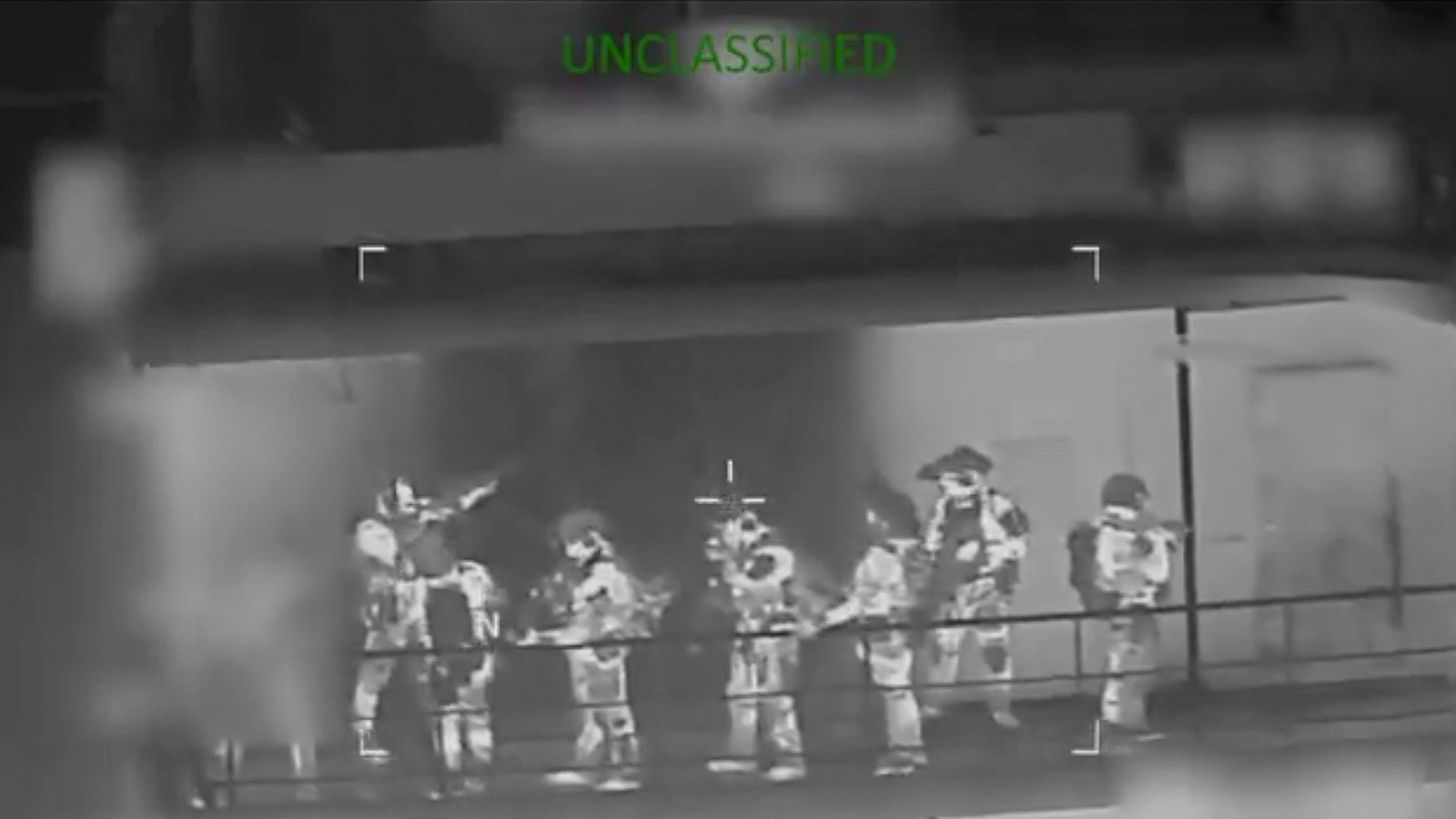
U.S. forces, led by the Coast Guard with military support, executed predawn boardings and seized the Russian-flagged Marinera (formerly Bella-1) in the North Atlantic and a second tanker, Sophia, in international waters near the Caribbean; U.S. European Command and the Department of Homeland Security confirmed the operations. The Marinera had been tracked for weeks, was relisted as Russian on Dec. 31, previously flew a false Panamanian flag, was subject to U.S. sanctions in 2024 for carrying Hezbollah-owned cargo and alleged support to Iran, and is linked to Venezuela — actions that increase scrutiny of “shadow fleet” shipping and raise geopolitical risk and potential disruption to sanctioned oil flows.
Market structure: Immediate winners are publicly listed tanker owners and brokers (expected to capture higher Time-Charter (TC) rates) and energy majors with flexible trading desks; losers include operators of the “shadow fleet,” insurers/reinsurers and refiners relying on discounted sanctioned crude because of rising insurance/premium costs. Pricing power shifts toward vessel owners and P&I clubs — expect TC rate moves of +15–35% over 1–3 months if routing/insurance frictions persist, and an oil risk premium equivalent to roughly $1–3/bbl (1–3%) near-term.
Risk assessment: Tail risks include Russian naval or cyber retaliation and wider maritime interdiction (probability estimate 10–25% over 3 months) that could cause multi-week delivery disruptions and a >$5/bbl shock. Timeline: immediate (days) = volatility spike in oil, FX (USD up) and gold; short-term (weeks–months) = elevated freight/insurance costs and structural rerouting raising tanker demand; long-term (quarters) = tighter sanctioned-oil access and higher working fleet requirements, supporting TC floors.
Trade implications: Direct plays favor tanker equity longs (DHT, FRO, EURN) and selective energy majors (XOM, CVX) with volatility hedges; buy structured Brent call spreads or OVX calls to limit premium outlay. Cross-asset: expect safe-haven flows into USTs and gold (trade 2–4 week hedges), USD strength vs RUB/EUR; monitor Baltic Dirty Tanker Index and insurance premium notices as entry triggers.
Contrarian angles: Consensus focuses on geopolitical headlines but underestimates structural uplift to tanker demand from forced rerouting — this supports a 3–6 month overweight in tanker names rather than short oil exposure. Reaction is likely underdone for shipping/insurance exposures and overdone for immediate oil supply fears; historical parallels (2019–20 sanctions-era shadow fleet frictions) show sustained freight-rate premiums for 3–9 months, not just days, creating a window to buy volatility-protected exposure.
AI-powered research, real-time alerts, and portfolio analytics for institutional investors.
Request DemoOverall Sentiment
moderately negative
Sentiment Score
-0.35
