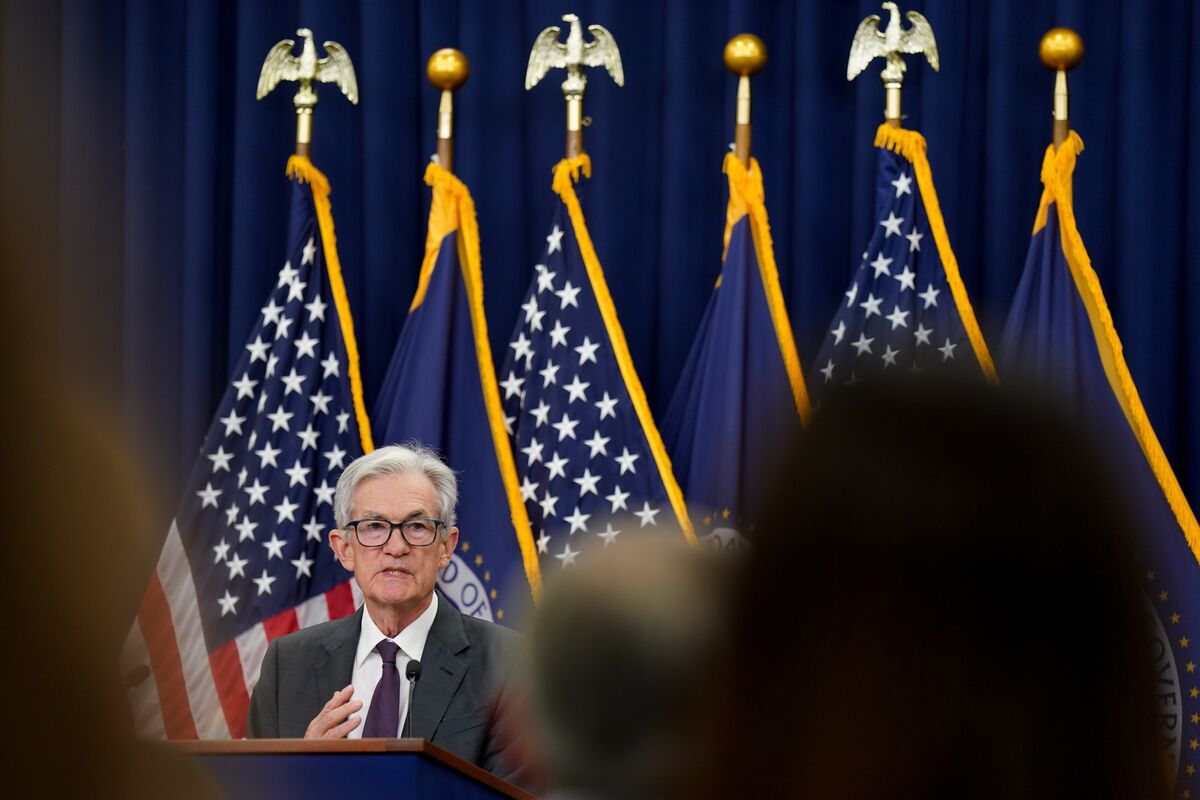
President Donald Trump expressed dissatisfaction with the Federal Reserve's decision to maintain interest rates, reiterating his argument that lower rates are crucial for unlocking the housing market. This ongoing pressure underscores the political scrutiny on monetary policy and its perceived influence on housing affordability.
The Federal Reserve's decision to hold interest rates steady has drawn public criticism from President Donald Trump, who posits that rate cuts are essential to stimulate what he characterizes as a "frozen housing market." The core of this report is an examination of the linkage between Fed monetary policy and housing affordability, a topic of significant debate. This dynamic highlights the ongoing political pressure being exerted on the central bank's policy-making process. The neutral sentiment and moderate market impact score reflect that while this tension is a known market factor, its persistence creates a layer of political uncertainty over future monetary policy, directly implicating the housing, real estate, and financial sectors.
AI-powered research, real-time alerts, and portfolio analytics for institutional investors.
Request DemoOverall Sentiment
neutral
Sentiment Score
0.00
