The Russian central bank has launched arbitration proceedings in Moscow against Euroclear seeking damages over €185 billion in immobilised assets as the EU advances a plan to channel frozen Russian sovereign assets into a zero‑interest reparations loan for Ukraine; the European Commission dismissed the suit as speculative, reiterated the proposal is legally robust and said all European institutions will be protected. The Commission highlighted that the EU has controlled about €210 billion in Russian assets since 2022 and outlined offset mechanisms (for example, losses on €17 billion held in Russia could be offset against roughly €30 billion held by Russia’s National Settlement Depository in the EU) and state‑to‑state safeguards intended to address concerns from opponents such as Belgium. The dispute signals likely legal pushback that could delay or complicate implementation, but the new emergency immobilisation rules and proposed offsets aim to limit near‑term asset releases and blunt retaliation risk.
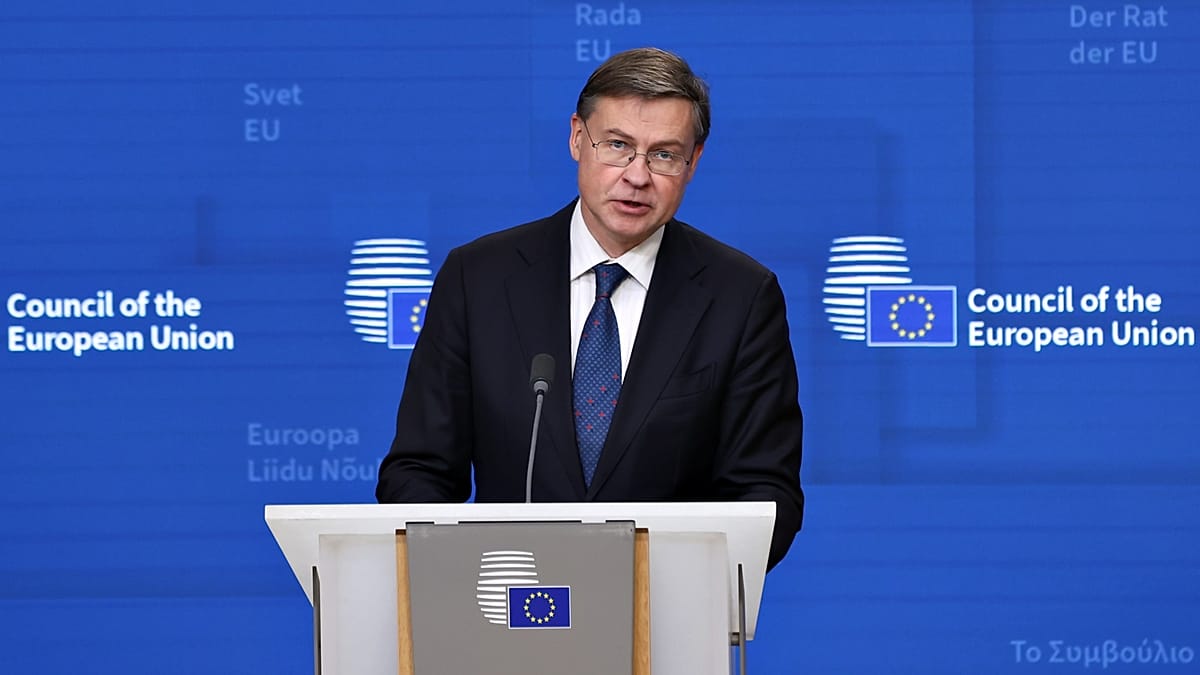
The Russian Central Bank has opened arbitration proceedings in Moscow against Euroclear seeking recovery of damages over €185 billion of immobilised assets, while the EU advances a proposal to channel frozen Russian sovereign assets into a zero‑interest reparations loan for Ukraine with a key decision scheduled on 18 December. The lawsuit was described by the European Commission as speculative and groundless; Commissioner Valdis Dombrovskis asserted the proposal is legally robust and highlighted that the EU has controlled about €210 billion in Russian assets since February 2022.
The Commission outlined concrete offset and protection mechanisms intended to blunt retaliation and operational losses—for example allowing Euroclear to offset a hypothetical €17 billion loss on Russian soil against roughly €30 billion held by Russia’s National Settlement Depository within the EU—and a state‑to‑state offset to protect member states such as Belgium. Euroclear has previously labelled the reparations loan legally fragile, and Belgium remains a notable political opponent, so legal and political pushback is credible.
The emergency immobilisation clause, which conditions release on Russia ceasing actions and paying reparations without economic consequences, sets a very high bar and makes near‑term asset release unlikely. The combination of active litigation, political opposition and potential Russian retaliation elevates legal, operational and political risk for European custodians and related financial institutions and creates modestly negative sentiment for markets sensitive to sanctions and cross‑border settlement disruption.
AI-powered research, real-time alerts, and portfolio analytics for institutional investors.
Request DemoOverall Sentiment
mildly negative
Sentiment Score
-0.30
