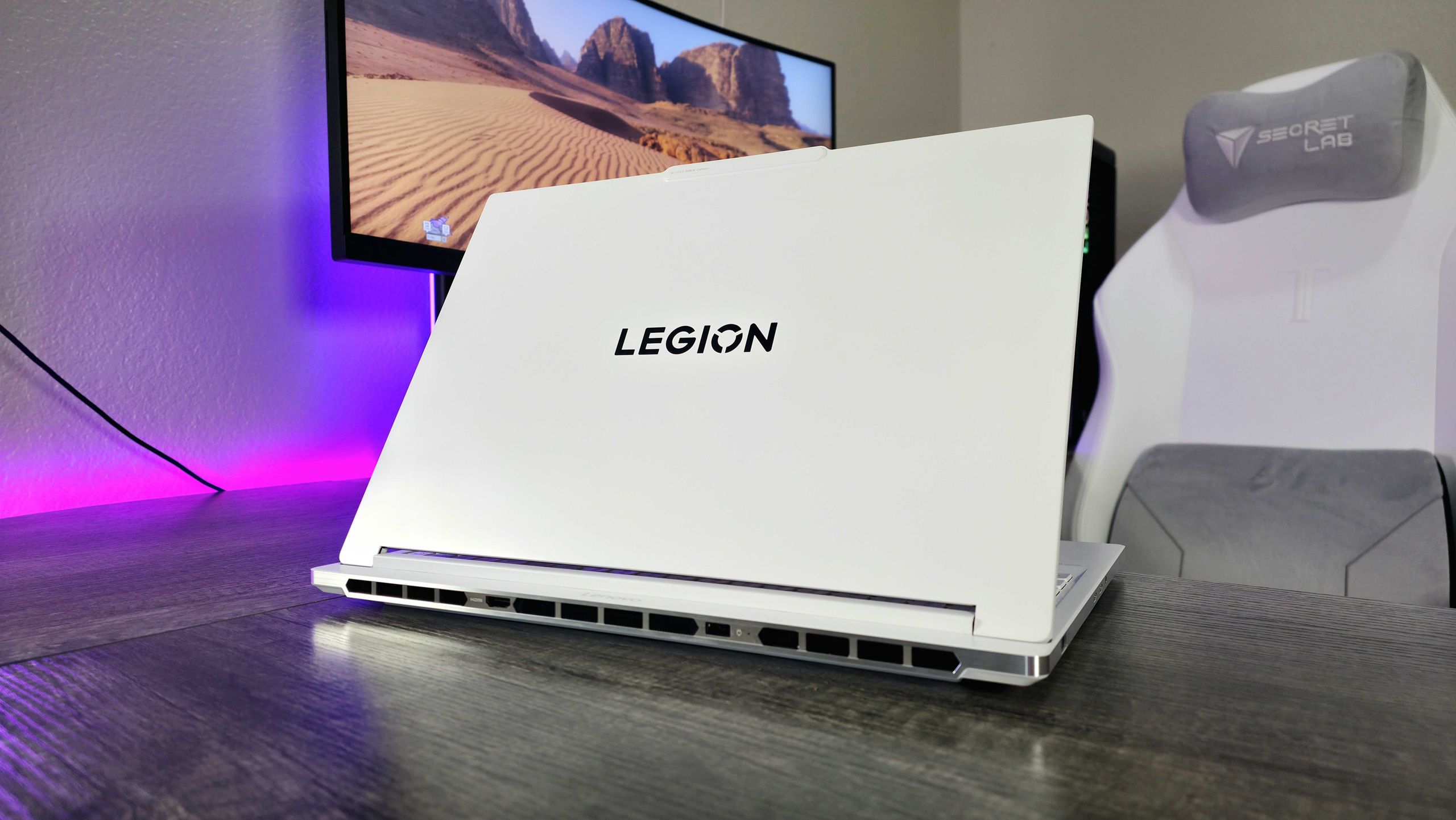
NVIDIA is reportedly developing an N1X Arm SoC for Windows laptops, with Lenovo support-page leaks naming models (e.g., Legion 7 15N1X11, Yoga 9 16N1X11, several IdeaPad/Yoga variants) and supply-chain reports suggesting a Q1 2026 launch. Leaked specifications point to as many as 20 ARM cores and an integrated Blackwell GPU with 6,144 CUDA cores—performance compared to a desktop-class RTX 5070—while Microsoft is preparing a Windows 11 26H1 (Bromine) update and Xbox-on-Arm emulation to enable the platform.
Market structure: NVIDIA (NVDA) stands to gain share and pricing power in premium Windows-on-Arm laptops, benefiting OEMs named (Lenovo/LNVGY) and foundry/supply-chain beneficiaries (TSMC/TSM, ASML/ASML). Incumbent x86 CPU vendors (INTC, AMD) face margin pressure in thin-and-light and certain gaming segments if N1X delivers ~desktop-class iGPU performance; expect selective ASP uplift for N1X SKUs but broader deflationary pressure on entry-level CPUs.
Risk assessment: Tail risks include regulatory/antitrust action against NVDA over platform control, major software compatibility failures (game emulation <70% usable), or TSMC capacity shortfalls delaying Q1 2026 launch; any of these could wipe 10-30% off pre-event premiums. Time horizon: expect immediate price moves on leaks (days–weeks), definitive re-rating around Q1 2026 launch (weeks–3 months) and structural share shifts over 12–24 months.
Trade implications: Tactical: overweight NVDA ahead of launch via 3–6 month call spreads sized 2–3% NAV, hedge with 1% protective puts; pair trade long NVDA 2% vs short INTC or AMD 2% to express platform vs x86 exposure. Supply-chain longs (TSM, ASML) on 6–12 month horizon (1–2% each) and small MSFT (1%) exposure to Bromine OS rollout are sensible; use options to limit downside if buying outright.
Contrarian angles: Consensus underestimates software/ecosystem friction—recall Windows RT—so market may be overpricing immediate displacement; conversely, investors underappreciate NVIDIA's ability to bundle GPUs+AI SDKs to lock OEMs and expand margins. Watch OEM design wins and Microsoft Prism compatibility metrics (target >90% games) as binary catalysts that will validate or refute the bullish case.
AI-powered research, real-time alerts, and portfolio analytics for institutional investors.
Request DemoOverall Sentiment
moderately positive
Sentiment Score
0.45
Ticker Sentiment
