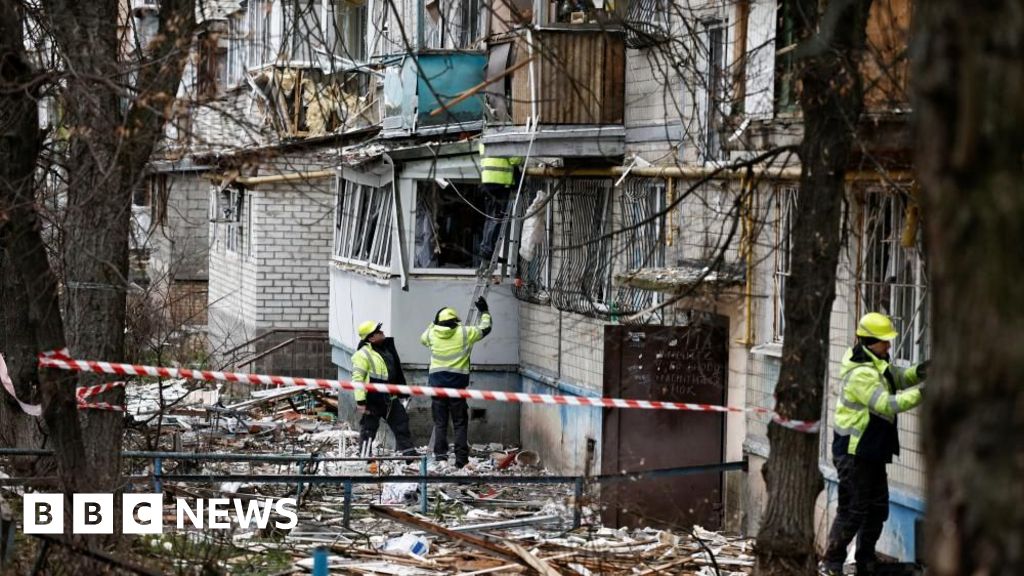
Russian forces launched a 'massive' overnight assault on multiple Ukrainian cities using more than 600 drones and 30 missiles, killing at least three civilians and striking energy infrastructure that left multiple regions near-blackout and prompted warnings of emergency power shutdowns. Kyiv reported significant damage to regional power supplies (Rivne, Ternopil, Khmelnytsky) and Polish jets scrambled to intercept strikes in western Ukraine, while Ukraine reportedly struck a petrochemical plant in Stavropol, Russia; the attacks heighten risks to Black Sea shipping after tanker strikes on Russia's 'shadow fleet.' The escalation raises near-term upside pressure on regional energy and shipping risk premia and supports potential defense-sector and energy-security plays while increasing geopolitical tail risk for markets.
Market structure: Immediate winners are defense primes (LMT, NOC, RTX) and LNG/export-focused energy majors (SHEL, EQNR) as pricing power shifts toward secure, flexible supply; losers are Ukrainian utilities, Black Sea-dependent shippers, and regional insurers. Damage to energy infrastructure + cold weather (forecast -7C) tightens European gas/power balances for 2–8 weeks and pressures spot TTF/Brent, boosting front-month crude/gas volatility by +30–60% vs. prior month. Cross-asset: expect safe-haven bid into USD, long-duration Treasuries and gold; EM and Ukrainian sovereign spreads widen, and option implied vols on energy/defense spike higher.
Risk assessment: Tail risks include escalation to NATO involvement or large-scale pipeline/port destruction that could lift Brent >$100 for >2 weeks or trigger global shipping insurance shocks; probability low (<10%) but high impact. Immediate (days) — elevated realized volatility and power outages; short-term (weeks–months) — sustained commodity price premium and order flow for defense; long-term (quarters–years) — structural EU capex to LNG, grid hardening and higher defense budgets. Hidden dependencies: winter severity, US LNG turnarounds, and insurance capacity can amplify or mute price moves. Key catalysts: sanctions escalation, successful strikes on major pipelines, OPEC+ spare capacity moves.
Trade implications: Direct plays — buy defense LEAPS (6–12m) and short-dated Brent/TTF call exposure; pair trades — long LNG-integrated majors vs. short European airlines/shippers that reprice fuel/insurance costs. Options — prefer call-spreads to be long convexity on energy and long-dated calls on defense to capture multi-month budget re-rating. Entry: act within 24–72 hours for defensive/commodity hedges; scale over 2–8 weeks as winter demand clarity and sanctions news flow resolve.
Contrarian angle: Consensus may overprice immediate supply scarcity while underpricing a medium-term reallocation to LNG and defense capex; if US/Qatar LNG fills 50–70% of European shortfall within 3–6 months, spot spikes will mean-revert and create sharp drawdowns in short-term commodity longs. Watch for oversold European energy service names and selectivity in defense (favor backlog-rich primes over small caps).
AI-powered research, real-time alerts, and portfolio analytics for institutional investors.
Request DemoOverall Sentiment
strongly negative
Sentiment Score
-0.70
