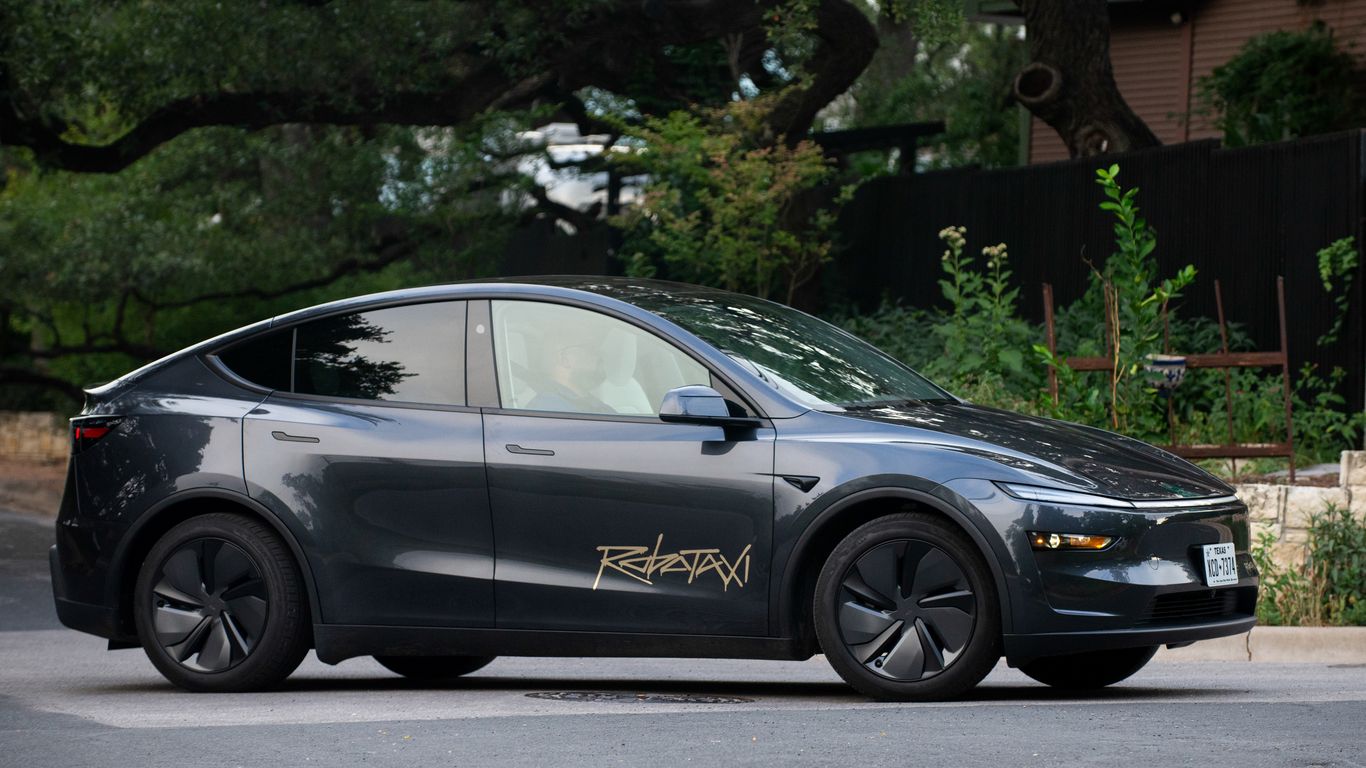
Tesla has launched a limited, geofenced robotaxi service in Austin, Texas, a critical strategic move for the company amidst declining electric vehicle sales. While CEO Elon Musk has ambitious plans for widespread autonomous vehicle adoption, this initial rollout is highly restricted, operating within specific hours and conditions with a safety monitor present. The debut places Tesla significantly behind competitors like Waymo, which has operated public driverless services since 2020 and boasts a substantially larger fleet and weekly trip volume.
Tesla has initiated a highly limited robotaxi service in Austin, representing a tangible but nascent step towards its autonomous vehicle ambitions. This strategic move is positioned as a critical new growth vector, particularly as the company contends with declining electric vehicle sales. However, the current deployment is severely constrained, operating only within geofenced areas, from 6 a.m. to midnight, and not in rainy conditions, with a human safety monitor present in the passenger seat. This cautious rollout, which CEO Elon Musk described as "super-paranoid," underscores the early stage of the technology. A direct comparison reveals Tesla is significantly lagging behind competitors; Alphabet's Waymo, for instance, launched its public driverless service in 2020 and now operates a fleet of 1,500 vehicles delivering over 250,000 paid trips weekly. The market's perception, reflected in a mildly negative sentiment score, appears to discount this launch as a minor proof-of-concept rather than an imminent commercial or technological breakthrough.
AI-powered research, real-time alerts, and portfolio analytics for institutional investors.
Request DemoOverall Sentiment
mildly negative
Sentiment Score
-0.30
Ticker Sentiment
