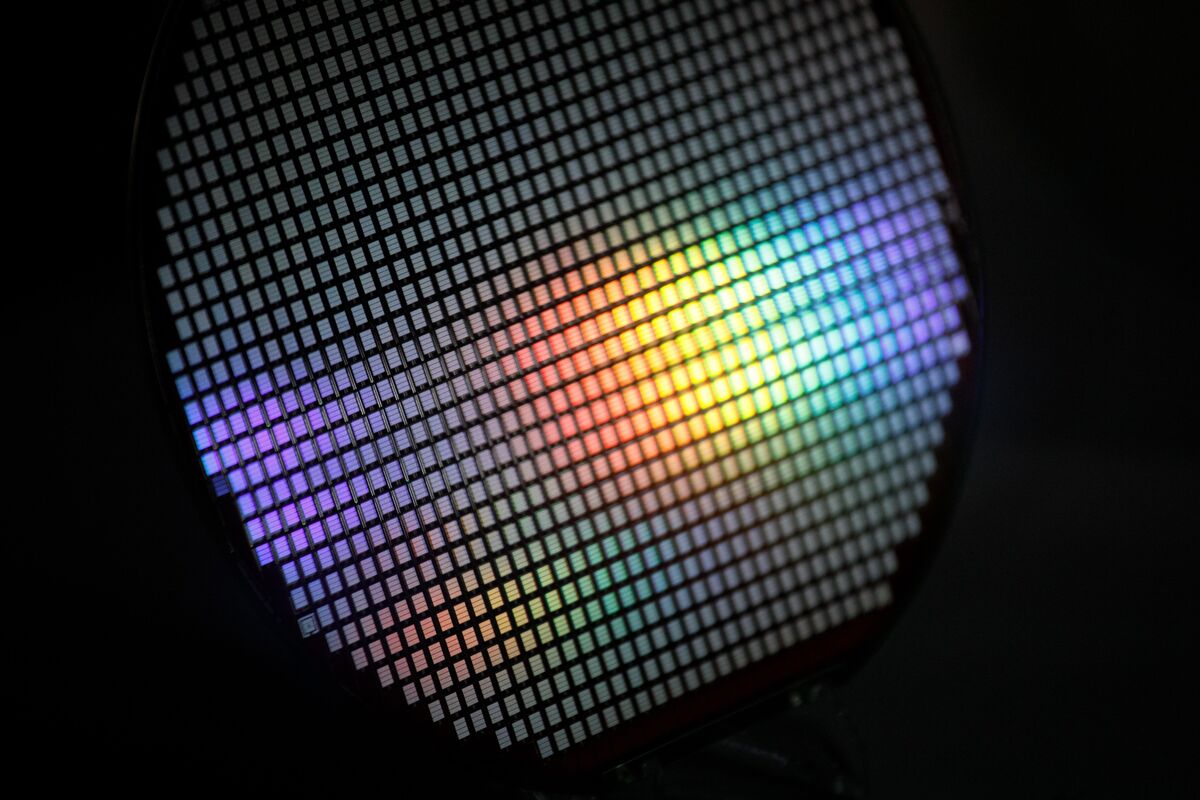
Malaysian chip firms are pausing investment and expansion plans, awaiting clarity on whether the US will extend semiconductor tariff exemptions beyond the August 1 deadline. This uncertainty, as noted by Malaysia Semiconductor Industry Association President Wong Siew Hai, underscores how US trade policy directly impacts capital allocation and future growth in critical global supply chain hubs.
Chip manufacturers in Malaysia are actively pausing investment and expansion initiatives due to significant uncertainty surrounding future US tariff policy. According to the Malaysia Semiconductor Industry Association, firms are awaiting clarity on whether the current exemption for semiconductors will be extended beyond the August 1 deadline. This hesitation directly links US trade policy to capital expenditure decisions within a critical node of the global technology supply chain. The prevailing uncertainty, reflected in a moderately negative sentiment score, creates a tangible risk to future capacity growth and operational planning for the sector, highlighting the far-reaching impact of tariff negotiations on industry-wide capital allocation.
AI-powered research, real-time alerts, and portfolio analytics for institutional investors.
Request DemoOverall Sentiment
moderately negative
Sentiment Score
-0.50
