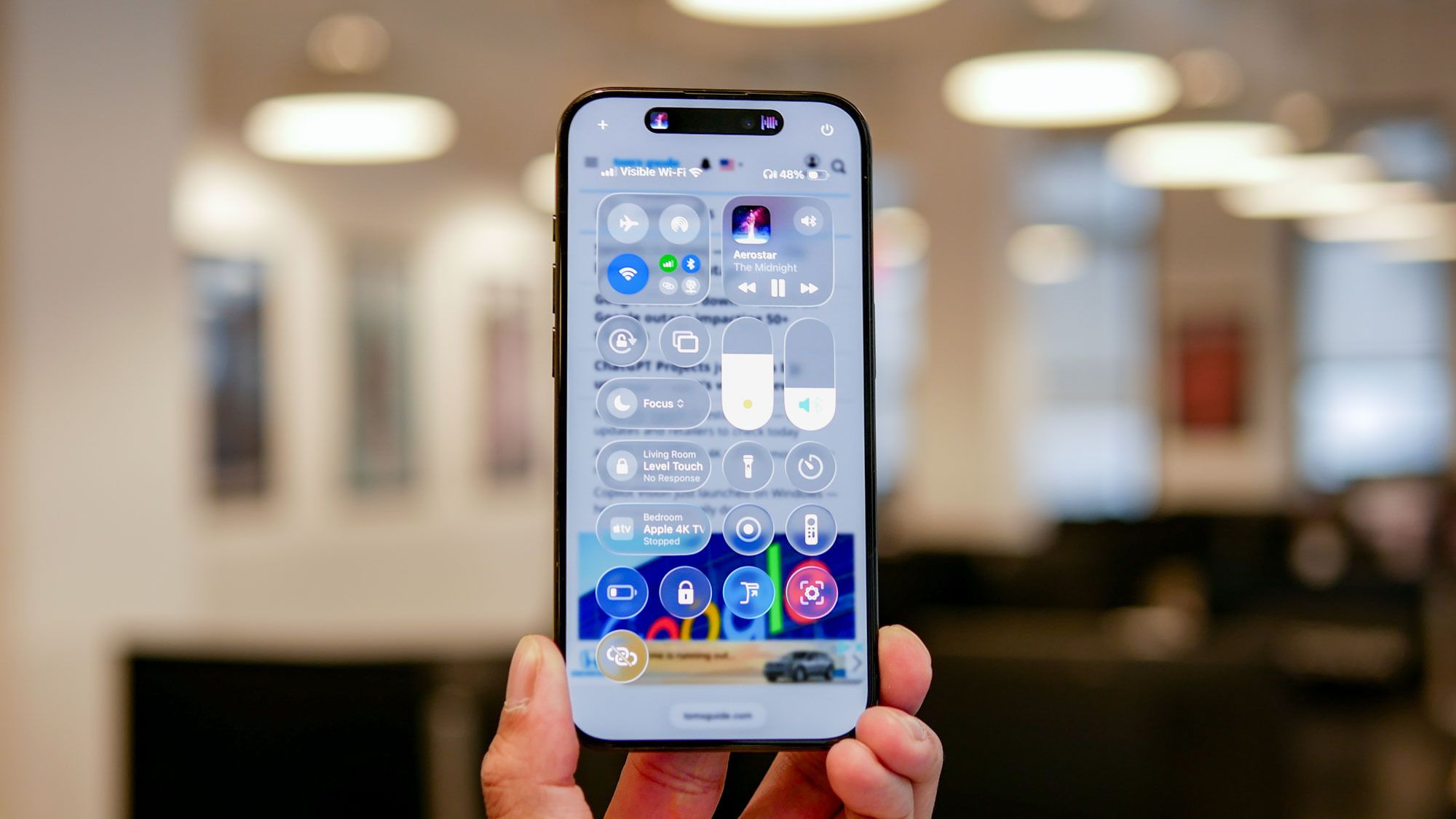
Apple's iOS 26 rollout shows unusually slow adoption (StatCounter ~16% vs TelemetryDeck >50% estimates), driven by user backlash to the new 'Liquid Glass' UI and anecdotal battery concerns. More materially, iOS 26.2 delivers 25 security patches including two actively exploited WebKit zero-days that could allow arbitrary code execution and root privilege escalation; prior updates (26.0.1 and 26.1) fixed additional critical vulnerabilities (26.1 addressed >51 flaws). The update also adds an AirDrop one-time-code feature and various bug fixes and quality-of-life changes; the security fixes are the primary driver for recommended immediate upgrades despite low near-term market-moving implications.
Market structure: Apple (AAPL) is the primary beneficiary of timely iOS security patches—fixing two WebKit zero-days and 25 other flaws materially reduces the probability of a consumer-scale breach that could dent device trust and services revenue. Slow adoption (estimates 16–50%) lengthens a vulnerability window, creating short-term demand for mobile security/MDM tools and modest upgrade friction that could shave near-term feature-driven engagement but not core lock-in.
Risk assessment: Tail risks include a widely publicized mass exploit (days–weeks) that triggers regulatory scrutiny, class-action suits or a >10% share-price gap down; conversely, rapid forced upgrades could raise support costs and temporarily compress gross margins for handset refresh cycles (quarters). Hidden dependencies: third-party app updates, enterprise MDM rollouts and AirDrop code adoption determine real-world exposure; catalysts are exploit disclosures, coordinated attacks, or a viral privacy incident within 30–90 days.
Trade implications: Tactical overweight AAPL is warranted given lower systemic risk after patches, but positions should be hedged short-dated given adoption friction—expect a 3–6 month horizon for sentiment normalization. Cybersecurity vendors (CRWD, PANW, ZS) stand to gain incremental enterprise spend on mobile protections over 6–12 months; relative-value plays can profit from Apple’s resilience vs peers if no major breach occurs.
Contrarian angle: The market underestimates the positive signaling of proactive patching—security fixes reduce long-tail liability and may bolster services pricing power over 12–18 months, meaning the Liquid Glass UX backlash is likely a transitory headwind. Historical parallels (product redesign PR cycles) suggest a 6–12 week normalization; a sharp sell-off on UX complaints would be an opportunity to add exposure to AAPL and selective cybersecurity names.
AI-powered research, real-time alerts, and portfolio analytics for institutional investors.
Request DemoOverall Sentiment
neutral
Sentiment Score
0.15
Ticker Sentiment
