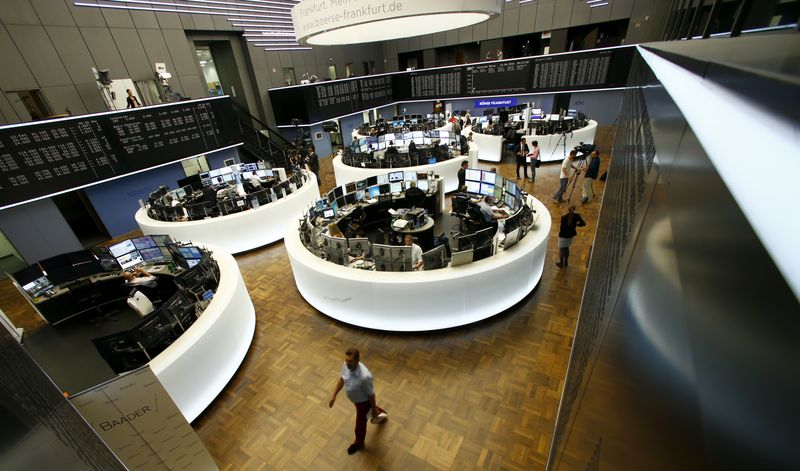
Brent crude is up ~2.9% at $109.52/bbl (had settled $112.19 on Friday) as the Strait of Hormuz faces effective closure amid escalating U.S.-Israeli strikes on Iran; fears of prolonged disruption are pushing oil and gas prices higher. Asian equities led the selloff into Europe, with the Stoxx 600 down ~1.3%, Germany's DAX -2.0% and the U.K. FTSE 100 -1.3%, while shipping/insurance disruptions threaten logistics and trade flows. The ECB warned prolonged conflict could re-ignite inflationary pressures, increasing the risk of further interest-rate action and adding to market volatility.
Shipping insurance withdrawal and route diversion create an immediate supply-side choke on seaborne energy and container flows that is asymmetric: a single tanker voyage diverted around Africa can add roughly 7–10 days and $200k–$500k in incremental bunker/fuel costs for a VLCC, mechanically doubling voyage breakevens and TCEs while reducing round-trip frequency. That makes modern, fuel-efficient tanker owners and spot-exposed charterers the highest-conviction beneficiaries in the near term (weeks–months), while legacy, fuel-inefficient vessels and contracted box carriers take the brunt.
A sustained supply shock to fossil fuels re-anchors inflation expectations in Europe and Asia and forces central banks to choose between growth and price stability; market pricing implies 30–100bp of incremental realized policy tightening risk over 3–9 months in Europe if the shock persists. That outcome steepens real yields and compresses duration — investors should expect equities with long-duration cashflows (growth and leverage-heavy industrials) to suffer before commodity-linked cash flows reprice.
Second-order corporate dynamics matter: LNG exporters with spare liquefaction capacity and short-cycle U.S. shale that can bid barrels back into the market benefit structurally, but capex lags mean meaningful supply response takes quarters. Conversely, airlines, integrators, and container liners face immediate margin collapse from higher fuel and rerouting costs plus insurance spikes; this can trigger working-capital squeezes and forced equity issuance in 1–3 quarters, amplifying downside for the sector. The consensus currently underestimates how sticky shipping tightness is relative to crude prices: energy prices can correct on demand shock, but physical transport constraints are slower to resolve and therefore create a longer window for shipping/tanker plays.
AI-powered research, real-time alerts, and portfolio analytics for institutional investors.
Request DemoOverall Sentiment
strongly negative
Sentiment Score
-0.60
