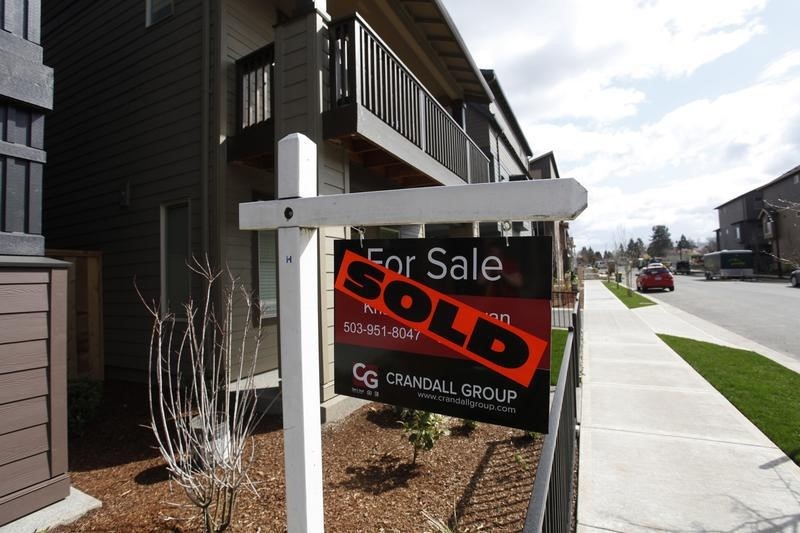
AvalonBay Communities and Equity Residential are reportedly in preliminary talks over a potential merger that could become one of the largest real estate deals in the sector. The transaction is not certain, with structure and timing still under consideration, but any tie-up would be significant for U.S. apartment markets and institutional real estate investors. The news is positive for potential strategic value creation, though the early stage of discussions keeps the immediate impact limited.
This is less a simple “landlord merger” than a forced re-rating of the entire public multifamily cohort. If the market starts assigning any probability to a top-tier REIT combination, the first-order winner is not just the two names involved but the rest of the apartment complex: peers with similar coastal exposure can trade on scarcity value, while private-capital owners may face a tighter acquisition funnel and cheaper public-to-public consolidation becomes a more credible exit route. The second-order effect is on cap-rate perception — a larger, better-diversified platform can finance at a small cost-of-capital advantage, which matters more than near-term synergies in a high-rate environment. The main risk is timing: early-stage talks can still create a dead period where the stocks drift on speculation, and that setup often favors option structures over cash equity. Over the next few weeks, the key catalyst is whether either company issues unusually careful language around capital allocation, asset sales, or external growth; any hint of “disciplined” portfolio optimization would be the market’s tell that bankers are active. If the discussion fades, both names can give back most of the rumor premium quickly because the strategic logic is plausible but not yet monetized. Contrarianly, the market may be underestimating antitrust and governance friction more than synergy value. A merger of two dominant coastal apartment owners could invite scrutiny over localized market concentration even if the national market share looks modest, and that can stretch the timeline into months rather than weeks. The better trade may therefore be to own the convexity of a deal while fading the assumption that it closes cleanly; if it does fail, the standalone discount likely reasserts before any broader sector re-rating fully develops.
AI-powered research, real-time alerts, and portfolio analytics for institutional investors.
Overall Sentiment
neutral
Sentiment Score
0.15
Ticker Sentiment
