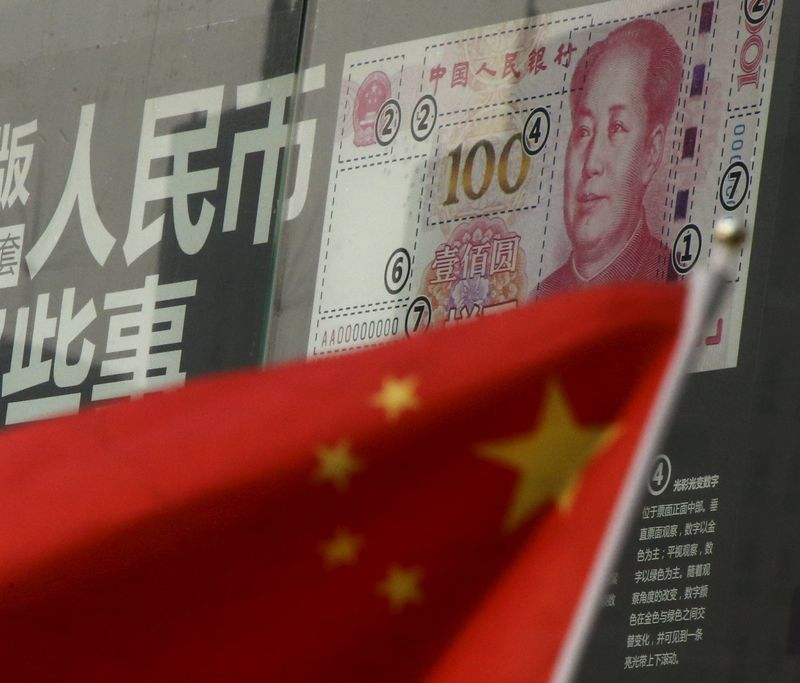
Asian markets presented a mixed picture: China's central bank maintained benchmark rates as expected, contributing to a stable yuan amidst easing trade tensions. In Japan, the ruling coalition's loss of an upper house majority introduced political uncertainty that could impact fiscal and trade policies, though the Prime Minister's decision to remain in office mitigated immediate concerns; the yen saw a modest gain on Bank of Japan rate hike expectations, tempered by ongoing US tariff uncertainties. Broader Asian currencies showed marginal movements, reflecting cautious sentiment.
Asian currency markets are exhibiting a subdued and cautious tone, primarily influenced by ongoing uncertainty surrounding U.S. trade policy. In China, the People's Bank of China (PBOC) maintained its benchmark loan prime rate at historic lows, a widely anticipated move that followed stronger-than-expected second-quarter GDP data and has contributed to the stability of both the onshore and offshore yuan. Meanwhile, Japan is facing increased domestic political uncertainty after the ruling coalition, led by Prime Minister Shigeru Ishiba, lost its majority in the upper house election. While this outcome could complicate future fiscal policy and tariff negotiations with the U.S., the Prime Minister’s decision to remain in office has mitigated immediate investor concerns. The Japanese yen (USD/JPY) strengthened marginally by 0.2%, supported by expectations of a future Bank of Japan rate hike, though analysts at ING suggest any such action is contingent on the resolution of U.S. tariff issues ahead of the August 1 deadline. The broader market reflects this cautious sentiment, with other regional currencies like the South Korean won and Australian dollar showing only marginal movements.
AI-powered research, real-time alerts, and portfolio analytics for institutional investors.
Overall Sentiment
mixed
Sentiment Score
0.00
Ticker Sentiment
